What Is a Slide Out Range Hood? A Helpful Guide
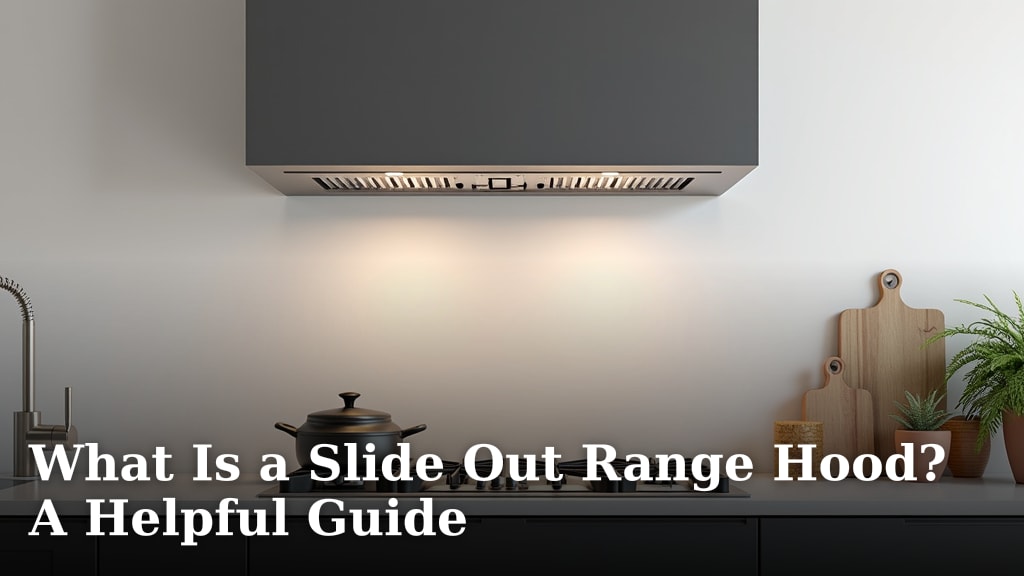
A slide out range hood is a type of kitchen vent hood that you can pull out, or slide out, to increase its capture area when you’re cooking. This means it can grab more smoke and grease, especially from larger pots or multiple burners. It’s a smart choice for kitchens where you need flexible ventilation.
Unlike standard hoods that stay fixed, a slide out model offers a practical solution for active cooks. It helps keep your kitchen air cleaner and your cabinets grease-free. We found these hoods are great for making sure you get the best possible airflow.
- Slide out range hoods pull out to cover a wider area.
- They capture more smoke and grease from your cooking.
- This makes them ideal for busy kitchens.
- They help keep your kitchen air cleaner.
- Enjoy better ventilation when you need it most.
Let’s take a closer look at what makes a slide out range hood a great addition to your kitchen setup.
Understanding Your Slide Out Range Hood
A slide out range hood is designed to offer you more ventilation power when you need it most. Think of it like an accordion for air. When you’re not cooking, it stays tucked away neatly. But when you start to cook, especially with multiple burners or larger pots, you can simply pull it out.
This pulling action, or sliding, extends the hood’s surface area. This means it can effectively capture more smoke, steam, and grease from your stovetop. It’s a smart design for kitchens that see a lot of action. We found that this added flexibility is a real game-changer for keeping your kitchen air fresh.
How Does a Slide Out Hood Work?
The core idea is simple: expansion. These hoods have a telescoping or sliding mechanism. You manually extend the front part of the hood over your cooktop. This extension increases the size of the area the fan can draw air from. It’s like giving the hood a bigger mouth to eat up cooking fumes.
When you’re done cooking, you just push the extended section back in. It then blends in with your cabinetry or the rest of the hood structure. This provides a clean, streamlined look. We found that the operation is usually very smooth and intuitive.
Why Choose a Slide Out Hood? The Benefits Explained
The main advantage is enhanced capture efficiency. When you slide it out, the hood covers more of your cooktop surface. This is especially helpful for larger ranges or when you’re using multiple burners at once. More coverage means less cooking odor and grease escaping into your kitchen.
Another key benefit is space-saving design. Because the hood retracts, it doesn’t stick out as far when not in use. This can make your kitchen feel more open and less cluttered. It’s a great solution if you have a smaller kitchen or simply prefer a minimalist aesthetic.
Many slide out hoods also come with modern features. You’ll often find quiet fan operation, powerful suction levels, and good lighting for your cooktop. We found that the technology packed into these compact units is quite impressive.
Improved Air Quality
By capturing more cooking byproducts, slide out hoods significantly improve your kitchen’s air quality. This means less lingering smells and less grease settling on your cabinets and walls. Good ventilation is important for a healthy home environment. Many health organizations suggest good ventilation can reduce airborne particles (CDC).
Aesthetic Flexibility
Slide out hoods offer a versatile look. When retracted, they can be nearly invisible, especially if they are designed to match your cabinetry. This allows your kitchen design to take center stage. When extended, they provide functional ventilation without being an eyesore. We found that this adaptability is highly prized by homeowners.
Types of Slide Out Range Hoods
Slide out range hoods primarily fall into two categories based on how they vent air. Understanding these options will help you choose the best fit for your kitchen setup and venting capabilities.
Ducted Slide Out Hoods
These are the most effective type of range hood. Ducted models connect to ductwork that runs through your walls or ceiling. This ductwork then vents the air and any captured grease particles outside your home. It’s like giving cooking fumes their own exit door.
The main advantage here is superior performance. By expelling air outside, they remove odors, smoke, and grease completely from your living space. Many building codes recommend or require ducted ventilation for cooktops (local building codes vary).
Pros of Ducted Systems
- Removes all smoke, grease, and odors from your home.
- Generally more powerful suction than ductless models.
- Contributes to a cleaner, healthier indoor air environment.
Cons of Ducted Systems
- Requires existing ductwork or professional installation of ductwork.
- Installation can be more complex and costly.
- You lose heated or cooled air from your home, which can affect energy bills.
Ductless (Recirculating) Slide Out Hoods
Ductless models, also known as recirculating hoods, do not vent air outside. Instead, they pull air through a series of filters, typically including a charcoal filter. These filters trap grease and odors. The cleaned air is then blown back into your kitchen.
This type is a good option when installing external ductwork is not possible or is too expensive. It’s a convenient choice for apartments, condos, or older homes with challenging layouts. We found that while less effective than ducted, they still offer some benefit.
Pros of Ductless Systems
- Easy to install, no ductwork needed.
- Less expensive to purchase and install.
- Retains conditioned air in your home, potentially saving on energy costs.
Cons of Ductless Systems
- Less effective at removing smoke and odors compared to ducted hoods.
- Requires regular replacement of charcoal filters to maintain performance.
- Can push moist air back into the kitchen, potentially contributing to humidity.
Key Features to Look For in a Slide Out Hood
When you’re shopping for a slide out range hood, several features can make a big difference in your satisfaction. Think about what’s most important for your cooking habits and kitchen environment.
Size and Fit
Measure your cooktop width carefully. Slide out hoods are typically designed to fit standard cabinet openings. You’ll often find them in 24, 30, or 36 inches wide. Ensure the hood you choose will adequately cover all your burners when extended.
Consider the depth of the hood as well. When retracted, it should sit flush or nearly flush with your cabinet front. When extended, it needs to reach far enough to capture steam and smoke effectively. We found that a good fit makes the hood look integrated into your kitchen design.
Fan Power (CFM)
CFM stands for Cubic Feet per Minute. This measures how much air the hood can move. For effective ventilation, especially if you do a lot of frying or searing, you’ll want a higher CFM. A general guideline suggests at least 100 CFM per linear foot of cooktop, but consult your cooktop manufacturer’s recommendations (many appliance manufacturers provide this data).
For electric cooktops, aim for 300-400 CFM. For gas cooktops, which produce more heat and fumes, you might need 400-600 CFM or even higher. We found that underpowered hoods can leave your kitchen smelling smoky after a meal.
Noise Level (Sones)
Range hoods can be noisy. Look for the sone rating, which measures sound. The lower the sone number, the quieter the fan. A sone rating of 3 or less is generally considered quiet. Some higher-end models offer variable speed settings, so you can use a lower speed and quieter operation for light cooking.
It’s a balance between power and noise. You want a hood that can move a lot of air without sounding like a jet engine. We found that many manufacturers now list both CFM and sone ratings, which is very helpful for consumers.
Lighting
Good lighting over your cooktop is essential for safe and enjoyable cooking. Most slide out hoods come with built-in lights. Check the type of bulbs used (LED is common and energy-efficient) and their brightness. Some models offer adjustable lighting levels.
Filters and Cleaning
For ducted hoods, you’ll have metal mesh filters that capture grease. These are usually dishwasher safe, making cleaning relatively easy. For ductless hoods, you’ll have grease filters and charcoal filters. The charcoal filters cannot be cleaned and must be replaced periodically.
Check how easy it is to access and clean these filters. A hood that’s difficult to maintain might end up not being used as much. We found that simple maintenance routines encourage consistent use, leading to a cleaner kitchen.
Installation Considerations
Installing a range hood, especially a ducted one, can be a DIY project for some, but it often requires professional help. Consider these points before you buy.
Cabinetry Requirements
Slide out hoods are typically designed to be installed under a cabinet. They often have a specific cabinet opening size they fit into. You’ll need to ensure your existing cabinets can accommodate the hood’s dimensions, both retracted and extended.
Venting Path (for Ducted Hoods)
If you opt for a ducted model, you need a clear path for the ductwork from the hood to the outside of your home. This often involves cutting through walls or ceilings. The length and complexity of the venting path can affect the hood’s performance and the installation cost.
Many experts recommend the shortest, straightest duct run possible for optimal airflow. Sharp turns can reduce efficiency. We found that consulting with an installer early can save you a lot of headaches.
Making the Right Choice for Your Kitchen
Choosing a slide out range hood comes down to your cooking style, your kitchen’s layout, and your budget. They offer a practical way to get effective ventilation without sacrificing aesthetics.
Think about how often you cook, what types of meals you prepare, and whether you have the option for external ducting. By considering these factors, you can select a slide out hood that will serve your kitchen well for years to come.
Quick Checklist for Slide Out Hoods:
- Confirm your cooktop width for proper hood size.
- Decide between ducted (best for performance) or ductless (easiest install).
- Check the CFM rating for your cooking needs.
- Look at the sone rating for noise level.
- Consider ease of cleaning filters and lighting quality.
Conclusion
A slide out range hood offers a fantastic blend of performance and discretion for your kitchen. You gain the flexibility to expand ventilation coverage precisely when you need it, tackling everything from quick sautés to hearty stews. Whether you choose a ducted system for maximum air cleaning or a ductless one for easier installation, these hoods help keep your air fresh and your kitchen cleaner. Take a moment to measure your space and consider your cooking habits. Then, you can confidently select a slide out hood that perfectly suits your home.
Frequently Asked Questions
Are slide out range hoods really better than regular ones?
Slide out hoods offer enhanced capture efficiency because they extend over your cooktop. This means they can grab more smoke and grease, especially from larger pots. For active cooks, this extra coverage makes a noticeable difference in keeping your kitchen air clean.
Do I need ductwork for a slide out range hood?
Not necessarily. Slide out range hoods come in both ducted and ductless (recirculating) versions. Ducted models vent air outside, which is most effective. Ductless models filter the air and return it to the kitchen, and are a good option if ductwork isn’t feasible.
How do I know what size slide out hood to buy?
You should measure your cooktop’s width carefully. Slide out hoods are typically designed to match standard cabinet widths, often found in 24, 30, or 36 inches. Ensure the hood will cover all your burners when fully extended.
Are slide out range hoods difficult to clean?
Cleaning is generally straightforward. For ducted hoods, metal mesh filters are usually dishwasher safe. For ductless hoods, you’ll need to replace charcoal filters periodically, but the grease filters are often cleaned the same way. Ease of access for cleaning is a feature worth looking for.
Can a slide out range hood help with kitchen smells?
Yes, a slide out range hood can significantly reduce cooking smells. By capturing smoke and grease more effectively, especially when extended, it prevents these odors from lingering in your kitchen and home. Ducted models are particularly good at removing smells entirely.