What Is a Retractable Range Hood? The Essentials
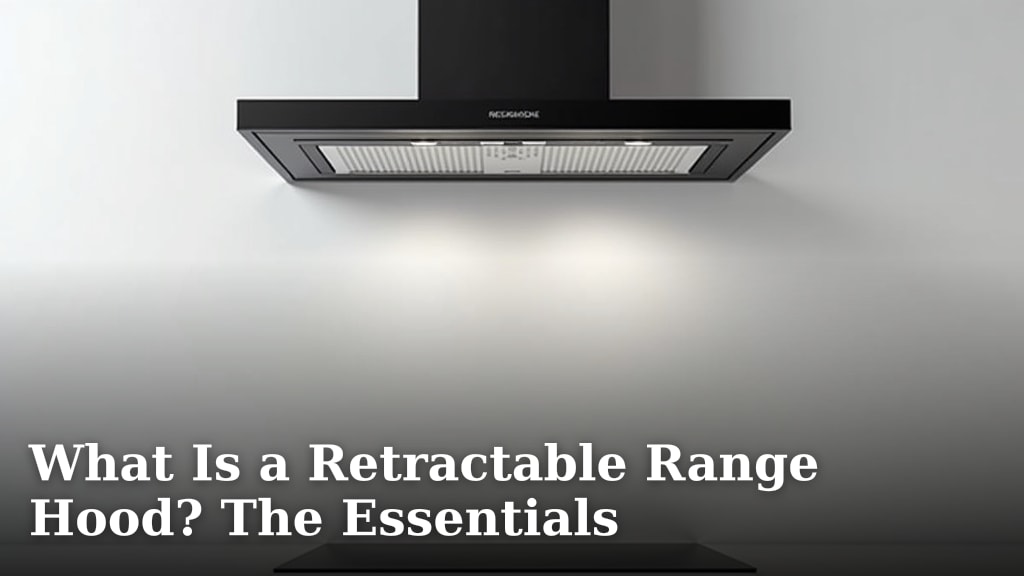
A retractable range hood is a ventilation appliance that A retractable range hood is a ventilation appliance that hides away when not in use.hides away when not in use. It pulls out from under your cabinets to capture cooking fumes. This design is perfect for kitchens where you want a clean, uncluttered look. You get powerful ventilation without the hood always being visible.
Many homeowners choose retractable hoods for their kitchen remodels. They offer a great blend of practicality and modern style. Unlike traditional hoods, they help maintain an open feel. They are a smart choice for smaller kitchens or those aiming for a minimalist aesthetic. We found these hoods to be a popular solution.
- Retractable range hoods pull out for use.
- They hide under cabinets when not needed.
- They help create a clean, modern kitchen look.
- This design is ideal for smaller or minimalist kitchens.
- They provide effective ventilation without constant visibility.
So, what exactly makes these hoods so appealing? We’re going to break down the essentials of retractable range hoods, from how they work to what you should consider before buying one.
Understanding Retractable Range Hoods: The Basics
So, you’re curious about retractable range hoods. These clever appliances offer a way to ventilate your kitchen without a bulky hood always in view. They tuck away neatly. This means you get the fresh air you need during cooking. You also get a cleaner, more minimalist look when you’re done. We found they are a popular choice for modern kitchens.
How Does a Retractable Range Hood Work?
The magic of a retractable range hood lies in its sliding mechanism. When you’re ready to cook, you simply pull it out from under your cabinetry. This action activates the fan and lights. Think of it like a drawer for your kitchen. It slides out when needed and slides back in when not. This design keeps your upper cabinets free and clear.
The Pull-Out Action
Most retractable hoods have a front panel that you grasp. A gentle pull extends the ventilation system. This pull-out section typically houses the filters and sometimes additional lighting. It’s designed to maximize the capture area for smoke and grease. We’ve seen models that extend quite a bit. This helps grab more of those cooking fumes.
Ducting Options: Recirculating vs. Vented
Just like other range hoods, retractable models come with ducting choices. You can get a vented hood. This pushes air outside your home. Or, you can opt for a recirculating model. This filters the air and sends it back into the kitchen. Vented hoods are generally more effective at removing odors and moisture. Recirculating hoods are easier to install. They don’t require an exterior vent. Many experts suggest vented is better for heavy cooking (National Kitchen & Bath Association).
Vented (Ducted) Systems
Vented systems connect to ductwork. This ductwork runs through your walls or ceiling. It leads to an exterior vent cap. This is the most effective way to clear your kitchen air. It removes smoke, grease, and odors completely. Proper installation is key for these systems to work well.
Recirculating (Ductless) Systems
Recirculating hoods use filters. These filters, often charcoal, trap particles and odors. The cleaned air then returns to your kitchen. While simpler to install, they don’t remove moisture. Filters need regular replacement. We found that they are a good solution if venting isn’t possible.
Key Features to Look For
When you’re shopping for a retractable hood, several features stand out. Think about the power of the fan. Consider the types of filters. And don’t forget about lighting. These elements all contribute to how well the hood performs. We’ve highlighted the most important ones below.
Fan Power and Speed Settings
The fan’s power is measured in CFM (cubic feet per minute). Higher CFM means more air movement. For most everyday cooking, 150-250 CFM is often sufficient. If you do a lot of high-heat cooking, like stir-frying or searing, you might need 400 CFM or more. Many retractable hoods offer multiple fan speeds. This lets you adjust the power to your needs. We recommend matching the CFM to your cooktop type and cooking habits.
Filter Types and Maintenance
Filters are essential for capturing grease. Most retractable hoods use baffle filters or mesh filters. Baffle filters are often made of stainless steel. They are very effective at trapping grease. Mesh filters are usually aluminum. Both types are typically dishwasher-safe. This makes cleaning them much easier. Check how easy it is to remove and clean the filters. This is a regular maintenance task.
Lighting Options
Good lighting over your cooktop is a must. Retractable hoods usually have built-in lights. Many offer LED lighting. LEDs are energy-efficient. They also provide bright, clear light. Some models have different light settings. This can include dimming features. You want lighting that illuminates your cooking area well.
Advantages of a Retractable Range Hood
Why choose a retractable hood? The benefits are clear for many homeowners. The main draw is its discreet design. It keeps your kitchen looking sleek and uncluttered. This is especially appealing in open-concept layouts. It also helps maintain a sense of spaciousness. We’ve heard from many people who love the clean lines it provides.
Aesthetic Appeal
The primary advantage is the visual appeal. When retracted, the hood is almost invisible. It blends into your cabinetry. This contributes to a modern, minimalist kitchen aesthetic. You don’t have a large appliance dominating your wall space. It’s a fantastic solution if you prefer a less is more approach to kitchen design.
Space Saving
Because they hide away, retractable hoods can make a kitchen feel larger. They don’t visually take up as much space as a traditional hood. This is particularly beneficial in smaller kitchens. You get the ventilation you need without sacrificing the feeling of openness. It’s like having your cake and eating it too.
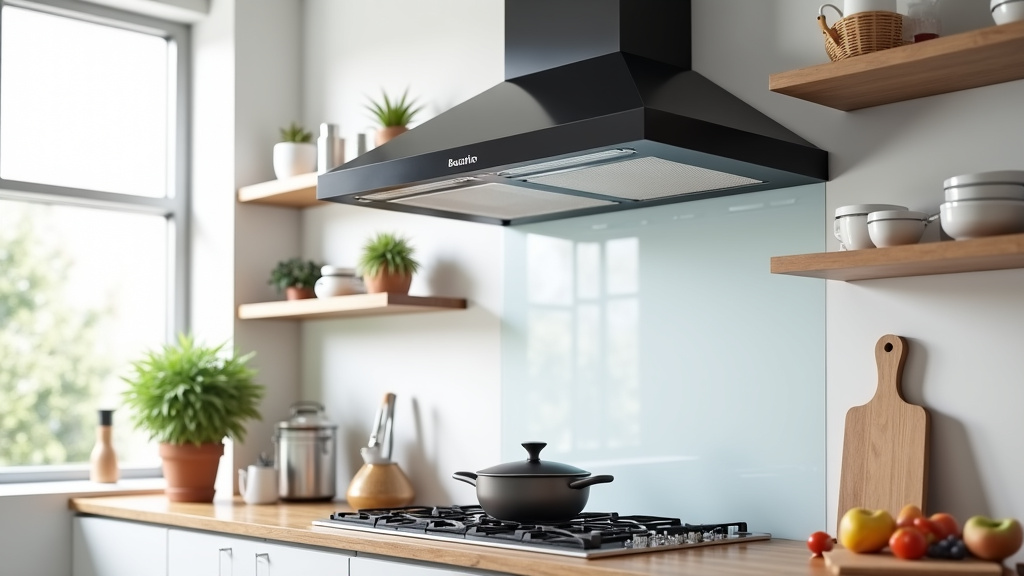
Potential Downsides to Consider
While retractable hoods offer many benefits, they aren’t perfect for everyone. It’s important to weigh the pros and cons. Some models can be more expensive than traditional hoods. Installation might also be a bit more complex. And as we touched on, recirculating models have limitations.
Cost and Installation Complexity
Retractable hoods often come with a higher price tag. The advanced mechanism adds to the manufacturing cost. Installation can also be trickier. It requires careful fitting under cabinetry. You might need professional help. This can add to the overall expense. We found that it’s good to budget for potential installation costs.
Limited CFM and Capture Area
Because of their compact design when retracted, some retractable hoods may have lower CFM ratings. This can affect their ability to clear the air quickly. The pull-out section does expand the capture area. However, it might not be as broad as some traditional canopy hoods. This could be a factor if you cook very messy foods regularly. Many experts suggest ensuring the CFM meets your cooking needs (Association of Home Appliance Manufacturers).
Retractable Range Hood Checklist
Before you make a decision, consider these points. This checklist can help you evaluate your options:
- Desired CFM: Match fan power to your cooking style.
- Vented or Recirculating: Decide which system works best for your home.
- Filter Type: Look for easy-to-clean, effective filters.
- Noise Level: Check reviews for decibel ratings.
- Lighting: Ensure adequate and pleasant lighting.
- Budget: Factor in both the unit cost and potential installation fees.
Comparing Retractable Hoods to Other Styles
It’s helpful to see how retractable hoods stack up. This comparison can clarify why you might choose one over another.
| Feature | Retractable Hood | Under-Cabinet Hood | Wall-Mount Hood | Downdraft Hood |
|---|---|---|---|---|
| Visibility | Hides away when not in use | Visible under cabinets | Prominent on wall | Concealed behind cooktop |
| Aesthetic | Minimalist, clean look | Functional, can be sleek | Statement piece | Modern, minimalist |
| Installation | Can be complex | Generally straightforward | Requires wall mounting | Requires specialized cooktop/ductwork |
| Performance | Good, depends on CFM | Good, depends on CFM | Often highest CFM, good capture | Varies, can be less effective |
| Cost | Mid to High | Low to Mid | Mid to High | High |
As you can see, each hood type offers unique advantages. The best choice depends on your kitchen’s layout and your personal preferences. We found that retractable hoods really shine when maintaining a clean visual line is the top priority.
Conclusion
You’ve learned that a retractable range hood offers a fantastic way to blend powerful kitchen ventilation with a sleek, minimalist aesthetic. These hoods pull out for use, capturing cooking fumes, and then disappear back under your cabinets. This design is perfect for achieving that clean, uncluttered look many homeowners desire, especially in smaller kitchens or open-plan living spaces. By understanding their operation, ducting options, and key features like fan power and filters, you can make an informed choice. If a tidy, modern kitchen is your goal, a retractable hood is definitely worth your consideration.
Your next step is to measure your cabinet space carefully and compare the CFM requirements for your cooktop and cooking habits to the models you’re considering.
Frequently Asked Questions
Are retractable range hoods as effective as traditional ones?
Retractable hoods can be very effective, especially those with a high CFM rating and a vented system. We found that their effectiveness largely depends on matching the fan power to your cooking needs. When fully extended, they provide a good capture area for smoke and grease.
Do I need special cabinets for a retractable range hood?
You’ll typically need a space beneath your upper cabinets where the hood can be installed and then retract into. Most are designed to fit standard under-cabinet configurations, but precise measurements are essential. We recommend checking the manufacturer’s specifications for clearance requirements.
How often do I need to clean the filters on a retractable hood?
Filter cleaning frequency depends on how often you cook and what you cook. For most users, we found that cleaning mesh or baffle filters every 1-3 months is a good starting point. Many are dishwasher-safe, making maintenance simpler.
Can a retractable range hood be used in a recirculating setup if I can’t vent outside?
Yes, many retractable range hoods are available in recirculating (ductless) models. These use charcoal filters to clean the air before returning it to your kitchen. While easier to install, remember these filters need regular replacement and don’t remove moisture.
Are retractable range hoods difficult to install?
Installation can be more involved than a standard under-cabinet hood due to the retractable mechanism. It requires careful fitting under the cabinetry. While some DIYers manage it, we often suggest budgeting for professional installation to ensure it’s done correctly and safely.