What Is a Recirculating Range Hood? A Down-to-Earth Guide
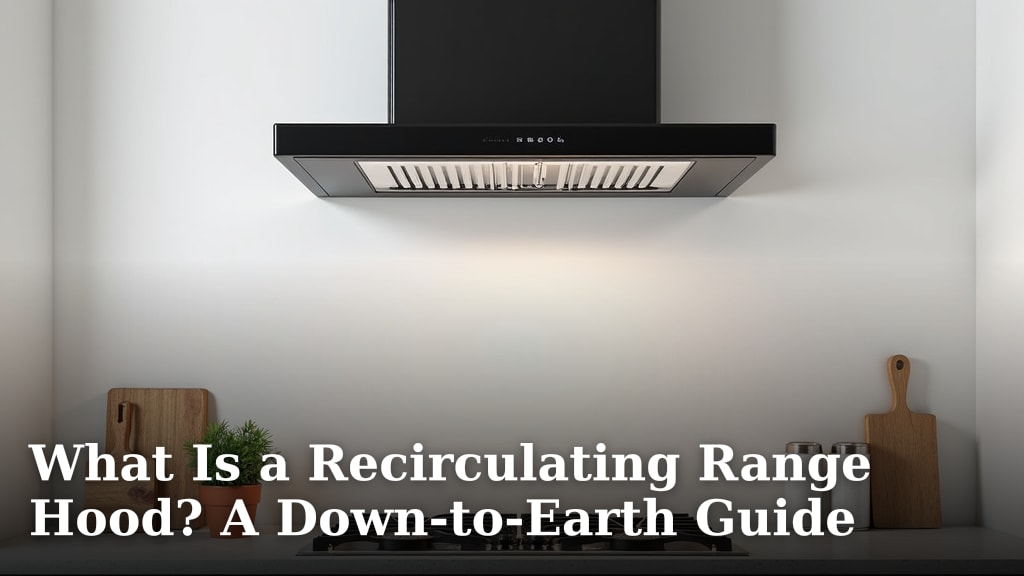
A recirculating range hood is a kitchen ventilation system that filters air and sends it back into your kitchen. It does this by using filters, typically charcoal, to remove odors and grease. Unlike ducted hoods, they don’t vent air outside your home, making them a simpler installation option for many kitchens.
These hoods are a great choice when ductwork to the outside is difficult or impossible. They help keep your kitchen air cleaner by capturing smoke and cooking smells. Many modern designs are also quite effective and energy-efficient, offering a practical solution for everyday cooking.
- A recirculating range hood cleans kitchen air and sends it back into the room.
- It uses filters, like charcoal, to trap odors and grease.
- These are simpler to install than vented hoods.
- They don’t need ductwork running to the outside.
- A good choice when outside venting isn’t feasible.
We found that understanding how these hoods work can really help you choose the right one for your kitchen. Let’s walk through exactly what a recirculating range hood is and how it can benefit your cooking space.
How Recirculating Range Hoods Work for Your Kitchen
So, what exactly is a recirculating range hood and how does it keep your kitchen air fresh?
Think of it like a kitchen’s own air purifier. It doesn’t send smoke and smells outside. Instead, it captures them, cleans the air, and then releases it back into your kitchen. It’s a clever system designed for convenience and situations where outside venting isn’t easy.
The Filter System: Capturing Kitchen Messes
The magic behind a recirculating hood is its filtration system. This is what separates it from a traditional ducted hood. Most recirculating hoods use a combination of filters to do their job.
Grease Filters: The First Line of Defense
First, the air passes through a grease filter. These are usually made of metal or mesh. Their main job is to trap cooking grease and oil particles. This prevents them from building up inside the hood. You’ll typically need to clean these grease filters regularly. Some can be washed by hand, while others are dishwasher-safe. Checking your hood’s manual is key here.
Carbon Filters: Tackling Odors and Smoke
After the grease is caught, the air moves on to the charcoal or carbon filters. These are where the real odor-fighting happens. Activated charcoal is highly porous, meaning it has a lot of tiny holes. These holes trap odor molecules and smoke particles. This is similar to how activated charcoal is used in water filters or air purifiers. These carbon filters are usually not washable. You’ll need to replace them periodically. How often depends on how much you cook and what you cook. A good rule of thumb is to replace them every 3 to 6 months for optimal performance.
The Airflow: In and Out (But Mostly In!)
Once the air has been filtered, the fan in the range hood blows it back into your kitchen. This means the air doesn’t leave your home. It’s a closed-loop system. The fan’s power, measured in Cubic Feet per Minute (CFM), determines how quickly it can pull air through the filters. Even though it’s not venting outside, a good CFM rating is still important for effective air cleaning.
When Is a Recirculating Range Hood the Right Choice?
You might be wondering if this type of hood is the best fit for your kitchen. Let’s break down the common scenarios where a recirculating model shines.
When Ductwork Is a No-Go
The biggest reason people choose recirculating hoods is the lack of existing ductwork. Running ductwork through walls, ceilings, and floors can be a major renovation project. It can be expensive and intrusive. If you live in an apartment, condo, or a home where drilling holes isn’t an option, a recirculating hood is often your most practical solution. You get the benefit of ventilation without the hassle and cost of venting to the outside.
Ease of Installation: A DIY Dream?
Because they don’t need external duct connections, these hoods are generally much easier to install. For many homeowners, this can mean significant savings on professional installation costs. If you’re comfortable with basic electrical wiring and mounting, you might even be able to install one yourself. Always follow manufacturer instructions and local building codes, of course.
Specific Kitchen Layouts and Needs
Sometimes, your kitchen layout itself makes external venting difficult. Think about kitchens with sloped ceilings, limited wall space, or those located in the middle of a house. In these cases, a recirculating hood offers a clean and effective ventilation option. You still get the benefits of reduced odors and grease in the air.
Recirculating vs. Vented Hoods: What’s the Difference?
It’s helpful to see how recirculating hoods stack up against their vented counterparts. Both have their place, and understanding the differences helps you make an informed decision.
How Vented Hoods Work
Vented range hoods, also known as ducted hoods, do exactly what their name suggests. They connect to ductwork that runs to the outside of your home. A fan pulls cooking fumes, smoke, grease, and odors and expels them outdoors. This method is generally considered the most effective way to remove airborne pollutants from your kitchen. It prevents them from recirculating back into your living space at all.
Key Differences Summarized
Let’s look at a quick comparison:
| Feature | Recirculating Hood | Vented Hood |
|---|---|---|
| Airflow Path | Filters air and returns it to the kitchen. | Vents air directly outside through ductwork. |
| Installation | Simpler; no external ducting required. | More complex; requires ductwork installation. |
| Filter Maintenance | Requires regular replacement of carbon filters. | Primarily grease filter cleaning; no carbon filters. |
| Effectiveness (Pollutant Removal) | Good at trapping grease and odors. | Most effective at removing all airborne pollutants. |
| Cost (Installation) | Generally lower installation costs. | Higher installation costs due to ductwork. |
Pros and Cons of Recirculating Hoods
To help you weigh your options, here are the main advantages and disadvantages we found:
- Pros: Easier installation, lower upfront costs (often), ideal for apartments or homes without existing ductwork, still reduces grease and odors.
- Cons: Less effective than vented hoods at removing all airborne particles and heat, requires regular carbon filter replacement, can recirculate some moisture.
Maintaining Your Recirculating Range Hood
Keeping your recirculating range hood in good working order is essential for it to perform well. A little regular care goes a long way.
Cleaning the Grease Filters
As we mentioned, the grease filters are your first line of defense. You should check these at least once a month. If you do a lot of frying or cooking with high-fat ingredients, you might need to clean them more often. Degreased filters allow the hood to capture more grease and prevent it from entering the carbon filters.
Replacing the Carbon Filters
This is the part that recirculating hoods require that vented hoods don’t. The carbon filters are your odor fighters. Research and found that their effectiveness decreases over time. The typical recommendation is to replace them every 3 to 6 months. If you notice your kitchen air isn’t as fresh after cooking, or if you can smell your food more than usual, it’s probably time for new filters. Your hood’s manual will provide specific guidance on the type of filters you need and how to install them.
General Cleaning and Inspection
Wipe down the exterior of your hood regularly with a damp cloth and mild detergent. Check the fan blades for any buildup. Ensure the lights are working correctly. A quick visual inspection each time you clean the filters can catch minor issues before they become bigger problems.
What to Consider When Buying
Before you make a purchase, there are a few things to keep in mind to ensure you get the best recirculating range hood for your needs.
Fan Power (CFM)
Even though it’s recirculating, the fan’s power matters. A higher CFM rating means the hood can move more air. Aim for a CFM rating that’s appropriate for your cooktop size and type. Many guidelines suggest 100 CFM for every 10 inches of cooktop width. However, for recirculating hoods, you might want to consider a slightly higher CFM to compensate for the fact that air is being filtered and returned. Always check the manufacturer’s recommendations.
Noise Level (Sones)
Range hoods can be noisy. Look for information on the noise level, often measured in sones. Lower sones mean a quieter operation. This can be especially important if your kitchen is open to other living areas. We found that many modern hoods offer quieter operation, even at higher CFM settings.
Filter Type and Availability
Confirm the type of filters your hood uses and how easy they are to find and purchase. You don’t want to buy a hood only to discover the replacement carbon filters are hard to come by or are very expensive. Checking this before you buy can save you headaches down the line.
Lighting and Features
Consider the built-in lighting. Is it bright enough for your cooking tasks? Does it have adjustable settings? Some hoods also come with features like delay-off timers or filter change indicators. Think about what features would genuinely make your cooking experience better.
Are Recirculating Hoods Effective? Let’s See.
It’s a fair question: if the air isn’t going outside, how effective can it really be?
Research and found that modern recirculating range hoods, when properly maintained, can be quite effective at reducing grease and odors in the kitchen. The key is regular filter replacement. Without fresh carbon filters, the hood’s ability to capture smells diminishes significantly. For everyday cooking tasks like simmering or sautéing, they work well. For high-heat, smoke-producing activities, a vented hood would still offer superior performance.
Maximizing Performance: Your Role
Your cooking habits and how well you maintain the hood play a big role in its effectiveness. If you’re consistently cooking foods that create a lot of smoke or strong odors, you’ll need to be diligent with filter changes and possibly supplement with additional air purification. For most home cooks, though, a well-maintained recirculating hood provides a noticeable improvement in air quality.
Here’s a quick checklist to help you keep your recirculating hood working its best:
- Check and clean grease filters monthly.
- Replace carbon filters every 3-6 months.
- Wipe down the hood exterior regularly.
- Ensure fan is clear of debris.
- Test lights periodically.
- Consult your manual for specific care needs.
Conclusion
You’ve learned that a recirculating range hood is a practical ventilation solution, especially when outside venting isn’t an option. Its clever filtration system traps grease and tackles odors, returning cleaner air to your kitchen. While it requires regular filter maintenance, especially replacing carbon filters, it offers simpler installation and can significantly improve your kitchen air quality. For many homes, it’s a sensible way to manage cooking smells and grease without major renovations. Your next step is to assess your kitchen’s needs and consider a model that fits your cooking style and space.
Frequently Asked Questions
How often should I replace the carbon filters in my recirculating range hood?
You should plan to replace your carbon filters every 3 to 6 months. How often you cook and the types of food you prepare will influence this. If you notice cooking odors lingering longer, it’s a sign it’s time for a change.
Are recirculating range hoods loud?
Noise levels can vary between models. We found that many modern recirculating hoods are designed for quieter operation. Look for the “sones” rating on the product; a lower sone number means less noise.
Can a recirculating range hood remove heat from my kitchen?
Recirculating range hoods are not designed to remove heat. Their primary function is to filter grease and odors from the air. Vented hoods are more effective at removing heat along with smoke and smells.
What’s the difference between a recirculating hood and an air purifier?
While both filter air, a range hood is specifically designed to capture grease from cooking and is mounted above your cooktop. An air purifier is a standalone appliance meant for general room air filtration and doesn’t handle cooking grease.
Is it okay to wash the metal grease filters in my recirculating hood?
Yes, you can typically wash the metal grease filters. Check your owner’s manual for specific instructions. Many are dishwasher-safe or can be cleaned by hand with hot, soapy water to remove accumulated grease.