What Is a Low Profile Range Hood? What You Need to Know
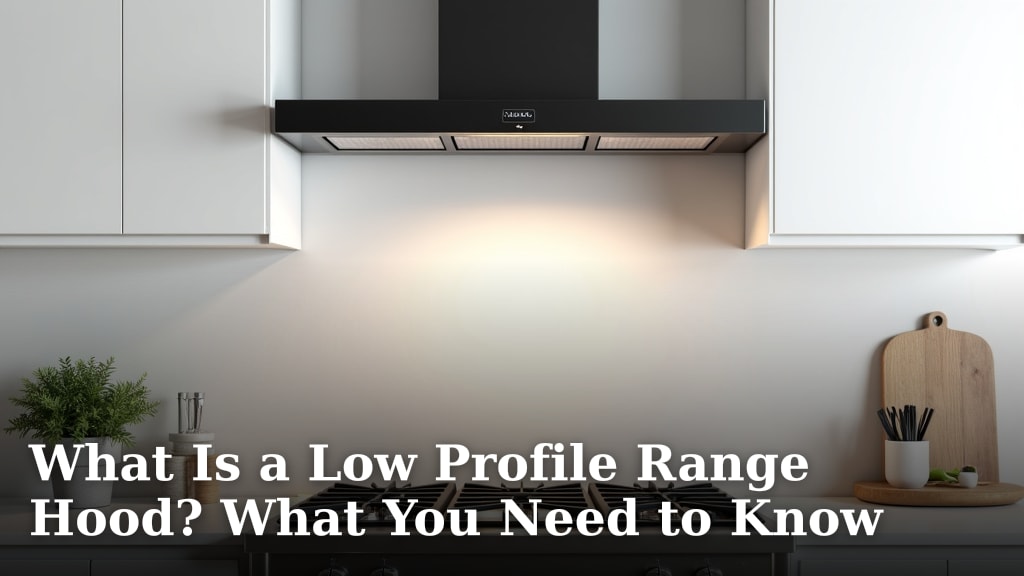
A low profile range hood is a type of kitchen ventilation system designed to be slim and compact. It sits directly above your stovetop, offering a sleek, modern look without taking up too much space. These hoods are ideal for kitchens where saving space is important, or for achieving a minimalist aesthetic.
You might be wondering how these space-saving hoods perform compared to larger models. We found that while they are more compact, they still provide effective ventilation for most common cooking tasks. They are a great choice for those who want a You might be wondering how these hoods perform compared to larger models; our guide on whether you need a range hood covers effective ventilation.functional yet unobtrusive appliance.
- A low profile range hood is a slim, compact ventilation unit.
- It’s designed to fit discreetly above your stove.
- These hoods are great for saving kitchen space.
- They offer effective ventilation for everyday cooking.
- They help keep your kitchen air clean and fresh.
So, are you ready to learn more about whether a low profile range hood is the right fit for your kitchen? Let’s go over what you need to know.
Understanding Low Profile Range Hoods
So, you’re curious about low profile range hoods. What exactly are they, and why might they be a good choice for your kitchen? We’ve looked into it, and it’s simpler than you might think. A low profile range hood is essentially a slim and shallow ventilation unit. It’s designed to hang directly over your cooktop. The main goal is to capture smoke, grease, and odors efficiently. Yet, it does so while occupying less vertical space than traditional hood models. This makes them a popular choice for kitchens where every inch counts.
What Makes a Range Hood “Low Profile”?
The key difference lies in the depth of the hood. Standard range hoods can be quite deep, extending several inches from the wall or cabinet. Low profile models are designed to be much shallower. Think of it like a sleeker, more streamlined version of a traditional hood. This design allows them to blend more subtly into your kitchen’s cabinetry. They offer a more minimalist and uncluttered look. This is especially appealing in modern kitchen designs or smaller spaces.
How Do They Work?
Like any range hood, low profile models work by drawing air away from your cooking surface. There are two main ways they do this: ducting and ductless. Ducted hoods pull the air up and vent it outside your home. This is generally the most effective method for removing airborne cooking particles. Ductless hoods, on the other hand, use filters to clean the air. They then recirculate the purified air back into the kitchen. Many low profile models can be configured for either ducting or ductless use. We found that for powerful cooking like stir-frying or searing, ducted is often preferred for better air quality. For lighter cooking, a good ductless filter system can work well.
Key Features to Consider
When you’re looking at low profile range hoods, a few specific features will help you make the best choice. It’s not just about how thin it looks. You want something that actually works well for your cooking habits. Think about what kind of cooking you do most often. This will guide you toward the right features.
Size and Dimensions
Since you’re looking at a low profile model, size is obviously a big factor. You’ll need to measure the space above your stove. Hoods come in standard widths, usually matching common stove sizes like 30 or 36 inches. Pay close attention to the hood’s depth. This is where the “low profile” aspect really comes into play. Ensure the depth is suitable for your ceiling height and cabinet layout. You don’t want it to feel too close or too far from your cooking surface. Many experts recommend the bottom of the hood be about 24-30 inches above the cooktop (National Kitchen & Bath Association).
CFM Rating (Cubic Feet per Minute)
This is perhaps the most important performance metric. CFM measures how much air the hood can move each minute. Higher CFM means more powerful ventilation. For a low profile hood, you might wonder if they sacrifice CFM for looks. We found that many still offer robust CFM ratings. A good rule of thumb is to have at least 100 CFM for every 10,000 BTUs of your cooktop’s heat output. For electric or induction cooktops, aim for around 150 CFM. If you do a lot of high-heat cooking, you’ll want to look for a higher CFM. It’s worth checking your stove’s manual for its BTU output.
Fan Speeds and Noise Levels
Most range hoods offer multiple fan speeds. This is helpful because you don’t always need the highest setting. Lower speeds are quieter and sufficient for light tasks like simmering. Higher speeds are for when you’re really cooking up a storm. Noise is often measured in sones or decibels (dB). Lower numbers mean a quieter fan. We found that some low profile models can be surprisingly quiet, even at higher settings. Reading reviews that mention noise levels can be very useful here.
Lighting
Good lighting is essential for safe and enjoyable cooking. Most low profile range hoods come with built-in lights. Look for LED lights, as they are energy-efficient and provide bright, clear illumination. Some models offer adjustable brightness or different light color temperatures. This can help you match the lighting to your kitchen’s overall ambiance. You want to be able to see what you’re doing clearly, especially when chopping vegetables or monitoring a pot.
Filters: Ducted vs. Ductless
The type of filters your hood uses is critical. For ducted systems, you’ll likely have metal mesh filters. These are designed to catch grease and can usually be washed. For ductless systems, you’ll need charcoal filters. These absorb odors. Charcoal filters need to be replaced periodically, typically every 3-6 months, depending on usage. We found that metal mesh filters are generally easier to clean and maintain long-term. However, ductless is the only option if venting outside isn’t possible.
Metal Mesh Filters
These are the most common type for ducted hoods. They are made of layers of aluminum or stainless steel. Their open weave design allows air to pass through easily while trapping grease particles. They are designed to be removed and washed. Many dishwasher-safe options exist, which makes cleaning a breeze. Keeping these clean is vital for hood efficiency and fire safety.
Charcoal Filters
Used in ductless recirculating systems, charcoal filters are your primary defense against odors. The porous nature of activated charcoal traps odor molecules. Unlike metal filters, charcoal filters cannot be cleaned. They become saturated over time and lose their effectiveness. It’s important to note their replacement schedule to ensure your kitchen air stays fresh. Skipping replacements means odors will start to linger.
Low Profile Hoods: Pros and Cons
Like any kitchen appliance, low profile range hoods have their advantages and disadvantages. Understanding these can help you decide if one is right for your home. We’ve broken down the main points for you to consider.
Advantages
- Space Saving: Their slim design is perfect for kitchens with limited vertical space or lower ceilings.
- Aesthetic Appeal: They offer a sleek, modern, and minimalist look that can complement various kitchen styles.
- Unobtrusive: They don’t dominate the kitchen space, allowing other design elements to stand out.
- Effective Ventilation: Many models provide good air purification for everyday cooking needs.
Disadvantages
- Potentially Lower Airflow: Some very slim models might have slightly lower CFM ratings than bulkier hoods, though this isn’t always the case.
- Filter Maintenance: Ductless models require regular filter replacement, adding an ongoing cost.
- Limited Features: Some entry-level low profile hoods might lack advanced features found in larger models.
- Installation: While generally straightforward, ensure proper installation for optimal performance, especially if ducting.
Where Do Low Profile Range Hoods Fit Best?
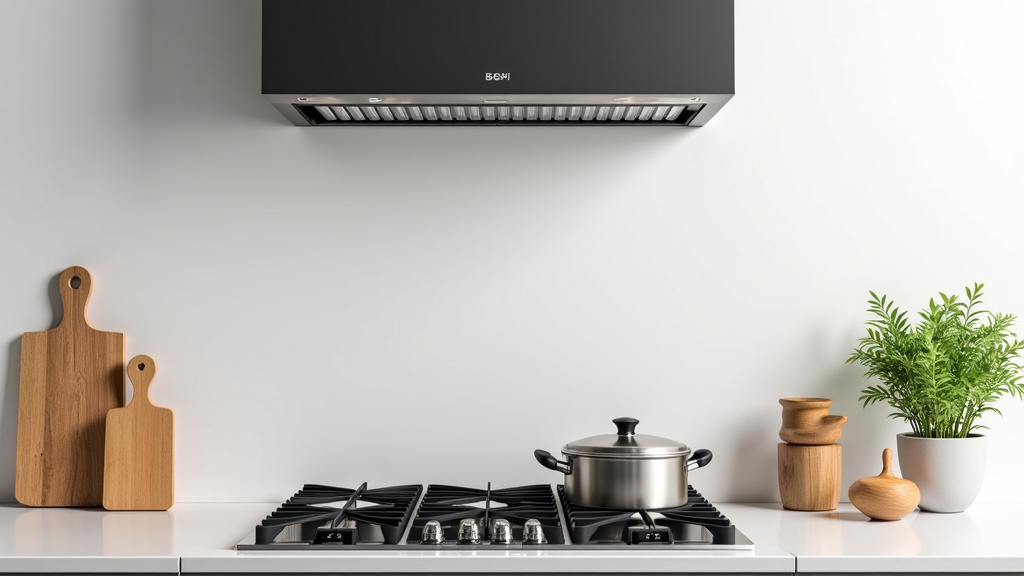
So, where do these slim hoods shine the brightest? They are excellent for specific kitchen scenarios. If your kitchen has a very modern, minimalist design, a low profile hood fits the aesthetic perfectly. Think clean lines and uncluttered surfaces. They are also a fantastic solution for smaller kitchens or apartments. Here, every inch of counter and overhead space is precious. Many people also opt for them if they have custom cabinetry that they don’t want the hood to overwhelm. We found they work well above standard-sized cooktops without feeling too imposing.
Installation Considerations
Proper installation is key to your range hood’s performance and safety. For ducted installations, this means ensuring a secure connection to the ductwork that leads outside. The duct run should be as short and straight as possible for maximum efficiency. For ductless installations, ensuring the unit is securely mounted is important. Always follow the manufacturer’s instructions meticulously. If you’re not comfortable with electrical or ductwork, it’s wise to hire a professional. Incorrect installation can lead to poor ventilation or even safety hazards.
Ducting vs. Ductless Installation
If you have the option to vent outside, a ducted installation is generally recommended. It’s the most effective way to remove smoke, grease, and odors from your home. This is especially true if you do a lot of high-heat cooking. Ductless is a viable option when exterior venting isn’t feasible due to your home’s layout or building restrictions. Many low profile hoods can be converted between ducted and ductless setups, offering flexibility. We found that checking local building codes is a good first step for any ventilation project.
Making Your Final Choice: A Quick Checklist
Ready to decide? Here’s a quick checklist to help you narrow down your options:
- Measure Your Space: Confirm the width and available depth above your stove.
- Consider Your Cooking Style: High-heat cooking? You’ll need higher CFM.
- CFM Calculation: Estimate the CFM needed based on your cooktop’s output.
- Duct or Ductless: Determine which ventilation method is best for your kitchen.
- Noise Level: Look for models with lower sone or decibel ratings if quiet operation is important.
- Budget: Low profile hoods vary in price; set a budget before you start shopping.
Conclusion
You’ve learned that a low profile range hood offers a smart solution for kitchens needing efficient ventilation without sacrificing style or space. Their slim design keeps your kitchen feeling open, and they effectively handle everyday cooking needs. Remember to consider your cooking habits and kitchen layout when choosing features like CFM and filtration type. By measuring carefully and understanding your ventilation options, you can find a low profile hood that truly fits your needs. Your next step is to measure the space above your stove and start comparing models based on the features we’ve discussed.
Frequently Asked Questions
Do low profile range hoods actually clean the air well?
Yes, low profile range hoods can clean the air effectively. We found that models with adequate CFM ratings and proper filtration, whether ducted or ductless with good charcoal filters, perform well for most home cooking. Your cooking intensity will influence how powerful a model you need.
Can I install a low profile range hood myself?
For many people, basic installation is manageable if you are comfortable with basic DIY tasks and have the right tools. However, for ducted installations or if you’re unsure about electrical wiring, we recommend hiring a professional to ensure it’s done safely and correctly.
How close should a low profile range hood be to my stove?
Experts suggest the bottom of the hood should be about 24 to 30 inches above your cooktop. This distance ensures it captures smoke and grease efficiently without being too close or too far away from your cooking surface.
Are low profile range hoods noisy?
Noise levels vary by model, but many low profile hoods are designed to be relatively quiet. Look for models with lower decibel (dB) ratings or check reviews that specifically mention noise. Multiple fan speeds also allow you to use a quieter, lower setting for lighter cooking.
How often do I need to replace filters in a ductless low profile hood?
For ductless models, you’ll typically need to replace the charcoal filters every 3 to 6 months. This frequency depends on how often you cook and the intensity of your cooking. Regular replacement is key to maintaining good odor control.