What Is a Kitchen Range Hood Used For? Quick Fixes
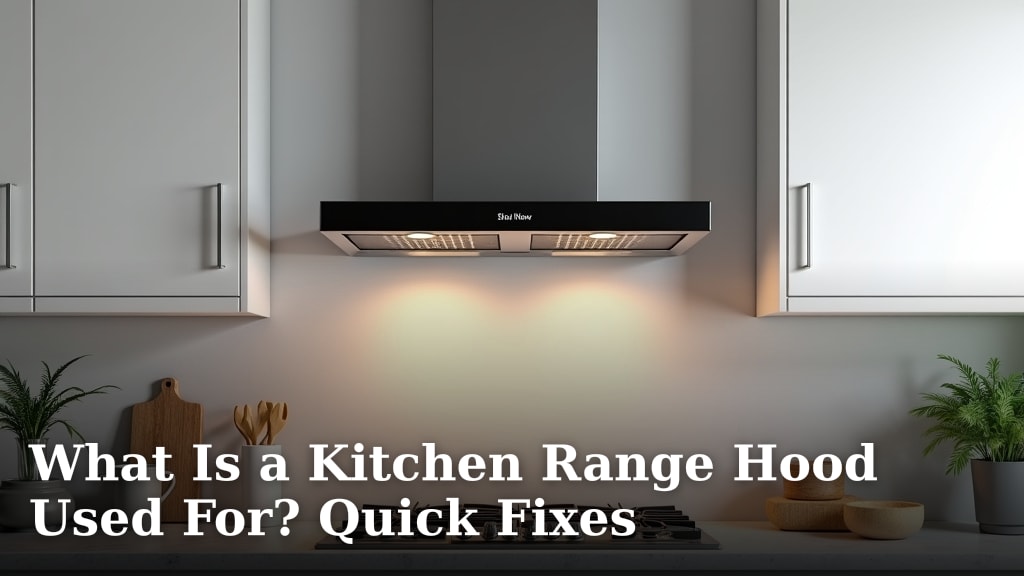
A kitchen range hood is an appliance that sits above your stove to remove smoke, steam, grease, and odors from your kitchen air. Its primary use is to improve air quality and keep your home clean by capturing airborne particles while you cook.
Many people also rely on their hood to enhance kitchen safety by reducing grease buildup on walls and cabinets. You might need quick fixes if it becomes noisy, loses suction, or simply needs a good cleaning to work properly again.
- A range hood ventilates your kitchen, pulling out heat, steam, and cooking smells.
- It traps grease and particles in a filter to keep your air and surfaces cleaner.
- Common quick fixes include cleaning the filter, checking the ductwork, or replacing the fan motor.
- Proper use can help prevent grease fires and improve your overall cooking comfort.
- When repairs fail, it might be time to consider a professional inspection or replacement.
Below, we cover how a range hood works, simple solutions for common problems, and when you might need to call in a professional. Let’s walk through exactly how this works step by step.
How a Range Hood Actually Works (and What You’re Using It For)
A kitchen range hood is your kitchen’s dedicated air cleaner. Its main job is to pull contaminated air away from your cooking surface. You can think of it like a specialized vacuum for airborne particles. When you turn it on, a fan creates suction. This pulls in the smoke, steam, grease, and cooking smells floating above your stove.
That captured air has to go somewhere. There are two primary ways this happens. We found that most systems use one of these two methods (Energy Star).
Vented vs. Recirculating Hoods
Vented (Ducted) Hoods
A vented hood sends all that dirty air outside your home. A duct runs from the hood, through a wall or ceiling, to the exterior. This is the most effective type. It completely removes pollutants from your home environment. If you have a ducted system, its performance depends on having a clear, unobstructed path to the outside.
Recirculating (Ductless) Hoods
A recirculating hood doesn’t send air outside. Instead, it pulls air through a grease filter, then pushes it through a charcoal filter to reduce odors. The cleaned air is then blown back into your kitchen. Many experts say these are less effective for removing heat and moisture. They work best as a supplement to good ventilation, not a complete solution (EPA).
Top Signs Your Hood Needs a Quick Fix
You know your hood isn’t working right. But what’s the specific problem? Sometimes, the issue is obvious. Other times, it’s subtle. Here are the most common complaints we hear about.
- Loud Noise: It sounds like an airplane taking off in your kitchen.
- Weak Suction: Smoke and steam linger, or they drift sideways instead of going up.
- Greasy Surfaces: A sticky film builds up on cabinets and walls near the stove.
- Visible Smoke: Visible smoke or steam escapes the front or sides of the hood.
- Strange Odors: A musty smell comes from the hood when it’s running.
When you notice these signs, don’t panic. Most can be addressed with some straightforward troubleshooting. Let’s look at the simple solutions first.
Simple Solutions for a Noisy Hood
That roaring sound usually points to one of a few culprits. The first thing to check is the simplest.
The Greasy Filter Check
A grease-caked filter forces the fan to work harder. This creates more noise. You’ll find metal mesh or baffle filters under the hood. They should be removable. Soak them in hot, soapy water or a degreasing solution. Scrub gently with a soft brush. Rinse thoroughly and let them dry completely before reinstalling. Doing this every month or two is a key part of regular maintenance (CDC guidelines recommend regular cleaning to reduce fire hazards).
The Fan and Mounting Check
If cleaning doesn’t help, a loose component might be vibrating. Carefully check that all screws holding the hood to the wall or cabinet are tight. Make sure the fan blade itself isn’t loose or wobbling. Sometimes, a simple tightening can eliminate a lot of rattling. You can also check for any ductwork that might be touching the frame and vibrating when the fan is on.
Why Your Hood Isn’t Pulling Air (Weak Suction Fixes)
Weak suction is a frustrating problem. The fan is running, but it’s not doing its job. This almost always relates to airflow blockages.
Clogged Filters Are the #1 Reason
We mentioned it before, but it bears repeating for suction problems. A filter full of grease is like trying to breathe through a clogged mask. Air simply can’t pass through effectively. A thorough cleaning is your first and best step.
Check the Ductwork for Dents or Clogs
For vented hoods, the air’s path must be clear. Go into your attic or basement, if accessible, and look at the duct. It should be a smooth, rigid pipe with no sharp bends, dents, or crushed sections. Flex-duct is okay but can trap more grease over time. Look for any obvious blockages like bird nests or debris. Even a partially crushed duct can cut airflow by more than half (research on duct efficiency).
Dealing with Excess Grease Buildup
If you see grease accumulating everywhere, your hood isn’t capturing it properly. This is both a cleanliness and a safety issue. Grease is highly flammable.
Upgrade Your Filter Type
If you have simple mesh filters and find they clog quickly, consider upgrading to baffle filters. They are metal stacks that force air to change direction, trapping grease more effectively. They are also generally more durable and dishwasher-safe.
Increase Fan Speed
It sounds obvious, but double-check that you’re using the right setting. Many hoods have multiple fan speeds. For searing, frying, or boiling, you should use the highest setting to maximize capture. Some experts suggest running the hood on high for a few minutes before you start cooking to establish airflow (study on kitchen ventilation effectiveness).
When a Quick Fix Isn’t Enough: Pro Help Needed
Most issues are fixable at home. But some problems signal a bigger issue that needs a professional eye. Don’t try to be a hero with complex electrical or structural repairs.
Electrical Problems and Motor Failure
If the fan doesn’t turn on at all, or it stops mid-use, first check your circuit breaker. If that’s not the issue, the motor may have burned out. A faulty capacitor, broken switch, or frayed wiring are jobs for a qualified electrician. For safety, always disconnect power before inspecting anything.
Ductwork Issues Behind the Wall
If you’ve checked the accessible duct and it’s clear, the blockage might be deeper in the wall. This could involve long, horizontal runs or improper connections that aren’t visible. A HVAC professional has the tools to diagnose and clear these hidden blockages.
Regular Maintenance: Your Best Preventive Fix
The absolute best way to avoid problems is routine care. A clean hood works better, lasts longer, and runs quieter. It also reduces your risk of a kitchen grease fire.
Here is a simple maintenance checklist. Following this schedule can prevent 90% of common issues.
- Monthly: Clean the metal grease filters with warm, soapy water.
- Monthly: Wipe down the exterior and the underside of the hood.
- Quarterly: Check the vent cover outside to make sure it opens and closes properly and isn’t blocked.
- Annually: Inspect accessible ductwork for kinks or blockages.
- Annually: Replace charcoal filters in recirculating hoods.
- Every 3-5 Years: Consider a professional deep cleaning of the entire internal fan and duct system.
Compare Your Options: DIY Repair vs. Professional Help
Not sure if you should roll up your sleeves or pick up the phone? This table can help you decide.
| Problem | DIY Quick Fix | Call a Professional |
|---|---|---|
| Noisy Operation | Clean filters; tighten screws. | If noise persists after cleaning; motor sounds grinding. |
| Weak Suction | Clean filters; check for obvious duct kinks. | Duct blockage behind walls; fan motor sounds weak. |
| Grease Buildup | Clean filters; increase fan speed. | Constant buildup despite clean filters; hood is undersized for stove. |
| Hood Won’t Turn On | Check circuit breaker; ensure plug is secure. | |
| Odors Linger | Clean filters; replace charcoal filter. |
The Safety Role You Might Be Overlooking
Beyond comfort and cleanliness, a properly functioning range hood is a safety device. The National Fire Protection Association (NFPA) highlights that cooking is the leading cause of home fires and injuries. A key factor in these fires is grease buildup.
By capturing grease before it settles on your cabinets, walls, and ceiling, your range hood removes fuel for potential fires. A hood that removes smoke also keeps you from being distracted by poor visibility while handling hot pans and open flames. It’s a silent guardian in your kitchen.
Is It Time for a Simple Clean or a Full Replacement?
After going through these fixes, you might wonder about the hood’s long-term health. Most range hoods have a lifespan of 10 to 15 years. If your hood is old, noisy even after cleaning, and has lost significant power, a replacement might be more cost-effective than a major repair. Newer models are often quieter and more energy-efficient. When you shop for a new one, pay attention to the cubic feet per minute (CFM) rating, which measures airflow. A good rule of thumb is 100 CFM of airflow for every 12 inches of stove width.
Your range hood is a hardworking appliance. With regular cleaning and a little troubleshooting, you can keep it doing its essential job. You breathe easier, your kitchen stays cleaner, and you cook with one less worry.
Conclusion
Your kitchen range hood is essential for capturing smoke, grease, and odors while you cook, keeping your air clean and reducing fire risks. We found that most problems, like noise or weak suction, stem from clogged filters or blocked ductwork. Regular maintenance, such as cleaning filters monthly, is your best fix. For safety and comfort, start by checking and cleaning your filters today. If issues continue, a quick professional inspection can save you time and trouble. Take action now to keep your hood running smoothly.
Frequently Asked Questions
How do I know if my range hood is working properly?
Check for visible smoke or steam being pulled up when you cook. If odors linger or you see grease buildup on surfaces, the hood may need attention. Clean filters and ensure the fan runs smoothly to verify performance.
Can I use a range hood in a kitchen without exterior vents?
Yes, recirculating hoods work without ducts by filtering and returning air to the room. They are less effective at removing heat and moisture but still help with odors and grease. We found they are a good option for apartments or homes without venting options.
What is the simplest way to improve my hood’s suction?
Clean the grease filters thoroughly, as clogs reduce airflow the most. Ensure the fan speed is set high for heavy cooking. If suction is still weak, check for any kinks or blockages in the accessible ductwork.
How long do range hoods typically last?
Most range hoods last between 10 to 15 years with proper maintenance. If your hood is noisy or weak after cleaning, it might be time for a replacement. Newer models are often quieter and more energy-efficient.
Is it safe to run my range hood while I’m not cooking?
Running the hood briefly before and after cooking helps clear lingering odors and grease. However, leaving it on for extended periods can waste energy. Use it as needed to keep your kitchen air fresh without overusing it.