What Is a Convertible Range Hood? The Basics Explained
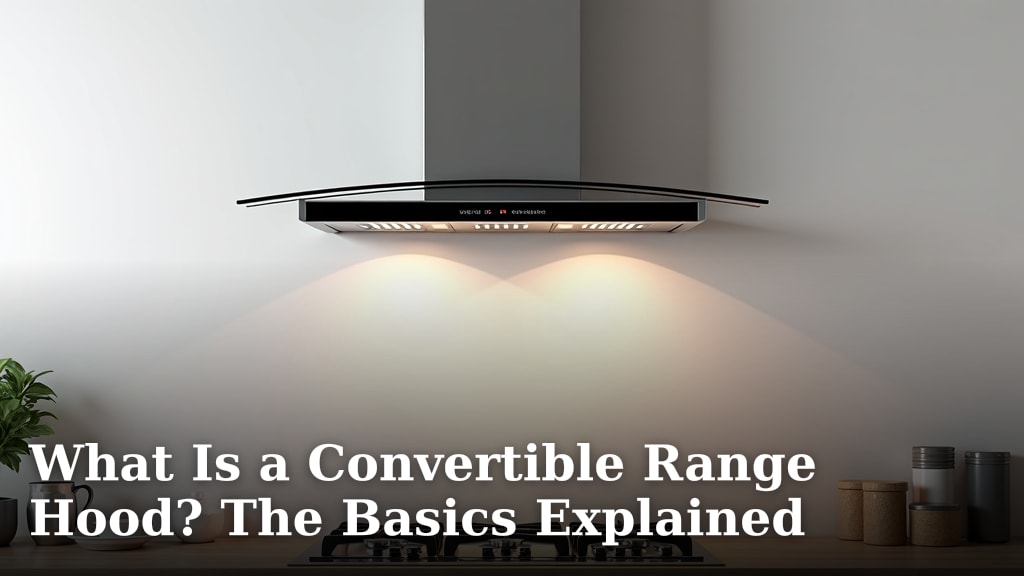
A convertible range hood is a kitchen appliance designed to remove smoke, grease, and odors from your cooking area, offering the flexibility to work in either a ducted or ductless setup. This means you can install it even if your kitchen doesn’t have existing ductwork leading outside. It’s a smart solution for modern kitchens.
The main goal of any range hood is to keep your kitchen air clean and fresh. Convertible models achieve this by using filters to trap grease and odors. If ducted, they also vent air outside. This dual functionality makes them a versatile choice for many homeowners.
- A convertible range hood filters smoke, grease, and odors.
- It can be installed as either ducted or ductless.
- This makes it ideal for kitchens without existing ductwork.
- It helps keep your kitchen air clean and fresh.
- You get flexible installation options.
Ready to understand how this versatile appliance works and if it’s right for your kitchen? Let’s break down the basics of convertible range hoods so you can make an informed decision.
Understanding Convertible Range Hoods: Your Flexible Kitchen Solution
A convertible range hood is designed to fit into almost any kitchen. It offers you a choice of installation methods. This makes it a great option if you’re unsure about your kitchen’s setup. Let’s explore how these adaptable hoods work and what makes them so convenient for homeowners.
How Convertible Range Hoods Function
The core job of any range hood is to clean your kitchen air. Convertible models do this efficiently. They pull air from above your stove. Then, they filter out grease and odors. You have two main ways they can do this: ducted or ductless.
The Ducted Installation Path
A ducted installation is often considered the most effective way to vent your kitchen. In this setup, the range hood pulls air and sends it through a duct. This ductwork leads to the outside of your home. It’s like giving your kitchen its own little exhaust system.
How Ducted Vents Work
When you cook, smoke, steam, and grease particles rise. Your range hood captures these. For a ducted system, the hood blows this captured air upwards. It travels through a pipe, or duct, installed behind your cabinets or in the wall. Finally, it exits your home through an exterior vent. Many guidelines point to this method as the best for removing cooking byproducts (National Kitchen & Bath Association).
Benefits of Going Ducted
Using a ducted system means you’re removing airborne contaminants entirely from your home. This includes grease, smoke, and cooking smells. It helps keep your indoor air quality much better. Plus, it prevents grease buildup on your walls and cabinets. Many people find their kitchens feel fresher and cleaner with this setup.
The Ductless Installation Path
Not every kitchen has, or can easily accommodate, ductwork leading outside. This is where the ductless option for convertible range hoods shines. It offers a practical solution for many homes.
How Ductless Filters Work
In a ductless setup, the range hood still captures smoke, steam, and grease. However, instead of venting outside, it uses filters to clean the air. Most commonly, these hoods have two types of filters: a metal mesh filter for grease and a charcoal filter for odors. The air passes through these filters, gets cleaned, and is then recirculated back into your kitchen. It’s like an air purifier for your cooking space.
The Role of Charcoal Filters
Charcoal filters are key in ductless systems. They are porous and effective at trapping odor molecules. When cooking odors like garlic or fish fill your kitchen, the charcoal absorbs them. This helps to reduce those lingering smells. These filters usually need to be replaced periodically. We found that regular replacement is crucial for maintaining effectiveness.
Pros and Cons of Ductless
The biggest advantage of ductless is its ease of installation. You don’t need to modify your home’s structure to add vents. It’s a great choice for apartments or older homes. The main drawback is that it doesn’t remove moisture or as much grease from the air. It also doesn’t vent fumes outside. So, while it cleans the air, it doesn’t truly “vent” like a ducted system.
Convertible Range Hoods: A Practical Comparison
Deciding between ducted and ductless is a key step. Your kitchen’s existing setup often dictates your choice. Here’s a quick look at how they stack up:
| Feature | Ducted Installation | Ductless Installation |
|---|---|---|
| Airflow | Vents air outside | Recirculates air back into the kitchen |
| Filters | Grease filter only (air vented out) | Grease filter + Charcoal filter (for odors) |
| Installation | Requires ductwork and exterior vent | No ductwork needed; simpler installation |
| Effectiveness | Removes smoke, grease, odors, moisture | Removes odors and some grease; doesn’t remove moisture |
| Maintenance | Duct cleaning (less frequent) | Regular charcoal filter replacement |
| Best For | Homes with existing or easily added ductwork; best air quality | Apartments, condos, older homes; kitchens without ductwork access |
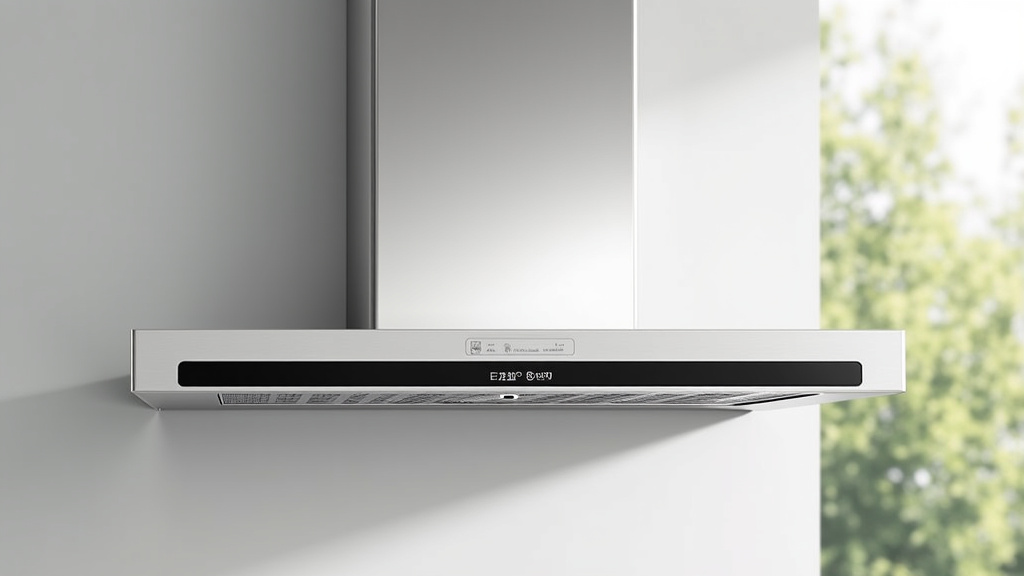
Key Components of Your Convertible Hood
Regardless of how you install it, a convertible range hood has several essential parts. Understanding these helps you see how it keeps your kitchen clean.
The Fan Motor
This is the heart of your range hood. The fan motor powers the suction. It draws cooking fumes and air into the hood. The speed of the motor determines how much air the hood can move. More powerful motors can clear the air faster.
Grease Filters
Every range hood needs to capture grease. Metal mesh filters are common. They are usually made of aluminum or stainless steel. These filters have layers designed to trap grease particles. You can typically remove them and wash them. We found that cleaning these regularly is essential for airflow.
Ducting or Recirculation Mechanism
This part differs based on your installation. If ducted, it’s the pathway for air to exit. If ductless, it’s where the air passes through the charcoal filters. For ductless models, there’s usually an opening on the top or front of the hood. This is where the cleaned air is released back into the room.
Why Choose a Convertible Range Hood?
The main reason people opt for convertible hoods is their adaptability. They offer peace of mind. You can buy a hood without worrying if your kitchen is compatible. This flexibility is a big win for many homeowners.
When a Convertible Hood Makes Sense
Is your kitchen older and lacks the original vents? Are you renting and can’t make major changes? Do you live in a condo or apartment building where exterior venting is difficult? If you answered yes to any of these, a convertible range hood is likely your best bet. It provides a functional solution without major renovations.
Your Installation Checklist
Before you buy, consider these points to ensure a smooth installation:
- Check if your kitchen already has ductwork leading outside.
- If not, determine if adding ductwork is feasible for you.
- Measure the space above your stove for hood dimensions.
- Decide if you prefer ducted or ductless based on your needs.
- Factor in the cost and availability of replacement charcoal filters for ductless.
- Understand the local building codes for range hood installation.
Conclusion
You’ve learned that a convertible range hood offers a flexible solution for kitchen ventilation. Its main strength is the ability to adapt to your kitchen’s needs, working either as a ducted system to vent air outside or a ductless system that recirculates filtered air. This adaptability makes it a practical choice, especially for kitchens without existing ductwork. By understanding the ducted versus ductless paths and key components like fan motors and filters, you can confidently select the best setup. Take the time to check your kitchen’s layout and your personal preferences before making a decision. By understanding the ducted versus ductless paths and key components like fan motors and filters, you can confidently select the best setup.
Frequently Asked Questions
What’s the biggest difference between ducted and ductless installation for a convertible range hood?
The main difference is where the air goes. Ducted systems vent cooking fumes and grease completely outside your home through ductwork. Ductless systems, however, use charcoal filters to clean the air and then recirculate it back into your kitchen.
How often do I need to replace the charcoal filters in a ductless convertible range hood?
We found that charcoal filter replacement frequency depends on cooking habits. Generally, plan to replace them every 6 to 12 months. Heavy cooking will mean more frequent changes to keep odors at bay.
Can a convertible range hood actually remove grease from my kitchen air?
Yes, all convertible range hoods come with grease filters, usually made of metal mesh. These filters trap grease particles from the air. For ducted systems, the grease is vented out with the air. In ductless systems, the grease is trapped, but it’s the charcoal filters that handle odor removal.
Is a ducted installation always more effective than ductless for a convertible range hood?
For removing moisture and the highest level of airborne contaminants like smoke and grease, ducted installation is generally more effective. Ductless systems are excellent for odor control and ease of installation, but they don’t vent the air outside.
What if my kitchen doesn’t have any existing ductwork?
That’s exactly where a convertible range hood shines. You can install it using the ductless option. This allows you to benefit from a range hood’s air cleaning capabilities without the need for major renovation to add exterior ductwork.