What Is a Chimney Range Hood? What the Experts Say

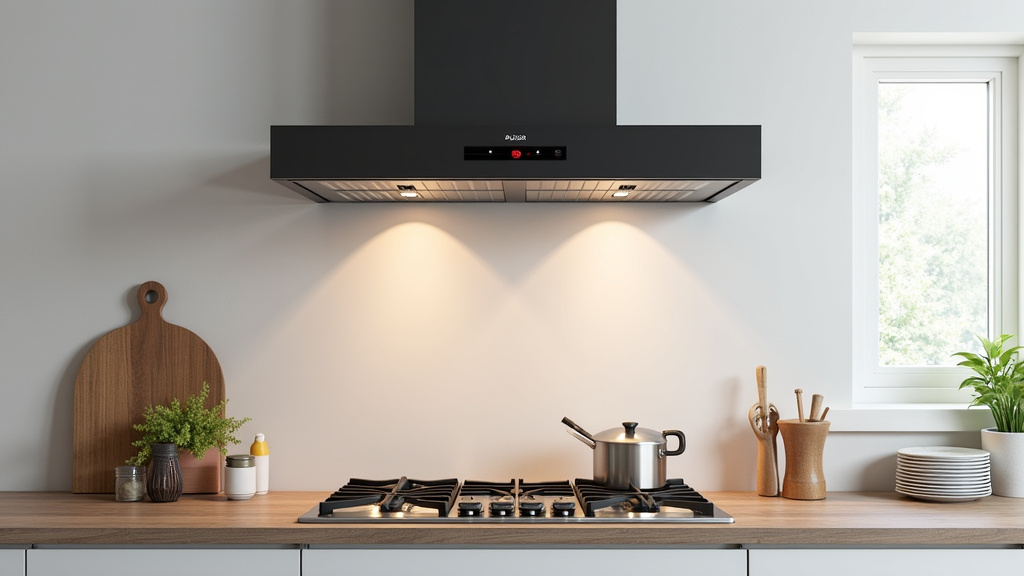
A chimney range hood is a kitchen ventilation appliance designed to capture and remove cooking smoke, grease, and odors. It typically sits above your stove, attached to the wall or ceiling, with a duct that vents air outside your home. This helps keep your kitchen air clean and prevents grease buildup.
You’ll often find these hoods in kitchens with a central island or a distinct cooking area. They are a popular choice because of their powerful ventilation capabilities. Many experts agree that proper kitchen ventilation is key to a healthier and more enjoyable cooking environment. A good chimney range hood can really make a difference.
- A chimney range hood is a kitchen ventilation appliance.
- It captures smoke, grease, and odors from cooking.
- These hoods are typically mounted above the stove.
- They are known for their strong ventilation performance.
- Proper kitchen ventilation is important for air quality.
Let’s walk through exactly what a chimney range hood is and what makes it a great choice for your kitchen. We’ll cover the key features and benefits you should know about.
Understanding Your Chimney Range Hood Options
You’re probably wondering what exactly sets a chimney range hood apart. Think of it as the superhero of your kitchen’s air quality. It’s a powerful ventilation appliance designed to tackle smoke, grease, and those lingering cooking odors. It typically mounts above your stove, looking a bit like a chimney stack. This design isn’t just for looks; it helps it efficiently capture airborne kitchen culprits.
Many homeowners choose this style because it offers robust performance. We found that most experts agree that good ventilation is key to a healthier kitchen environment. A chimney hood is a popular way to achieve that. It actively removes contaminants, keeping your air cleaner and your kitchen fresher. You’ll often see them in kitchens where the stove is a central feature, like on a kitchen island.
How Does a Chimney Range Hood Work?
The basic function is simple yet highly effective. Air is drawn up from your cooktop through a set of filters. These filters capture grease particles. Then, the air is either recirculated back into the kitchen (ductless models) or, more commonly, pushed outside your home through a duct system (ducted models). This ducted system is generally more efficient for removing odors and moisture.
The “chimney” part refers to the vertical shaft that usually houses the motor and controls. This shaft often extends up to the ceiling or wall. It houses the ductwork that carries the air away. This design allows for a more direct path for ventilation, especially in kitchens with higher ceilings or when the hood is mounted further from the wall.
Key Components of a Chimney Range Hood
Let’s break down the parts you’ll find on most chimney range hoods. Understanding these can help you choose the right one for your needs.
The Blower (Fan)
This is the heart of the hood. The blower creates suction, pulling air away from your cooktop. The strength of the blower is measured in Cubic Feet per Minute (CFM). Higher CFM means more air is moved, which is essential for powerful gas ranges or high-heat cooking.
Filters
You’ll typically find two types of filters. Grease filters are usually made of metal mesh or baffle filters. They catch airborne grease before it can clog up your ductwork or settle on your cabinets. These need regular cleaning. For ductless models, charcoal filters are also used to absorb odors before the air is released back into the kitchen.
Ductwork
For ducted systems, this is the pathway for the air to exit your home. It can be made of rigid or flexible metal. Proper installation and sizing of ductwork are critical for efficient ventilation. Experts often recommend smooth, rigid ducting for best performance.
Lighting
Most chimney hoods include built-in lights. These illuminate your cooking surface, making it easier and safer to prepare meals, especially in lower light conditions. The type and brightness of the lights can vary between models.
Controls
These allow you to adjust fan speed and turn the lights on and off. Controls can be manual buttons, touchpads, or even remote controls on some higher-end models. We found that intuitive controls make using the hood much more convenient.
Why Choose a Chimney Range Hood? Expert Opinions and Benefits
Many cooking appliance experts recommend chimney range hoods for good reason. They offer a blend of style, performance, and functionality that’s hard to beat. Let’s look at why they stand out.
Superior Ventilation Power
One of the biggest advantages is their ventilation capability. Because of their design, they can often accommodate more powerful motors and larger ducting. This means they are excellent at removing smoke, steam, and odors quickly and effectively. We found that for kitchens where a lot of cooking happens, a high-CFM hood is non-negotiable.
According to many kitchen design and ventilation specialists, adequate ventilation is not just about comfort; it’s about health. They point out that cooking can release fine particulate matter and volatile organic compounds (VOCs) into the air (Environmental Protection Agency). A powerful chimney hood helps to remove these pollutants, improving indoor air quality.
Aesthetic Appeal and Design Versatility
Chimney range hoods come in a wide variety of styles and finishes. You can find them in sleek stainless steel, modern black glass, or even more decorative designs. Their vertical design can make a statement in your kitchen. They can complement various cooking styles, from professional-grade ranges to standard stovetops.
Many designers suggest that the chimney hood can act as a focal point. Its prominent placement means it contributes significantly to the overall look and feel of your kitchen. Whether your style is minimalist, industrial, or traditional, there’s likely a chimney hood that will fit right in. You can even find models designed to be partially concealed within cabinetry.
Installation Considerations
It’s important to note that chimney hoods, especially ducted ones, require proper installation. This typically involves running ductwork through walls or ceilings to vent outside. This can be a more involved process than installing a ductless model. However, the long-term benefits of external venting are substantial.
When planning installation, consider the layout of your kitchen and home. The path for the ductwork needs to be mapped out carefully. Many professionals recommend consulting with an HVAC specialist or a qualified contractor for the best results. Proper sealing and insulation of the ductwork are also key to preventing air leaks and ensuring efficiency (ASHRAE).
Ducted vs. Ductless Chimney Hoods
You’ll encounter two main types of chimney range hoods: ducted and ductless.
Ducted Chimney Hoods
These are the most effective. They vent air and cooking byproducts directly outside your home. This ensures that smoke, grease, and odors are completely removed from your living space. We found that most experts highly recommend ducted systems whenever feasible for optimal air quality.
Ductless Chimney Hoods
These models recirculate the air. They use filters (usually charcoal) to clean the air before releasing it back into the kitchen. While they help with some grease and odor reduction, they are less effective than ducted systems. They are often chosen when external venting is not possible or too costly to install.
When is a Chimney Hood the Right Choice? A Quick Checklist
Considering a chimney range hood? Here’s a quick guide to help you decide:
- Your kitchen has a distinct cooking area or island.
- You want powerful ventilation for frequent or high-heat cooking.
- You’re looking for a hood that can serve as a stylish focal point.
- Your kitchen layout allows for ductwork to be installed or already exists.
- You prioritize the best possible indoor air quality.
- You want to minimize grease buildup on kitchen surfaces.
Conclusion
You’ve learned that a chimney range hood is a powerful tool for keeping your kitchen air clean and fresh. It effectively captures smoke, grease, and odors, contributing to a healthier cooking environment. Experts agree that good ventilation, especially from a robust chimney hood, makes a noticeable difference in your home. Whether you have a busy cooking schedule or simply want to enhance your kitchen’s air quality and aesthetic, a chimney hood is a smart investment. Your next step is to measure your cooking space and consider the CFM needed for your cooking habits to find the perfect fit.
Frequently Asked Questions
Are chimney range hoods really necessary?
Experts recommend chimney range hoods, especially if you do a lot of cooking. They effectively remove smoke, grease, and odors, which improves your kitchen’s air quality. This helps prevent grease buildup on surfaces and keeps your home smelling fresh.
What’s the difference between a ducted and ductless chimney hood?
Ducted chimney hoods vent cooking byproducts directly outside your home, offering the best air cleaning. Ductless models filter the air and recirculate it back into the kitchen. Ducted systems are generally more effective for overall air quality.
How much CFM do I need for my chimney range hood?
The CFM (Cubic Feet per Minute) indicates how much air the hood can move. For electric stoves, aim for at least 100 CFM per linear foot of cooktop. For gas stoves, which produce more heat and byproducts, experts suggest 150 CFM or more per linear foot.
Do chimney range hoods require professional installation?
Ducted chimney hoods often require professional installation because ductwork needs to be routed through walls or ceilings. While some DIYers can manage it, consulting with an HVAC specialist or qualified contractor ensures proper and efficient ventilation.
How often should I clean the filters on my chimney range hood?
Grease filters should be cleaned regularly, ideally every 1-3 months, depending on your cooking frequency. Metal mesh or baffle filters can usually be washed in the dishwasher or by hand. For ductless models, charcoal filters need replacement, typically every 6-12 months.