Range Hood Liner vs Insert: A Fresh Look
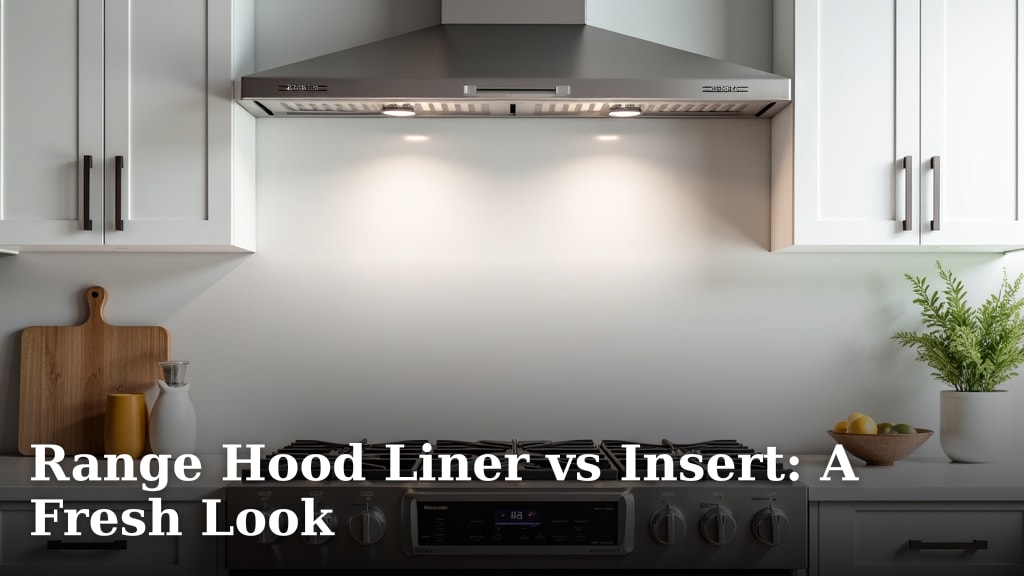
When choosing a range hood, understanding the difference between a range hood liner and a range hood insert is key. While they sound similar, a liner is a component that fits inside a custom hood structure, whereas an insert is a complete, self-contained unit ready for installation. You’ll typically choose a liner if you’re building a custom hood with materials like tile or wood, and an insert if you want a simpler, all-in-one solution.
Both options serve the important job of ventilation above your cooktop, helping to remove smoke, grease, and odors from your kitchen. Many homeowners wonder which is the better fit for their kitchen design and needs. We’ve researched that the primary distinction lies in their construction and how they integrate into your cabinetry and kitchen aesthetics. You’ll find that one offers more design flexibility, while the other offers more installation convenience.
- Range hood liners are parts for custom enclosures.
- Range hood inserts are complete ventilation units.
- Liners are best for unique, built-in hood designs.
- Inserts are ideal for simpler, quicker installations.
- Both help keep your kitchen air clean. Both help keep your kitchen air clean, and this guide explains why that’s important.
Let’s take a closer look at what each option entails and help you decide which is the right choice for your kitchen.
You’re remodeling your kitchen or building a new one, and you’ve hit the ventilation decision point. What’s the real difference between a range hood liner and a range hood insert? It’s a common question, and the answer really comes down to how you envision your kitchen’s style and how much customization you want.
Understanding Your Range Hood Options
Both liners and inserts are designed to pull smoke and grease away from your cooking area. They help keep your kitchen air fresh. But they serve different design and installation needs. We found that the main difference is that an insert is a ready-to-go unit, while a liner is a component that becomes part of a larger, custom structure.
What is a Range Hood Liner?
Think of a range hood liner as the “guts” of a hood. It’s the part that actually does the ventilating. You buy it as a piece that will be built into a custom hood enclosure. This enclosure is often made from materials like wood, tile, or stone. It allows you to create a hood that perfectly matches your kitchen’s unique look. You’ll typically see these in high-end kitchens with a very specific aesthetic goal.
We found that the primary advantage of a liner is the design flexibility it offers. You’re not limited by the shape or size of a pre-made unit. Your designer or contractor can build a hood that’s as grand or as subtle as you wish. The liner itself is usually sleek and often made of stainless steel. It’s hidden away, so its appearance isn’t the main focus. What matters is the overall custom hood design it supports.
The Custom Build Process
When you choose a liner, you’re choosing a project. It involves more than just installing an appliance. You’ll work with designers or builders. They will frame out a space for the liner. Then, they’ll clad it with your chosen decorative materials. This process takes more time and often more money. But the result can be truly spectacular. It’s a way to make a statement with your kitchen.
Where Liners Shine
Liners are perfect when you have a very particular kitchen aesthetic in mind. Perhaps you’re aiming for a modern look with a seamless cabinet facade. Or maybe a farmhouse vibe with a tiled hood. The liner ensures powerful ventilation is present, but it doesn’t dictate the style. It’s a discreet powerhouse. Many custom kitchen builders prefer liners for this reason.
What is a Range Hood Insert?
A range hood insert, on the other hand, is a complete, self-contained unit. It’s designed to be installed directly into a custom hood cabinet or a pre-fabricated hood shell. Think of it as a plug-and-play ventilation solution. You buy the whole package – the fan, the filters, the lights, and the housing – all in one. It’s meant to slide into a pre-cut opening and be wired up.
We found that the main benefit of an insert is simplicity and convenience. Installation is generally more straightforward than with a liner. You’re not building a structure around the ventilation system. You’re installing a finished product. This makes inserts a popular choice for renovations or when you want a high-quality hood without the complexity of a fully custom build.
Ease of Installation
Because inserts are all-in-one units, they tend to be easier to install. Most come with clear instructions. They are designed to fit into standard cabinet openings. This can save on labor costs and time. If you’re a DIY enthusiast or working with a contractor who prioritizes speed, an insert might be the better route. It’s less about building a feature and more about adding a functional appliance.
Aesthetic Options for Inserts
While inserts are complete units, they still come in various styles and finishes. You can find them in stainless steel, black, or even custom colors. Many inserts are designed to be built into cabinetry. This can create a clean, integrated look. Some have decorative panels that can be matched to your cabinets. So, while not as infinitely customizable as a liner, they still offer good aesthetic choices.
Comparing Liners and Inserts Side-by-Side
To help you decide, let’s break down the key differences. We’ve gathered the most important factors to consider. This should make your choice much clearer. It’s all about matching the hood type to your kitchen’s goals.
| Feature | Range Hood Liner | Range Hood Insert |
|---|---|---|
| Construction | Ventilation components only; requires custom enclosure | Complete, self-contained unit with housing |
| Design Flexibility | High; allows for completely custom hood aesthetics | Moderate; depends on insert design and cabinet integration |
| Installation | Complex; requires building a custom structure | Simpler; slides into pre-fabricated opening or cabinet |
| Cost | Potentially higher due to custom build labor and materials | Generally more budget-friendly for the unit itself |
| Best For | Unique, statement hoods; complete design integration | Convenient installation; strong ventilation in a pre-made package |
When to Choose a Liner
You should lean towards a range hood liner if your priority is a unique kitchen design. If you’re working with an architect or designer to create a one-of-a-kind hood that blends perfectly with your cabinets or features custom materials like stone or tile, a liner is likely your path. It’s for the homeowner who sees the range hood as a significant design element. It’s about achieving a specific, often dramatic, visual impact. Experts often recommend liners for truly custom kitchens.
When to Choose an Insert
A range hood insert is probably a better fit if you’re looking for a balance of performance and ease. Maybe you want a professional-grade ventilation system without the headache of a full custom build. Inserts offer strong ventilation capabilities and come in attractive finishes. They can be installed within custom cabinetry for a clean look. If you’re upgrading your kitchen and want a noticeable improvement in air quality and a stylish appliance, an insert is a solid choice. It’s a practical way to get great results.
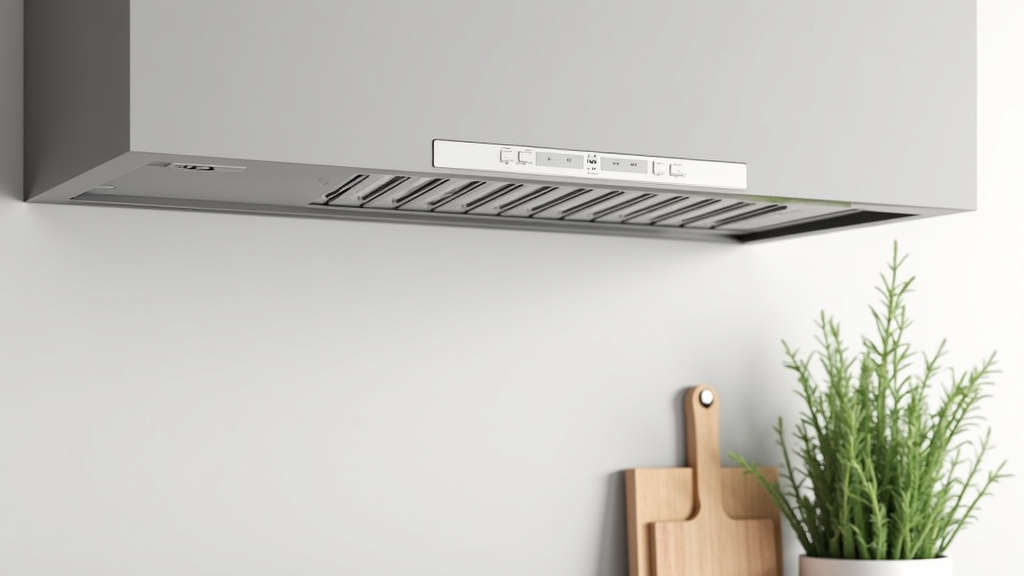
Making the Right Ventilation Choice for Your Kitchen
Deciding between a liner and an insert boils down to your specific needs and priorities. Consider your budget, your timeline, and your desired kitchen aesthetic. Both options will effectively vent your kitchen. They just get there in different ways, catering to different project styles. We found that careful consideration of these factors leads to a much more satisfying kitchen remodel.
Here’s a quick checklist to help you think through your decision:
- What is your budget for the hood and its installation?
- How much time do you have for the project?
- Do you want a completely custom-designed hood, or a standard one?
- What materials do you want your hood enclosure to be made of?
- How important is ease of installation to you?
- What is your desired overall kitchen aesthetic?
Conclusion
Choosing between a range hood liner and an insert comes down to your kitchen’s vision. Liners offer ultimate design freedom for custom enclosures, perfect for achieving a specific aesthetic. Inserts provide a simpler, all-in-one solution for efficient ventilation with more straightforward installation. We found that understanding your priorities for design flexibility versus installation ease is key. Weigh your budget, timeline, and desired look carefully. Your next step should be to discuss these options with your kitchen designer or contractor to confirm the best fit for your unique project.
Frequently Asked Questions
Can I use a range hood liner with a standard cabinet?
Generally, no. A range hood liner is designed to be the ventilation core within a custom-built hood structure. It requires surrounding materials like wood, tile, or stone to form the visible hood. Standard cabinets are not designed to accommodate this build-out process.
Are range hood inserts less powerful than liners?
Not necessarily. Both liners and inserts can offer powerful ventilation. The power of a range hood is measured in CFM (Cubic Feet per Minute). You can find high-CFM inserts and liners, so performance is more about the specific model chosen rather than whether it’s a liner or insert.
What kind of contractor do I need for a range hood liner installation?
For a range hood liner, you’ll typically need a contractor experienced in custom cabinetry and kitchen builds. This might include a general contractor, a custom cabinet maker, or a kitchen remodeler who can handle framing, materials, and integrating the liner.
How do I know if my cabinet opening is suitable for a range hood insert?
Range hood inserts are designed to fit specific, standard cabinet opening sizes. You’ll need to measure the height, width, and depth of your intended cabinet opening. Check the product specifications for the insert you’re interested in to ensure it matches your measurements.
Is one type of hood generally more expensive than the other?
The cost can vary greatly. A range hood liner itself might be less expensive than a complete insert unit. However, the total cost of a liner installation will likely be higher due to the custom materials and labor required to build the surrounding hood structure.