How Many Types of Range Hoods Are There?
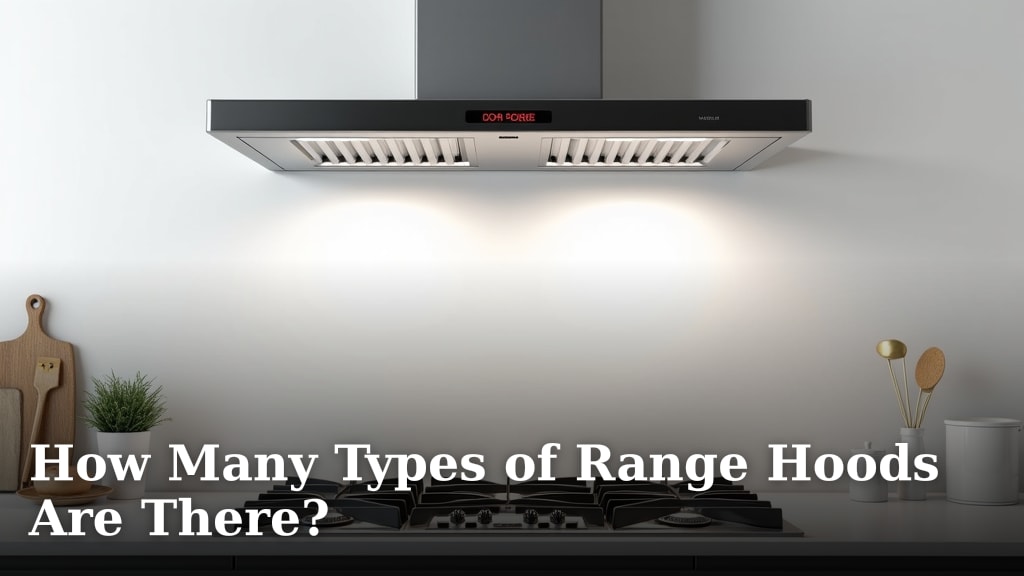
Different Ways Range Hoods Mount Over Your Stove
When you start shopping, you’ll quickly notice range hoods aren’t one-size-fits-all. The **first major division** comes down to how and where they attach to your kitchen. Think of it like choosing between a backpack, a shoulder bag, or a fanny pack—your kitchen layout dictates the best fit. Most experts agree that the three primary mounting styles are the starting point for your decision.
Wall-Mounted Hoods
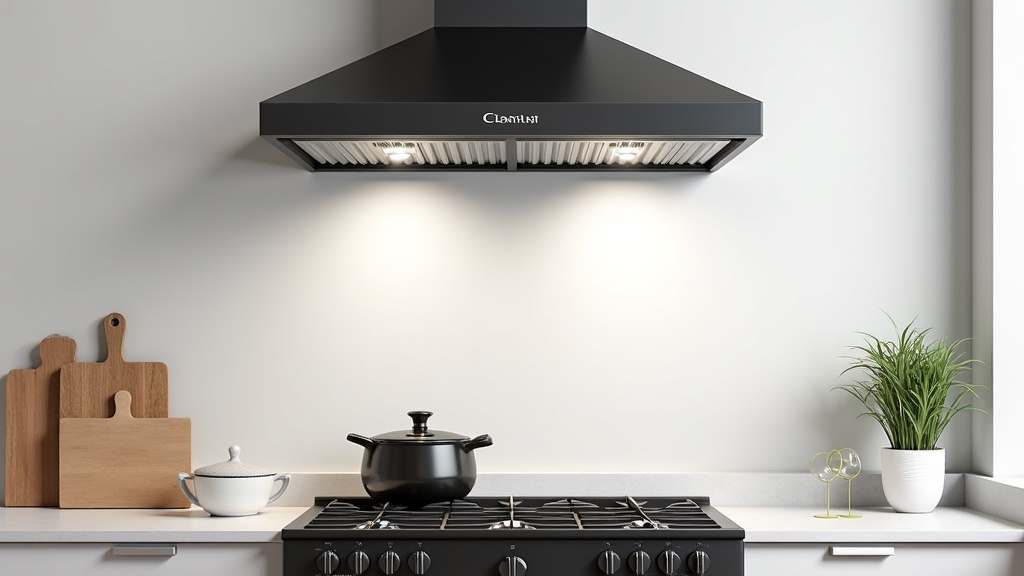
This is the classic design you probably picture. A wall-mounted hood attaches directly to your wall, extending out over a range that’s pushed against the same wall. It’s a **straightforward solution** for many standard kitchens. You’ll find sleek, chimney-style models that hide the vent pipe inside a decorative cover, giving a clean, built-in look.
This style works best when your stove is against a wall. It allows for a direct, short vent path to the outside, which is great for performance. If you’re doing a kitchen remodel, this is often the most logical and efficient choice.
Island-Mounted (Ceiling-Mount) Hoods
Do you have a gorgeous range on a kitchen island? You’ll need a hood that can hang from the ceiling. Island hoods are designed to do exactly that. They are **suspended independently**, often with a decorative chimney that runs up to the ceiling to house the ductwork.
Because they’re out in the open, these hoods often become a visual centerpiece. They tend to be wider and more powerful to effectively capture smoke and steam rising from an island without any surrounding walls to help corral it. Remember, proper installation here is key for both aesthetics and function.
Under-Cabinet Hoods
As the name implies, these hoods install **directly under a kitchen cabinet**, above your range. They are a popular, space-saving choice. The venting ductwork typically runs up through the cabinet and into the ceiling or wall behind it.
These are great for tighter spaces or kitchens where you want to keep cabinetry consistent. Many are compact and designed for apartments or smaller kitchens. While they can be very effective, their performance sometimes depends on the size of the cabinet above them.
Understanding How They Vent Air: Ducted vs. Ductless
After mounting, the next big question is: where does all that smoke, steam, and grease go? This is the core of a hood’s job. You’ll face a choice between two primary ventilation methods.
Ducted (Vented) Range Hoods
A ducted hood is the **gold standard for performance**. It uses a fan to pull contaminated air from your kitchen and push it outside through a duct. Think of it as an exhaust pipe for your stove. Most experts and building codes strongly recommend ducted ventilation for its superior removal of heat, moisture, and airborne grease.
Installing a ducted hood requires a clear path to the outdoors—through a wall, the ceiling, or the soffit. It’s the most effective way to actually remove pollutants from your home, rather than just moving them around.
Ductless (Recirculating) Range Hoods
What if running a duct outside isn’t possible? Maybe you live in a condo or have an island with no easy exterior route. That’s where ductless hoods come in. They pull air in, pass it through a **multi-layer charcoal filter**, and then blow the cleaned air right back into your kitchen.
The honest truth is, they are less effective than ducted models. They can’t remove heat or moisture, and the filters need regular replacement to work properly. However, they still capture and reduce a significant amount of cooking grease and odor. For small, light cooking tasks, they can be a viable solution.
A Note on Convertible Hoods
Many hoods are sold as “convertible.” This means they can be set up as ducted OR ductless, depending on your needs. A convertible hood often comes with both the external duct adapter and a recirculating kit. This flexibility is great if your situation might change in the future, or if you want to try ducted first but have a backup plan.
The Importance of CFM and Size
Now that we’ve covered types, let’s talk numbers. Two specs matter more than any others: the **size of the hood** and its **CFM (Cubic Feet per Minute)**.
The hood should be at least as wide as your cooktop. A 30-inch range needs a 30-inch hood, and a 36-inch range needs a 36-inch one. Going wider is fine; going narrower is not. It’s a simple rule of thumb to ensure the hood covers your cooking surface.
CFM measures airflow—how much air the hood can move. Higher CFM means more powerful ventilation. But more power isn’t always better. An overly powerful hood on a small, ductless system can actually backdraft and pull conditioned air out of your house. A good general guideline for ducted hoods is to aim for about 100 CFM per linear foot of range width (so a 30-inch/2.5-foot range would need around 250 CFM). For a standard 30-inch electric range, 250-300 CFM is often sufficient. For a high-BTU gas range, you might need 400-600 CFM or more.
Quick Guide to CFM for Common Ranges
| Range Type | General CFM Recommendation (Ducted) |
|---|---|
| Standard 30″ Electric Range | 250 – 300 CFM |
| Standard 30″ Gas Range | 300 – 400 CFM |
| High-Power Gas Range / Dual Fuel | 400 – 600+ CFM |
| Induction Cooktop (High Power) | 250 – 350 CFM |
Source: General guidance from appliance manufacturers and home improvement resources.
Specialty and Niche Hood Designs
Beyond the big three mounting styles and the ducted/ducted choice, you might encounter some more unique designs. These solve specific problems.
Downdraft Ventilation
This is the opposite of an overhead hood. A downdraft vent is built into the countertop or the back of the range itself. When activated, **vents rise up** or pull air downward and out through ducting below the floor or through a wall. They are great for maintaining an open, unobstructed look, especially with island cooktops. However, physics makes them less efficient at capturing steam that rises quickly. Many experts note they work best for lighter cooking and may need a booster fan for heavy-duty frying.
Professional-Style (Commercial) Hoods
For the home chef who means serious business, pro-style hoods are larger, deeper, and significantly more powerful. They often feature **heavy-duty baffle filters** (which are dishwasher-safe) and high-CFM blowers. These hoods are designed for high-heat, long-duration cooking. Keep in mind, they can be noisy and may require makeup air systems if they move more than 400 CFM in some building codes, to replace the air being exhausted from your home.
Choosing Your Hood: A Practical Checklist
Feeling a bit overwhelmed? Let’s simplify. Before you buy, run through this quick checklist. It will help match a hood to your real-life kitchen.
- Know your stove placement: Against a wall (wall-mount), on an island (island-mount), or under a cabinet (under-cabinet)?
- Check venting options: Can you easily run a duct outside? If not, you’ll focus on ductless or downdraft models.
- Measure precisely: Your hood must be at least as wide as your cooktop. Measure twice!
- Consider noise level: Look for sone ratings. A quiet hood is often under 1.5 sones; 4+ sones is loud conversation level.
- Think about cooking habits: Do you sear steaks often (high CFM needed) or mostly steam veggies (standard CFM may suffice)?
Final Thought: It’s About Air Quality
Ultimately, a range hood isn’t just an appliance—it’s a **health and safety device**. Proper ventilation removes airborne grease, combustion products, fumes, and smoke from your kitchen air. The Environmental Protection Agency (EPA) highlights the importance of good ventilation for indoor air quality. So, while style and noise matter, prioritize a hood that can actually do its job for the way you cook. You’re not just buying a gadget; you’re investing in a cleaner, safer home.
Conclusion
You now have a clear map of the range hood landscape. There are three main mounting styles (wall, island, under-cabinet) and two primary venting methods (ducted and ductless). Specialty designs like downdraft or professional hoods solve specific needs. Your best choice depends on your kitchen layout, how you cook, and whether you can vent outside. Use the checklist from the article to match your specific situation. Now, you can confidently shop for a hood that keeps your kitchen air clean and safe. Your health and cooking comfort are worth the right pick.
Frequently Asked Questions
What is the most common type of range hood for a small apartment kitchen?
An under-cabinet hood is often the best fit for small apartments. It saves space by mounting directly beneath your existing cabinets. Many models are compact and designed for smaller cooking areas.
Can I install a ductless hood if my stove is on an island?
Yes, you can install a ductless hood over an island, but it may not be as effective. Island hoods without ducts must filter and recirculate air, which can be less powerful for heavy cooking. A ducted island hood is generally a stronger performer.
What is the difference between a chimney-style and a canopy-style hood?
A chimney-style hood has a decorative cover that hides the ductwork, giving a sleek look. A canopy-style hood is more open and often used in professional kitchens. Both can be wall-mounted, but the chimney style is more common in modern homes.
How do I know if I need a professional-style range hood?
You likely need a professional-style hood if you cook frequently with high heat, use a gas range over 40,000 BTU, or do long cooking sessions. These hoods are larger, more powerful, and designed for heavy-duty use. They often require more maintenance and may need a makeup air system.
Are there range hoods that work without any ductwork at all?
Yes, these are called ductless or recirculating hoods. They pull in air, filter it through charcoal, and release it back into the kitchen. They are a good option where external venting is impossible, but they need regular filter changes.