How Does Charcoal Filter Venting Work? The Real Answer
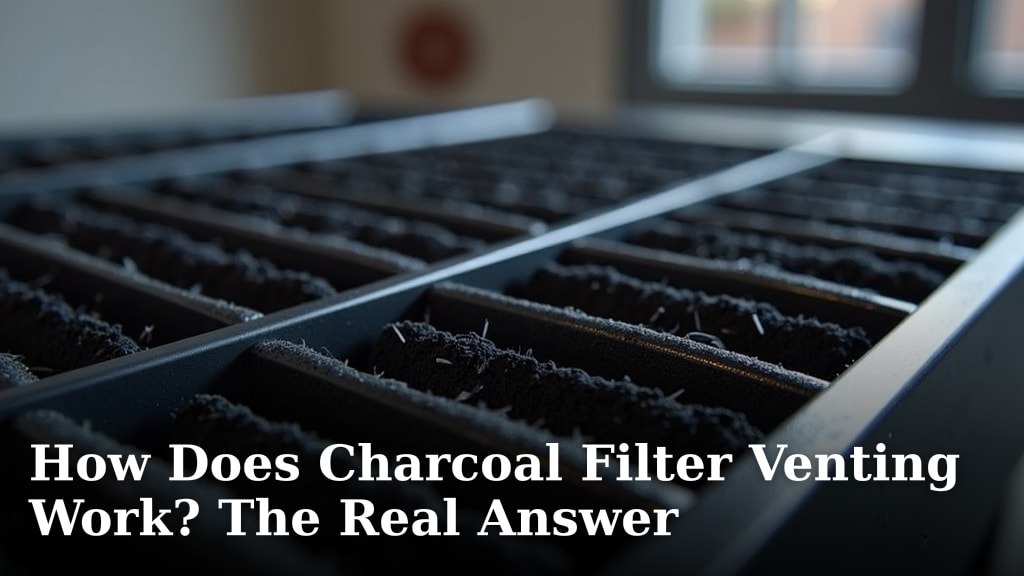
Yes, a charcoal filter works by adsorbing odors and impurities. Tiny pores in the activated charcoal trap airborne particles, like magic! This process, called adsorption, is how charcoal filters effectively clean the air you breathe. It’s a simple yet powerful way to remove smells from your kitchen.
When cooking fumes, grease, or steam get pulled towards your range hood, they pass through this charcoal layer. The activated charcoal has a massive surface area. This allows it to grab and hold onto odor molecules and microscopic bits of food. It’s a common and reliable method for keeping your kitchen smelling fresh.
- Charcoal filters trap odors and particles.
- They use a process called adsorption.
- Activated charcoal has a huge surface area for grabbing smells.
- This is a standard way to clean kitchen air.
Let’s break down exactly how this happens and why it makes such a difference in your home. We’ll go step by step to show you the science behind it.
Understanding How Charcoal Filters Clean Your Air
So, you’ve got a range hood, and it has a charcoal filter. You’re probably wondering how this little black component actually cleans the air. It’s not complicated, but understanding the science behind it helps you appreciate why it’s there.
Your range hood’s job is to remove smoke, grease, and cooking odors from your kitchen. When your hood is set to recirculate air (meaning it doesn’t vent outside), the charcoal filter becomes the star player. It’s the mechanism that makes your kitchen smell better and keeps the air fresher.
The Science of Adsorption: How Charcoal Works Its Magic
The main way a charcoal filter works is through a process called adsorption. This isn’t the same as absorption, where a substance soaks something up like a sponge. Adsorption is more like sticking. Think of it like static cling for smells.
The activated charcoal has an incredibly porous surface. These pores are microscopic, meaning you can’t see them with the naked eye. Researchers have found that activated charcoal can have a surface area of over 500 square meters per gram. That’s a lot of space for tiny odor molecules to cling to!
Activated Charcoal vs. Regular Charcoal
You might be thinking, “Isn’t all charcoal the same?” Not quite. For air filters, we use activated charcoal. This special type of charcoal is treated with oxygen. This treatment opens up more pores and makes its surface even more receptive to trapping impurities.
This activation process is what makes it so effective. Regular charcoal might have some filtering ability, but activated charcoal is specifically designed for this purpose. Many industrial and home air purification systems rely on this activated form.
The Journey of Air Through the Filter
When you turn on your range hood and it’s not venting outside, the fan pulls air from your kitchen. This air, carrying cooking smells, grease particles, and steam, is drawn upwards. It then passes through the charcoal filter. This is where the cleaning happens.
Imagine the air as a stream flowing through a special kind of net. The net is made of activated charcoal. The odors and tiny particles are like bits of debris that get caught in the net’s fine mesh. The cleaner air then continues its journey.
What Exactly is Being Trapped?
The primary targets for a charcoal filter are odor molecules. When you cook, especially things like fish, onions, or garlic, these foods release volatile organic compounds (VOCs). These compounds are what we perceive as smells. The activated charcoal’s surface attracts and holds onto these VOCs.
Beyond smells, grease particles from frying or sautéing also get captured. While the main grease filter in your hood catches larger bits, the charcoal filter can trap some of the finer airborne grease particles. This helps keep your hood and cabinets cleaner. Some studies have also shown its ability to trap other airborne contaminants.
Why Recirculating Hoods Need Charcoal Filters
Range hoods can work in two main ways: venting outside or recirculating air. Venting outside is like opening a window for your kitchen air; it all goes out. Recirculating hoods, on the other hand, clean the air and send it back into the kitchen.
This is where the charcoal filter becomes essential. Without it, a recirculating hood would just blow the smoky, smelly air back into your kitchen. The charcoal filter is the “cleaning station” that makes recirculating air actually effective. Without it, the hood would just be a fan. You need both the main filter and the charcoal filter.
When Venting Outside Isn’t an Option
Many homes, especially apartments or older houses, don’t have the option to vent a range hood directly outside. Installing an external vent can be costly and complex. In these situations, a recirculating range hood with a charcoal filter is your best bet. It provides a practical solution for improving kitchen air quality.
This is why you’ll find charcoal filters as a standard feature in many ductless range hoods. They are designed to be a self-contained system for keeping your kitchen air manageable. It’s a common setup, and understanding its function is key to its proper use.
The Lifespan of a Charcoal Filter
Charcoal filters don’t last forever. Because they are actively trapping odors and particles, they eventually become saturated. Think of that net again; eventually, it gets too full of debris to catch anything new.
The exact lifespan varies based on how often you cook and what you cook. Heavy frying or cooking strong-smelling foods will clog the filter faster. Most manufacturers recommend replacing charcoal filters every 3 to 6 months. Some sources, like appliance repair guides, suggest checking them monthly.
Signs Your Charcoal Filter Needs Replacing
How do you know when it’s time? The most obvious sign is when your kitchen still smells like what you cooked, even after running the hood. If you used to have fresh air and now you don’t, that’s a strong indicator. You might also notice a general reduction in air freshness.
If you notice your range hood seems less effective at clearing the air, it could be the charcoal filter. It’s also a good idea to check your owner’s manual for specific replacement recommendations. Keeping a log of when you last changed it can be helpful.
Can You Clean a Charcoal Filter?
This is a common question, and the short answer is: generally, no, you cannot effectively clean a charcoal filter for reuse in a range hood. Unlike the metal mesh filters that catch grease, which can often be washed, charcoal filters work through adsorption.
Once the activated charcoal has trapped its maximum capacity of odor molecules, it can’t be easily “unclogged.” Washing it won’t remove the trapped molecules. Some older or DIY methods might suggest baking charcoal, but for range hoods, replacement is the standard and recommended practice. It ensures optimal performance.
Why Replacement is Necessary
When a charcoal filter is saturated, it stops working. It can no longer adsorb new odor molecules. In fact, a full filter might even reduce airflow, making your range hood less efficient overall. For this reason, consistent replacement is key to maintaining good kitchen air quality.
Think of it like changing the ink in your printer. You can’t magically refill an empty cartridge; you need a new one to keep printing. Similarly, a depleted charcoal filter needs to be swapped out for a fresh one to keep your air clean.
Choosing the Right Replacement Filter
When it’s time to buy a new charcoal filter, make sure you get the correct one for your specific range hood model. Filters are not universal. They are designed to fit particular hood sizes and types. Using the wrong filter might not seal properly, allowing air to bypass it.
Check your range hood’s manual or look for a model number on the unit itself. Online retailers and appliance parts stores will list compatible filters. Many major brands offer replacement kits that include both the charcoal and any necessary mesh filters. This makes the process simpler.
A Quick Checklist for Your Charcoal Filter:
- Confirm your hood recirculates air and has a charcoal filter.
- Note the manufacturer’s recommended replacement interval (e.g., 3-6 months).
- Watch for signs of reduced effectiveness (lingering cooking odors).
- Do NOT try to wash or reuse old charcoal filters for range hoods.
- Always buy the specific replacement filter designed for your hood model.
- Replace the filter promptly to maintain good air quality.
Conclusion
You now understand how your range hood’s charcoal filter works to keep your kitchen air fresh. It uses adsorption, where activated charcoal’s tiny pores trap odors and fine grease particles. This process is vital for recirculating hoods, especially when venting outside isn’t possible. Remember, these filters get saturated over time and need replacement, typically every 3 to 6 months, to stay effective. Don’t try to clean them; always opt for a fresh filter for optimal performance. Your next step is to check your range hood’s manual and note your filter’s replacement schedule so you can maintain a cleaner, fresher kitchen.
Frequently Asked Questions
How often should I replace my charcoal filter?
Most manufacturers recommend replacing your charcoal filter every 3 to 6 months. This can vary based on how often you cook and the types of food you prepare. Heavy use, like frequent frying, means you might need to replace it more often.
Can I wash my charcoal filter instead of replacing it?
No, you should not try to wash a charcoal filter for your range hood. The odors and particles are trapped within the charcoal’s pores through adsorption. Washing will not remove these trapped substances, and it will not restore the filter’s effectiveness.
What happens if I don’t replace my charcoal filter?
If you don’t replace a saturated charcoal filter, it will stop effectively trapping odors and fine particles. This means cooking smells will linger in your kitchen longer. A full filter can also reduce airflow, making your range hood less efficient overall.
Are all charcoal filters the same for every range hood?
No, charcoal filters are not universal. They are designed for specific range hood models and brands. Always check your range hood’s manual or model number to ensure you purchase the correct replacement filter for a proper fit and effective performance.
Will a charcoal filter remove all cooking smells?
Charcoal filters are very effective at trapping common cooking odors, such as those from fish, garlic, or onions, by adsorbing their molecules. While they significantly reduce smells and improve air freshness, they may not eliminate every single trace of every odor, especially with very strong or prolonged cooking.