Can You Vent a Range Hood Horizontally? What You Should Know
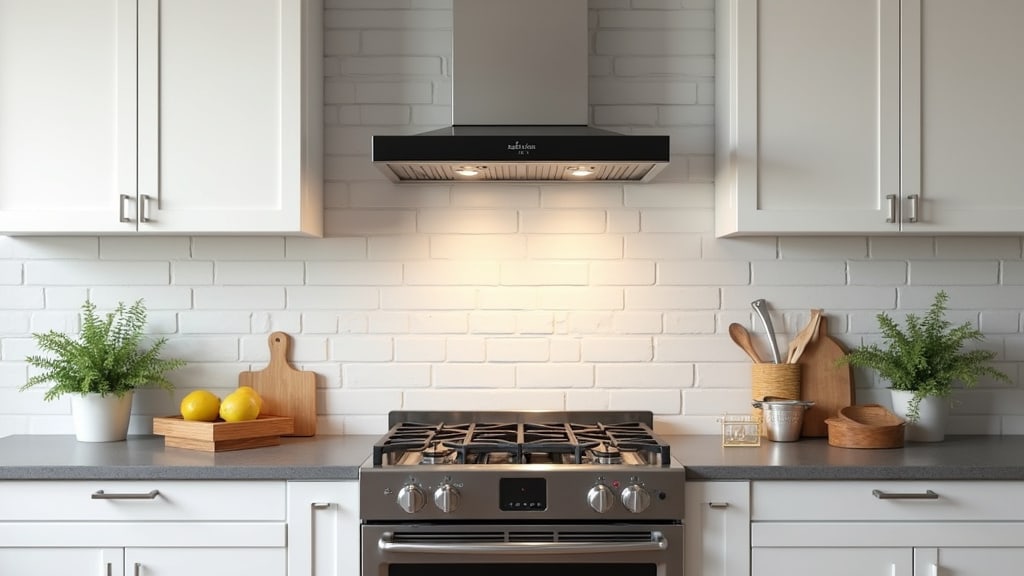
Yes, you can often vent a range hood horizontally, but it’s not always the best solution and depends on your specific setup. You’ll need to ensure it meets local building codes and that the ductwork is properly installed for effective ventilation. This method allows you to route exhaust through an exterior wall when a vertical path isn’t possible.
When venting horizontally, the primary goal is to move smoke and grease away from your kitchen effectively. We found that the distance and the number of turns in your ductwork can impact how well your range hood performs. Proper sealing is also critical to prevent leaks and maintain airflow efficiency.
- Yes, horizontal venting is possible for range hoods.
- Check local codes and manufacturer instructions first.
- Horizontal runs need careful planning for good airflow.
- Minimize turns and keep duct runs as short as possible.
- Proper sealing of all connections is essential.
Let’s walk through what you need to know to decide if horizontal venting is the right choice for your kitchen.
Horizontal Range Hood Venting: What You Need to Know
Yes, you can often vent your range hood horizontally. This means running the ductwork through an exterior wall instead of straight up through the roof. It’s a common solution when your kitchen layout makes a vertical vent impossible or impractical. But, there are some important things to consider before you decide this is the right path for your kitchen. This article explains why you might need a range hood for your kitchen.
Why Consider Horizontal Venting?
Sometimes, the ideal vertical path is blocked. Maybe you have attic obstructions, a low ceiling, or the kitchen is simply too far from an exterior wall for a straight shot upwards. Horizontal venting offers a way around these challenges. It allows you to exhaust cooking fumes and grease outside your home through the nearest available wall. We found that this flexibility makes it a popular choice for many homeowners.
Key Factors for Successful Horizontal Venting
While possible, horizontal venting isn’t always as efficient as vertical venting. Several factors can impact its performance. You’ll want to pay close attention to these to ensure your range hood works as well as it should.
1. Duct Length and Turns
This is perhaps the most critical aspect of horizontal venting. The further the air has to travel, and the more times it has to change direction, the harder your range hood motor has to work. This can lead to reduced airflow and less effective capture of smoke and grease. Many experts recommend keeping the total duct run as short as possible.
We found that every bend or elbow in your ductwork acts like a speed bump for the air. A sharp 90-degree turn is much more restrictive than a gentle sweep. For optimal performance, try to limit the number of turns. If you must use turns, use smooth, gradual bends rather than sharp angles. This helps maintain better airflow throughout the system.
2. Duct Diameter and Material
Using the correct duct diameter is essential. Your range hood’s manufacturer will specify the recommended duct size. If you use a duct that’s too small, it restricts airflow, making the fan work harder and noise louder. If it’s too large, you might experience reduced air velocity, which can lead to grease and moisture buildup. Most residential range hoods require a 6-inch round duct, but always check your specific model’s manual.
The material of your ductwork also matters. Smooth metal ducts (like aluminum or galvanized steel) are generally preferred over flexible ducts. Flexible ducts can trap grease and debris, are more prone to damage, and often have a corrugated interior that further restricts airflow. While flexible ducting might seem easier to install, rigid, smooth ducting is usually the better long-term choice for efficiency and maintenance, especially for horizontal runs.
3. Sealing and Air Leaks
This is a step you absolutely cannot afford to skip. Any gaps or leaks in your horizontal ductwork can allow cooking fumes and grease to escape into your walls or attic. This can lead to odors, fire hazards, and damage to your home’s structure. Proper sealing is vital for safety and effectiveness.
We found that using the right materials is key. High-temperature foil tape or mastic sealant are generally recommended for sealing all joints and seams. Screwing the duct sections together securely before sealing them provides a strong connection. Think of it like sealing an envelope perfectly – you don’t want anything getting in or out that shouldn’t.
4. Proper Termination and Exterior Vent Cap
The end of your horizontal duct run needs careful attention. You’ll need an exterior vent cap designed for range hood exhaust. This cap should have a damper to prevent outside air from coming back into your kitchen when the hood isn’t running. It also helps keep out pests and rain.
Make sure the vent cap is installed correctly on your exterior wall. It should be positioned away from windows, doors, and air intakes to prevent exhaust from re-entering your home. Many building codes have specific requirements for vent termination locations. Ensure your cap is securely fastened and sealed to the house to prevent water intrusion.
Understanding Performance Differences
It’s important to be realistic about performance. Horizontal venting can sometimes be less powerful than a well-designed vertical system. This is due to the factors we’ve discussed – increased resistance from duct length and turns.
A range hood’s effectiveness is measured in Cubic Feet per Minute (CFM). This rating tells you how much air the fan can move. However, the actual CFM you get at the hood will be lower than the advertised rating, especially with longer or more complex duct runs. For horizontal venting, you might need a hood with a higher CFM rating than you would for a direct vertical vent to achieve comparable results. Many HVAC professionals suggest adding a buffer to your CFM needs when planning a horizontal run.
Local Building Codes and Manufacturer Guidelines
Before you even buy materials, do your homework. Local building codes are there for a reason – to ensure safety and proper installation. These codes often have specific rules about ductwork length, the types of materials allowed, and how vents must terminate. Ignoring these can lead to failed inspections, costly rework, or even safety hazards.
Always consult your range hood manufacturer’s installation manual. It will provide specific requirements and recommendations for your model. Some manufacturers may have limitations or warnings regarding horizontal venting. Following their guidelines ensures your warranty remains valid and that the appliance operates as intended.
What to Look for in a Horizontal Venting Setup
When planning your horizontal vent, keep these best practices in mind. They’ll help you achieve the best possible performance from your system.
- Shortest Possible Run: Aim for the most direct route to the exterior wall.
- Minimize Turns: Use as few elbows as possible, and opt for gentle curves.
- Correct Duct Size: Never reduce the duct size specified by the manufacturer.
- Smooth Interior: Use rigid, smooth-walled ducting for better airflow.
- Secure Connections: Screw all duct joints together before sealing them.
- Airtight Sealing: Use appropriate tape or mastic on every connection.
- Proper Exterior Cap: Install a vent cap with a backdraft damper.
When Horizontal Venting Might Not Be Ideal
While horizontal venting is a viable option, it’s not always the best. If you have very long distances to cover, numerous sharp turns, or if your cooking habits produce exceptionally heavy smoke and grease, a horizontal run might struggle to keep up. In such cases, exploring alternative solutions, like a different hood model or even re-evaluating the kitchen layout, might be worth considering.
We found that homeowners who have extensive duct runs often notice a difference in fan noise and exhaust effectiveness. If your kitchen is particularly large or you’re a heavy cook, pay extra attention to the ductwork details. It can make a big difference in your comfort and air quality.
Checklist for Your Horizontal Venting Project
Before you start, or before you hire someone, run through this quick checklist:
- Have you checked your local building codes for vent requirements?
- Does your range hood manual allow for horizontal venting?
- Is the planned duct run as short and straight as possible?
- Do you have the correct size and type of ducting?
- Are you prepared to seal all connections thoroughly?
- Will the exterior vent cap be installed properly and safely?
Conclusion
Venting your range hood horizontally is certainly possible, offering a practical solution when a vertical path isn’t an option. We’ve seen that success hinges on careful planning. You’ll need to prioritize short duct runs, minimize turns, and use the correct materials for optimal airflow. Always double-check local building codes and your manufacturer’s manual before starting. By addressing these key factors, you can ensure your kitchen remains free of smoke and grease, creating a more comfortable cooking environment. Your next step should be to assess your specific kitchen layout and duct path, then gather the necessary code-compliant materials.
Frequently Asked Questions
Can I use flexible ducting for horizontal range hood venting?
While flexible ducting might seem easier to install horizontally, it’s generally not recommended. Its corrugated interior restricts airflow and can trap grease, leading to reduced efficiency and potential fire hazards. Rigid, smooth-walled ducting is the preferred choice for better performance and easier maintenance.
How many turns are too many for a horizontal duct run?
We found that each turn or elbow in your ductwork significantly increases resistance. For optimal performance, try to keep the number of turns to an absolute minimum – ideally, no more than two 90-degree elbows. If you must use turns, opt for smooth, gradual bends instead of sharp ones.
What size duct should I use for horizontal venting?
Always refer to your range hood’s manufacturer’s installation manual for the recommended duct size. Typically, most residential range hoods require a 6-inch round duct. Using a duct that is too small will restrict airflow and strain the motor, while a duct that is too large can reduce air velocity.
Do I really need to seal every connection on a horizontal vent?
Yes, sealing is absolutely critical. Any gaps or leaks in your horizontal ductwork can allow smoke, grease, and odors to escape into your walls or attic. This not only creates unpleasant smells but also poses a fire risk. Use high-temperature foil tape or mastic sealant on all joints for an airtight seal.
Can horizontal venting make my range hood less powerful?
It can, because of the increased resistance from duct length and turns. This means the actual airflow you get might be lower than the hood’s advertised CFM rating. For horizontal venting, it’s often advisable to select a range hood with a slightly higher CFM than you might need for a direct vertical vent to compensate for potential performance loss.