What Is an Insert Range Hood? A Kitchen Guide
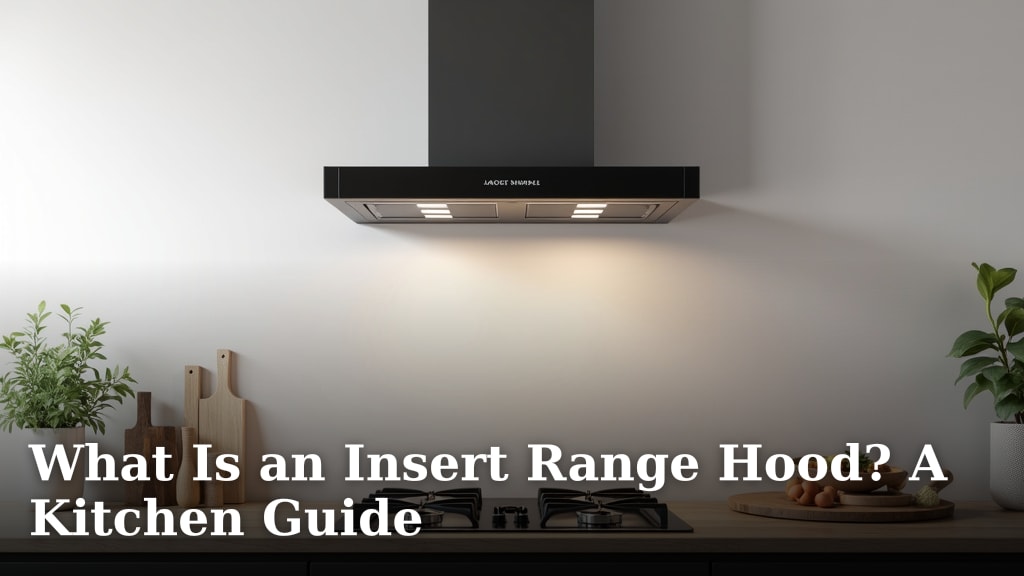
An insert range hood is a ventilation system designed to fit inside your custom cabinetry, like a cabinet hood or a liner hood. It quietly pulls smoke, grease, and odors out of your kitchen. This type of hood offers a sleek, built-in look without a bulky external presence.
Unlike freestanding hoods, insert hoods blend seamlessly into your kitchen design. They are perfect for homeowners who want powerful ventilation but prefer a minimalist aesthetic. You get efficient kitchen air purification without compromising your cabinet style.
- What it is: A ventilation system hidden inside custom cabinets.
- Key benefit: Offers powerful air cleaning with a sleek, integrated look.
- Why choose it: Ideal for a minimalist kitchen design where appliances are concealed.
- Function: Removes smoke, grease, and cooking odors effectively.
Ready to learn more about how these hidden helpers work and if one is right for your kitchen? Let’s dive into the details.
Understanding the Insert Range Hood Concept
So, what exactly is an insert range hood and why might you want one? Simply put, it’s a powerful ventilation unit designed to be built into your custom cabinetry. Think of it as the hidden engine that keeps your kitchen air fresh. It’s not something you see hanging down from the ceiling; instead, it’s tucked away, out of sight.
The main goal of any range hood is to clear the air while you cook. It pulls out smoke, steam, grease, and those lingering cooking smells. An insert range hood does this job effectively but does it with a minimalist approach. This makes it a fantastic choice if you love a clean, uncluttered kitchen look.
How Insert Range Hoods Work Their Magic
At its core, an insert range hood is a system of fans and filters. When you turn it on, the fans draw air upwards from your cooktop. This air then passes through grease filters, which capture oil and other particles. After that, the air is either vented outside your home or recirculated back into the kitchen through charcoal filters.
The filtration process is key to its effectiveness. Grease filters are usually made of metal mesh or baffle designs. They need regular cleaning to keep the hood working efficiently. If the hood is designed for recirculating air, it will also have charcoal filters. These filters help to absorb odors and smoke.
Ducted vs. Ductless Insert Hoods
You’ll find insert range hoods come in two main types: ducted and ductless (also known as recirculating). The choice between them depends largely on your kitchen’s setup and your ventilation needs.
Ducted insert range hoods are connected to a duct system that leads outside your home. This is the most effective way to remove smoke, grease, and odors. All the airborne particles are physically expelled from your kitchen. This type generally offers superior air purification. Many building codes actually recommend or require external venting for gas ranges.
Ductless insert range hoods, on the other hand, don’t have an external vent. They pull air through grease filters and then through charcoal filters. The cleaned air is then blown back into the kitchen. While they capture grease, their ability to remove odors and smoke is less efficient than ducted systems. They are often chosen when running ductwork is difficult or too costly.
The Design Advantages of an Insert Hood
The biggest draw for insert range hoods is their invisible integration. They are designed to be hidden within a custom cabinet. This means you don’t have a prominent appliance sticking out from your wall or ceiling. Your cabinetry can flow uninterrupted, creating a very clean and modern aesthetic.
This design choice is perfect for homeowners who want a streamlined kitchen. If you’ve invested in beautiful custom cabinetry, an insert hood lets that design shine. It avoids visual clutter and allows other kitchen elements, like your backsplash or countertops, to take center stage. It’s a way to get top-notch ventilation without sacrificing your design vision.
Cabinet Integration: A Closer Look
Insert hoods are built to fit into specific cabinet openings. You’ll often see them referred to as “under-cabinet” or “liner” hoods. They are typically installed in the cabinet directly above your range or cooktop. The visible part is usually just a slim pull-out panel or a metal liner that blends in.
When you’re planning your kitchen cabinets, your cabinet maker will create a space for the insert hood. The unit itself will then slide into this space. This requires careful planning to ensure the dimensions match perfectly. It’s a custom solution that results in a factory-finished look.
| Type | How it Works | Pros | Cons |
|---|---|---|---|
| Ducted Insert | Vents air outside through ducts. | Most effective at removing smoke, grease, and odors. | Requires external ductwork installation, can be more costly. |
| Ductless Insert (Recirculating) | Filters and recirculates air within the kitchen. | Easier to install, no external ductwork needed. | Less effective at odor and smoke removal, charcoal filters need regular replacement. |
Key Features to Look For in an Insert Range Hood
When you start shopping for an insert range hood, you’ll notice a few common features. Understanding these can help you pick the right one for your cooking habits and kitchen.
Fan Power: Cubic Feet per Minute (CFM)
The fan’s power is measured in CFM, which stands for Cubic Feet per Minute. This tells you how much air the hood can move. For standard electric cooktops, 100-200 CFM might be enough. However, for gas ranges, especially those with high BTU burners, you’ll need more power. Many experts recommend at least 1 CFM per 100 BTUs of your cooktop’s output (National Fire Protection Association).
A good rule of thumb is to aim for a CFM rating that’s at least 10 times the square footage of your kitchen. For example, a 150 sq. ft. kitchen might benefit from a hood around 1500 CFM if you do a lot of heavy cooking. It’s better to have a bit more power than you need, as you can always run the hood on a lower setting. Over-filtering is usually not an issue.
Noise Level: The “Sone” Factor
Range hoods can be noisy. The sound level is measured in sones. A lower sone rating means a quieter fan. Many residential hoods operate between 1 to 7 sones. For a quieter kitchen experience, look for models with ratings of 2 sones or less. Some high-end models are even quieter.
You’ll often find the CFM and sone ratings listed together. A hood with high CFM might also be louder. However, advancements in design mean you can find powerful hoods that are also surprisingly quiet. Always check the manufacturer’s specifications for sound ratings.
Filter Types and Maintenance
As we touched on, filters are crucial. For ducted hoods, the main filters are grease filters. These are usually removable and washable, often made of aluminum or stainless steel. Baffle filters are generally considered more effective at capturing grease than mesh filters and are easier to clean.
For ductless models, you’ll have both grease filters and activated charcoal filters. The charcoal filters are the ones that get saturated over time and need replacement. Depending on how often you cook, you might need to replace these every 3 to 12 months. This is an ongoing cost to consider for recirculating hoods.
Lighting Features
Most insert range hoods come with built-in lighting. This is super helpful for illuminating your cooking surface. LED lights are becoming standard because they are energy-efficient and long-lasting. Some hoods offer adjustable brightness or different light temperatures.
Consider how much light you need for your cooking space. If you often cook in low light conditions, brighter or more numerous lights might be beneficial. Some hoods also have timers or smart features for their lights.
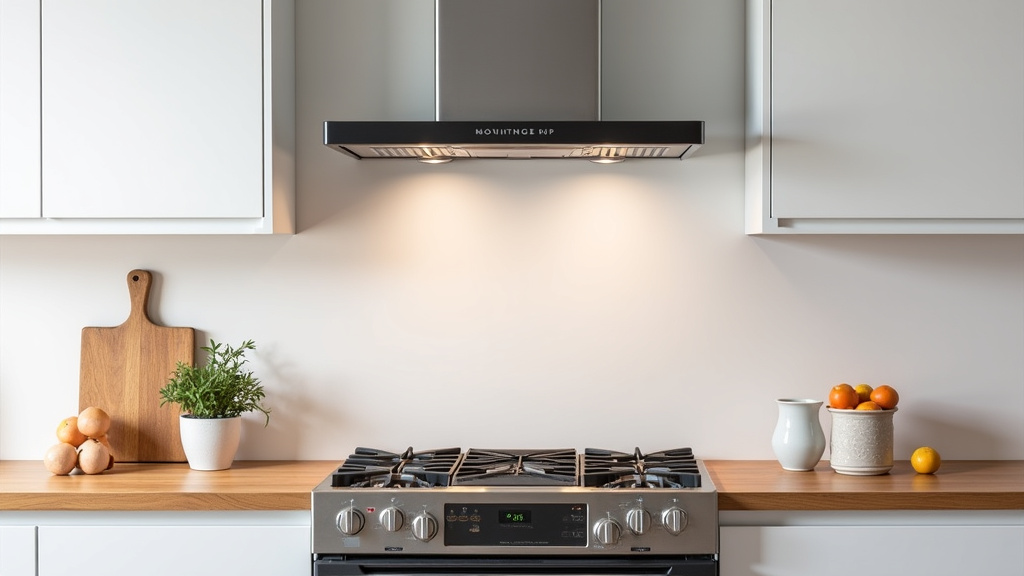
Choosing the Right Insert Range Hood for Your Needs
Selecting the perfect insert range hood involves thinking about your specific kitchen and cooking style. It’s not a one-size-fits-all situation.
Assessing Your Cooking Habits
Do you love to sear steaks, stir-fry, or fry foods often? These activities produce a lot of smoke and grease. If so, a high-CFM ducted hood is likely your best bet. If you mainly boil water or make simple meals, a less powerful or even a ductless model might suffice.
Your cooktop type also matters. Gas ranges, especially those with powerful burners, require more robust ventilation. Electric cooktops generally produce less airborne grease and steam. Always check the BTUs on your gas range to help determine the necessary CFM.
Considering Your Kitchen Layout
The feasibility of installing ductwork is a major factor. If you have an existing home with finished walls and ceilings, running ducts can be a big project. In such cases, a ductless insert hood might be the most practical option. However, remember the trade-off in filtration effectiveness.
The size of your kitchen also plays a role in CFM calculation. A larger kitchen will require a higher CFM to adequately clear the air without the fan running constantly at its highest, loudest setting.
Budget and Installation Costs
Insert range hoods can range in price from a couple of hundred dollars to well over a thousand. The cost will depend on the brand, features, CFM, and build materials. Don’t forget to factor in installation costs.
Installing a ducted system often involves hiring a professional contractor, which can add significantly to the overall expense. Ductless installations are usually simpler and less costly. Always get quotes for both the unit and the installation before making a final decision.
A Quick Checklist for Your Insert Hood Selection:
- Measure your cabinet opening accurately.
- Determine required CFM based on cooktop type and kitchen size.
- Decide between ducted or ductless based on installation feasibility.
- Check the sone rating for acceptable noise levels.
- Evaluate filter type and ease of cleaning/replacement.
- Consider built-in lighting needs.
Conclusion
An insert range hood offers a fantastic way to keep your kitchen air clean without compromising your carefully designed cabinets. You’ve learned how these units hide within your cabinetry, providing powerful ventilation with a minimalist look. Whether you choose a ducted or ductless model, understanding CFM, sones, and filter maintenance will help you find the right fit. Now that you know what an insert range hood is and what features to look for, your next step is to measure your cabinet space and start comparing models to find the one that best suits your cooking style and kitchen design.
Frequently Asked Questions
Are insert range hoods as effective as traditional ones?
Generally, ducted insert range hoods are just as effective as traditional externally mounted hoods. They efficiently remove smoke, grease, and odors by venting them outside. Ductless insert hoods are less effective, as they recirculate filtered air, which can leave some odors behind.
Can I install an insert range hood myself?
Installing a ductless insert range hood can be a DIY project for those comfortable with basic electrical and cabinet work. However, installing a ducted system often requires professional help to properly run ductwork through walls or ceilings, which can be complex.
How often do I need to clean or replace filters in an insert range hood?
Grease filters, typically metal mesh or baffle types, should be cleaned regularly, often monthly, depending on your cooking frequency. For ductless hoods, the charcoal filters will need replacement every 3 to 12 months, as they become saturated and lose their effectiveness.
Will an insert range hood work with any type of cooktop?
Yes, insert range hoods are designed to work with both gas and electric cooktops. For gas cooktops, especially those with high-BTU burners, it’s important to select a hood with a higher CFM rating to handle the increased heat and potential for grease.
What is the minimum CFM I should consider for my kitchen?
A good starting point for CFM is at least 100 CFM for electric cooktops and at least 1 CFM per 100 BTUs of your gas cooktop’s output. For larger kitchens or frequent heavy cooking, you’ll want to aim higher, potentially in the 300-600 CFM range or more.