What Is an Island Range Hood? The Key Facts
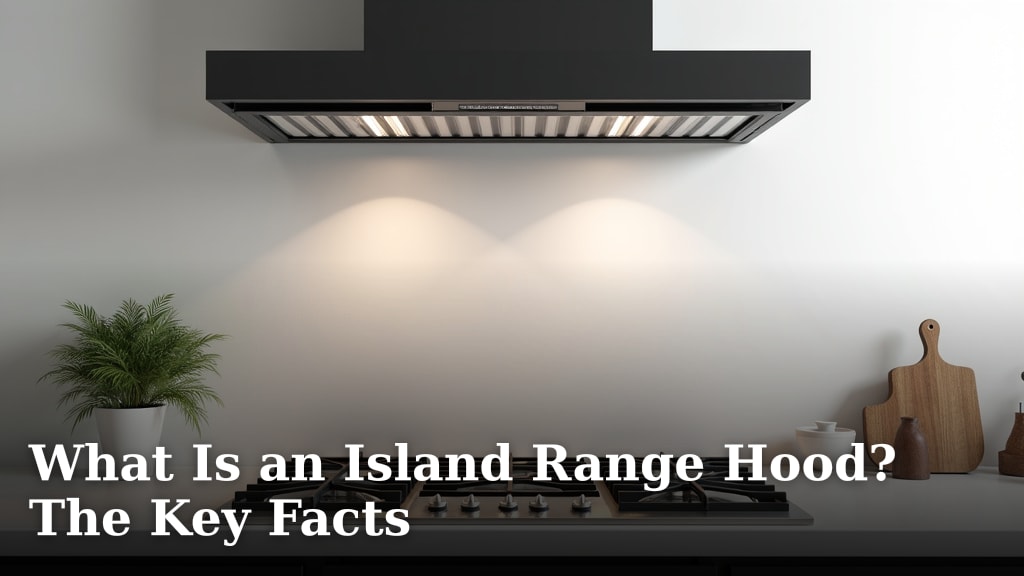
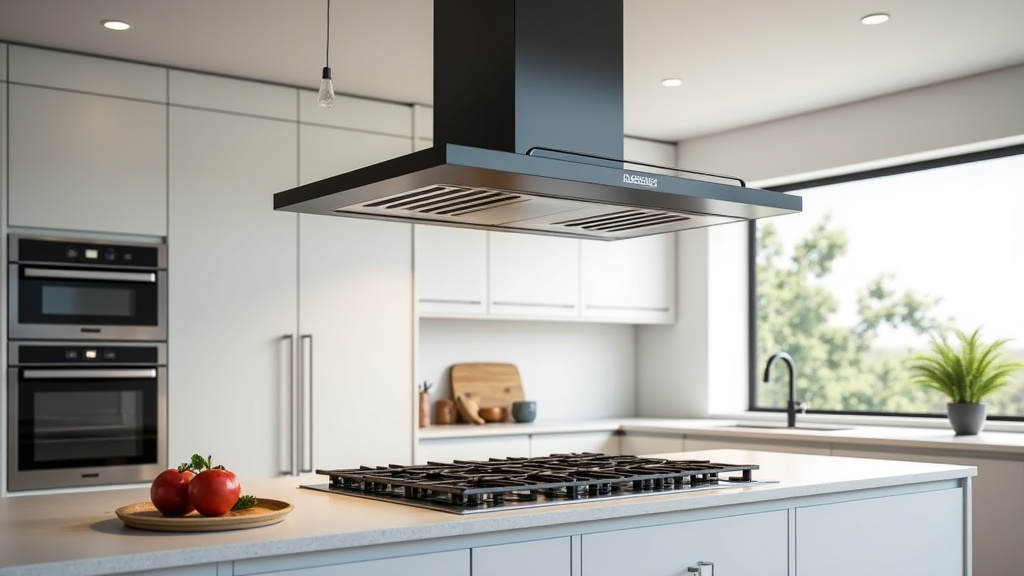
An island range hood is a ventilation unit that hangs from the ceiling directly over a kitchen island. It’s designed to capture cooking smoke, steam, and odors where they happen. Think of it as a stylish and effective way to keep your open-concept kitchen feeling fresh.
These hoods are a popular choice for kitchens with islands because they provide excellent ventilation right at the source of cooking. They also act as a central design element, drawing attention to your island and making it a focal point. We found that choosing the right size and style is key for both function and aesthetics.
- Island range hoods vent smoke and steam from above a kitchen island.
- They serve a dual purpose: ventilation and kitchen design.
- Choosing the right size and style is important.
- They help maintain air quality in open-plan kitchens.
Let’s dive into the key facts about island range hoods to help you decide if one is right for your kitchen.
Understanding the Island Range Hood
An island range hood is a kitchen ventilation system. It’s designed to be mounted on the ceiling above a kitchen island. This type of hood captures cooking smoke, grease, and odors right at the source. It’s often a popular choice for open-concept kitchens. Many people choose them for both their function and their decorative appeal.
Why Install an Island Range Hood?
You might be wondering why you’d need a special kind of hood for an island. Traditional range hoods are usually installed against a wall. An island sits in the middle of your kitchen. So, you need a hood that can handle ventilation from all sides. This keeps your open kitchen smelling and looking fresh.
Key Benefits for Your Kitchen
Island range hoods offer several advantages. They are excellent at removing airborne grease and cooking smells. This helps maintain cleaner air throughout your home. They also create a striking visual element. Many designs can become a focal point, adding style to your kitchen’s layout. We found that proper installation is key to getting the most out of these benefits.
Ventilation Powerhouse
The primary job of any range hood is to clean the air. Island hoods are engineered to do this effectively. They pull air upwards, filtering out grease and smoke. Some models also recirculate air after filtering it. Others vent the air directly outside through ductwork. This external venting is generally more effective at removing odors and moisture.
A Design Statement
Beyond its practical function, an island range hood is often a centerpiece. It draws the eye and can complement your kitchen’s overall design. From sleek stainless steel to modern geometric shapes, there’s a style to match almost any decor. Choosing a hood that looks good is just as important as ensuring it works well.
Types of Island Range Hoods
When you start looking, you’ll see a few main categories. Each type has its own characteristics and installation needs. Understanding these differences will help you find the best fit for your kitchen.
Ducted vs. Ductless (Recirculating)
The first big decision is whether you want a ducted or ductless system. Ducted hoods vent air and pollutants outside your home. This requires running ductwork through your ceiling and walls. Ductless hoods, also called recirculating hoods, filter the air and release it back into the kitchen. They use charcoal filters to remove odors. Ducted systems are generally more powerful at removing steam and odors. The first big decision is whether you want a ducted or ductless system, as this comparison of vent hoods and microwaves explains.
Mounting Styles
Island hoods come in different mounting styles. This affects how they are installed and their appearance.
Standard Ceiling Mount
These are the most common. They hang directly from the ceiling using a mounting bracket and a decorative chimney or support. They are designed to be a prominent feature.
Downdraft Systems
Downdraft hoods are different. They rise up from the cooktop surface when needed. They often integrate into the island itself. These are a good option if you want a minimalist look or have a sloped ceiling.
Under-Cabinet Style (for Islands)
While less common for islands, some slimline hoods can be mounted beneath a custom cabinetry structure on the island. This offers a very clean, hidden look.
Key Features to Consider
As you compare island range hoods, several features will impact performance and usability. Think about what’s most important for your cooking habits and kitchen setup.
Ventilation Power (CFM)
CFM stands for Cubic Feet per Minute. It measures how much air the hood can move. A higher CFM means more powerful ventilation. For island hoods, you generally need a higher CFM than for wall-mounted hoods. This is because cooking fumes can disperse more easily in an open space. Many experts suggest a CFM of at least 100 per linear foot of cooktop width. We found that powerful motors can also mean more noise.
Size and Fit
The width of your hood should ideally match or be slightly wider than your cooktop. This ensures it captures as much steam and smoke as possible. For island hoods, consider the visual scale too. A hood that’s too small might look out of place. A hood that’s too large can overwhelm the space. Many standard widths range from 30 to 48 inches.
Noise Level (Sones)
Range hoods can be noisy. The noise level is measured in sones. A lower sone rating means a quieter operation. Most modern hoods aim for a balance between power and quietness. We found that hoods with variable speed settings often offer a quieter low-speed option.
Lighting
Good lighting is essential for cooking. Most island range hoods come with built-in lights. Look for bright, efficient LED lights. Some models offer adjustable brightness or different light temperatures. This can enhance your cooking experience.
Filters
There are two main types of filters: baffle and mesh. Baffle filters are generally considered more efficient and durable. They are also easier to clean. Mesh filters are common but can clog more easily. If you have a ductless system, you’ll also need charcoal filters. These need regular replacement.
Installation Considerations
Installing an island range hood can be more involved than other types. Because it hangs from the ceiling, it needs secure mounting. You’ll also need to consider electrical wiring and, for ducted systems, ventilation ducting.
Ceiling Height and Mounting Support
Your ceiling height is important. It determines how low the hood can hang. The hood needs to be at a safe distance above the cooktop. This is usually between 24 and 36 inches. Check the manufacturer’s recommendations. Strong ceiling support is critical. The hood needs to be securely attached to ceiling joists or a specialized mounting structure.
Ducting Requirements (for Ducted Hoods)
If you opt for a ducted system, planning the duct run is essential. Ducts need to be routed through the ceiling, potentially through an attic or soffit, and then to an exterior vent. The shorter and straighter the duct run, the more efficient the hood will be. We found that local building codes often dictate ducting requirements.
Electrical Needs
All range hoods require electrical power. This means running wiring to the hood’s location. If you don’t have existing wiring, you may need an electrician. This is especially true for homes that weren’t originally designed with an island. Consider if you’ll need dedicated circuits.
Maintaining Your Island Range Hood
Regular maintenance ensures your hood functions well and lasts longer. Cleaning is the most important part.
Cleaning Filters
Metal filters (baffle or mesh) should be cleaned regularly, typically once a month. Most can be washed in the dishwasher or by hand with hot, soapy water. Grease buildup can reduce airflow and become a fire hazard. Charcoal filters for ductless systems need to be replaced according to the manufacturer’s schedule.
Wiping Down the Hood
The exterior of the hood should be wiped down regularly. Use a mild cleaner suitable for the material (like stainless steel cleaner). This keeps it looking its best and prevents grease from hardening.
Here’s a quick checklist for keeping your island range hood in top shape:
- Clean metal filters monthly.
- Replace charcoal filters as recommended.
- Wipe down the exterior weekly.
- Check for any unusual noises.
- Ensure lights are working properly.
Conclusion
You’ve learned that an island range hood is a powerful tool for your kitchen. It keeps your open-plan space fresh by effectively capturing smoke and odors. Beyond function, it serves as a stylish design element that can truly transform your island. Considering factors like CFM, size, noise, and lighting will help you choose the right hood. Now, take a close look at your island and cooking needs. Your next step is to measure your space and start browsing models that fit your kitchen’s aesthetic and your ventilation requirements.
Frequently Asked Questions
How do I know if I need an island range hood?
If you have a kitchen island with a cooktop, an island range hood is essential for ventilation. It helps maintain air quality in open-concept layouts by capturing cooking fumes directly. Without one, smoke and odors can quickly spread throughout your home. If you have a kitchen island with a cooktop, an island range hood is essential for ventilation, as our guide on whether you need a range hood explains.
What’s the difference between ducted and ductless island hoods?
Ducted hoods vent air outside your home through ductwork, offering superior air cleaning. Ductless (recirculating) hoods filter the air and release it back into the kitchen, using charcoal filters for odor removal. Ducted systems are generally more effective for removing steam and grease.
How powerful does my island range hood need to be (CFM)?
CFM measures airflow. For island hoods, you typically need a higher CFM than for wall hoods because cooking fumes can disperse more easily. A common recommendation is at least 100 CFM per linear foot of cooktop width, but always check manufacturer guidelines for your specific setup.
Can I install an island range hood myself?
Installation can be complex, especially for ducted models requiring electrical wiring and ductwork. Securing it safely to the ceiling is critical. If you’re not experienced with kitchen installations or electrical work, it’s best to hire a professional for safe and effective installation.
How often do I need to clean my island range hood filters?
Metal filters (baffle or mesh) should be cleaned about once a month, depending on your cooking frequency. This prevents grease buildup and ensures optimal airflow. For ductless hoods, charcoal filters need periodic replacement as per the manufacturer’s instructions.