What Is a Residential Range Hood? What It Really Means
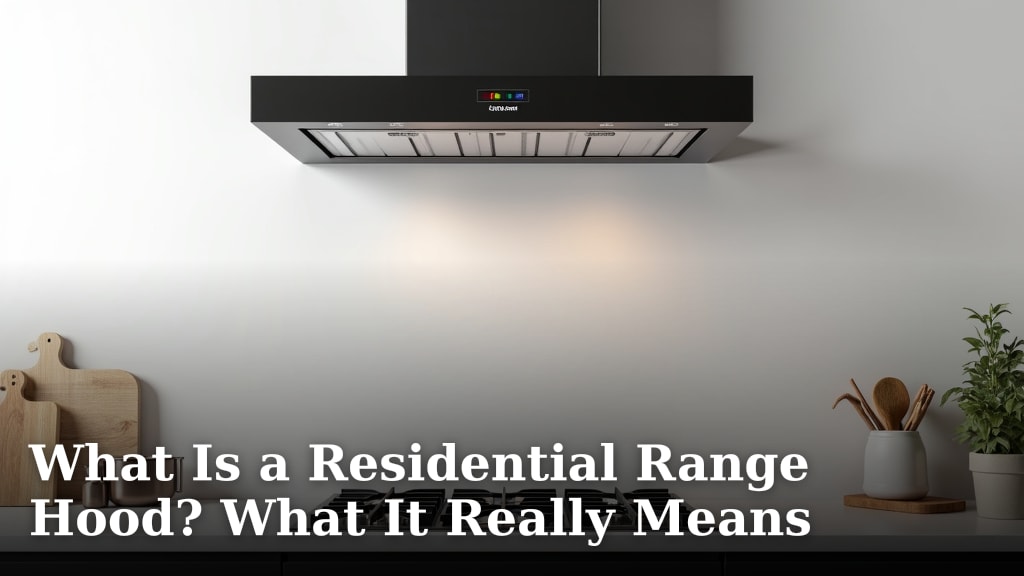
A residential range hood is a kitchen appliance designed to remove airborne grease, combustion products, fumes, smoke, and heat from your cooking area. It hangs above your stove or cooktop and uses a fan and a filter system to pull this messy stuff away from your breathing space. Think of it as your kitchen’s little air cleaner.
Properly functioning range hoods are essential for maintaining good indoor air quality in your home. They not only make your kitchen smell better while you cook but also protect your walls and cabinets from greasy buildup. Many models offer built-in lighting, too, making your cooking tasks much easier to see.
- Range hoods capture grease, smoke, and odors.
- They improve your kitchen’s air quality and cleanliness.
- Many offer additional lighting features.
- Choosing the right one makes a big difference.
Below, we’ll walk you through exactly what a residential range hood is and what it really means for your kitchen’s comfort and health.
Understanding Your Kitchen’s Ventilation System: The Range Hood
A residential range hood is your kitchen’s unsung hero. It’s that appliance hanging over your stove. Its main job is to clean the air while you cook. You might think it’s just a fancy light fixture, but it does so much more. It’s a vital part of keeping your kitchen healthy and clean.
What Exactly Does a Range Hood Do?
Think of your kitchen as a mini ecosystem. When you cook, you create byproducts. These include grease particles, steam, smoke, and cooking odors. Without proper ventilation, these linger in the air. They can settle on your cabinets and walls. They can also make the air you breathe unpleasant.
A range hood uses a fan to suck these airborne particles away. It then passes them through a filter system. This system traps the grease and other impurities. The filtered air is either recirculated back into the kitchen or vented outside. This process improves air quality significantly.
Capturing Grease: The Primary Mission
Grease is a major byproduct of cooking, especially frying and searing. These tiny grease droplets float in the air. They can build up over time. This buildup is not only messy but also a fire hazard. Range hoods are designed to capture this airborne grease before it coats your kitchen surfaces.
Removing Smoke and Fumes
Burning food or high-heat cooking can create smoke. Some cooking methods also produce fumes. These can be irritating and unhealthy. The fan in your range hood pulls this smoke and these fumes away from your cooking area. This makes cooking much more enjoyable and safer.
Tackling Odors: The Fresher Kitchen Promise
Everyone loves a delicious meal. But sometimes, strong cooking smells can linger. This is especially true for dishes like fish or certain spices. A good range hood will capture these odors. It helps keep your kitchen smelling fresh, even after a big meal.
Why is This “Really Important” for Your Home?
You might be wondering if a range hood is truly necessary. The answer is a resounding yes, especially if you do a lot of cooking. It goes beyond just making your kitchen smell nice. It impacts your home’s health and longevity.
Improving Your Indoor Air Quality
The air inside your home can sometimes be more polluted than outdoor air. Cooking is a major contributor to indoor air pollution. The U.S. Environmental Protection Agency (EPA) notes that cooking appliances can release pollutants. These can affect respiratory health. A range hood actively works to reduce these pollutants.
Research from organizations like the National Institutes of Health (NIH) suggests that good ventilation is key. It helps mitigate risks associated with indoor air pollutants. By capturing grease and fumes, your range hood contributes to a healthier living environment for you and your family. This is especially important for children and those with respiratory conditions.
Protecting Your Kitchen Surfaces
Imagine cooking for years without a range hood. Your cabinets, walls, and even ceilings would likely have a sticky, greasy film. Cleaning this buildup is a tough and time-consuming chore. A range hood acts as a shield. It traps most of the grease in its filters. This saves you cleaning time and preserves the look of your kitchen.
Reducing Fire Hazards
Grease buildup is flammable. When grease accumulates on surfaces and in the hood’s filters, it can pose a fire risk. Regular cleaning of range hood filters is essential. However, a properly functioning range hood also helps reduce the amount of grease that settles elsewhere in your kitchen. This contributes to a safer cooking environment.
Adding Convenience and Comfort
Many modern range hoods come with built-in lighting. This is incredibly helpful. It illuminates your cooktop, making it easier to see what you’re doing. This reduces the chance of cooking errors. Plus, a cooler, cleaner kitchen is simply a more comfortable place to be.
Key Components of a Residential Range Hood
Understanding how a range hood works means looking at its main parts. Each piece plays a role in its effectiveness. Knowing these can help you choose the right one.
The Fan (Blower)
This is the heart of the range hood. The fan’s job is to pull air from your kitchen. The strength of the fan is measured in Cubic Feet per Minute (CFM). Higher CFM means more air is moved. You’ll want a CFM that’s appropriate for your stove type and kitchen size. This is a The fan’s power, measured in CFM, is a critical performance factor for any range hood.critical performance factor.
The Filters: Trapping the Mess
Filters are essential for cleaning the air. There are two main types:
- Grease Filters: These are usually made of metal mesh or baffle filters. They capture the grease particles. Metal filters are typically washable.
- Charcoal Filters: These are used in recirculating (ductless) hoods. They help remove odors from the air before it’s sent back into the kitchen. They are not washable and need periodic replacement.
We found that the type and number of filters can greatly affect how well the hood cleans the air.
Ducting (for Venting Models)
Vented range hoods connect to ductwork. This ductwork channels the air from the hood to the outside of your home. Proper ducting ensures that smoke, grease, and odors are fully removed from your living space. It’s generally considered the most effective ventilation method.
Make-up Air System (Often Required)
When a range hood vents air outside, it removes air from your home. For powerful fans, this can create negative air pressure. This means there isn’t enough fresh air coming back in. Some building codes require a make-up air system. This system replaces the air being vented out. It ensures your home’s air pressure remains balanced and prevents issues like back-drafting from combustion appliances.
Types of Range Hoods: How They Vent
The way a range hood handles air is a big differentiator. Understanding these types helps you choose the best fit for your kitchen.
Ducted (Vented) Range Hoods
These are the most effective. They vent cooking byproducts directly outside your home. This requires external ductwork. If your home has existing ducting, this is often the easiest and best option for superior air cleaning. They remove heat, grease, smoke, and odors completely.
Ductless (Recirculating) Range Hoods
These hoods do not vent outside. They pull air through grease filters and then charcoal filters. The cleaned air is then blown back into the kitchen. They are simpler to install as they don’t require ductwork. However, they are less effective at removing heat and moisture. They also require regular charcoal filter replacement to manage odors.
Many experts say that for heavy cooking, ducted systems are far superior. But for lighter use or when ducting is impossible, ductless models are a practical choice.
Choosing the Right Range Hood: A Quick Checklist
Selecting a range hood can seem daunting. Here’s a simple way to think about what matters most:
- Measure your cooktop: The hood should be at least as wide as your cooktop.
- Calculate CFM needs: Match the fan’s power to your stove’s size and cooking style.
- Decide on ducted vs. ductless: Consider installation and effectiveness.
- Check filter type: Can they be easily cleaned or replaced?
- Consider noise level: Look for models with lower decibel ratings.
- Think about lighting: Does it have adequate illumination for your workspace?
By considering these points, you can make an informed decision. A well-chosen range hood will serve your kitchen well for years to come. It’s an investment in a cleaner, healthier, and more comfortable cooking space.
Conclusion
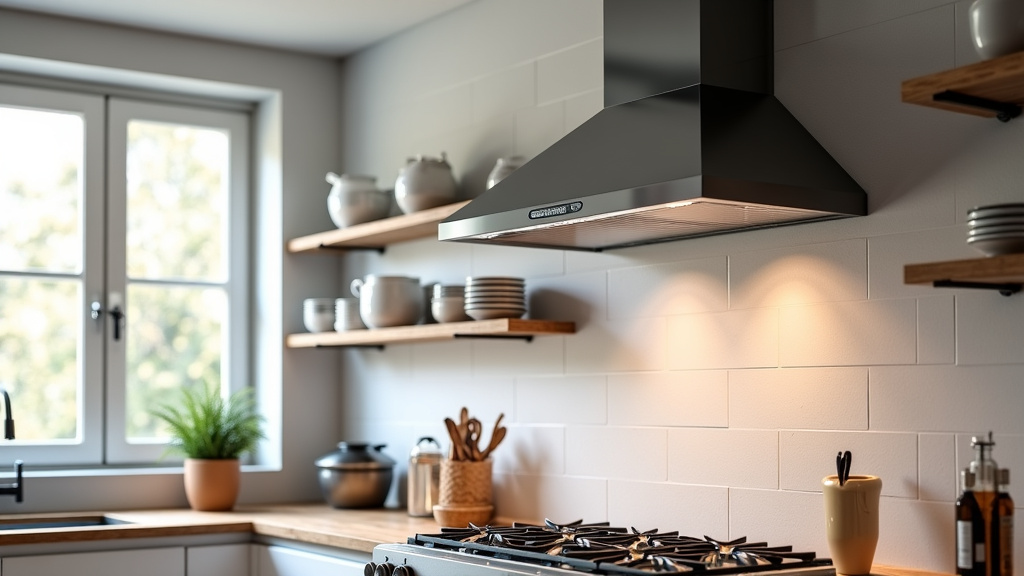
You now understand that a residential range hood is much more than just a kitchen accessory. It’s a vital appliance for maintaining a healthy indoor environment. By capturing grease, smoke, and odors, it protects your kitchen surfaces and improves air quality. Remember to consider your cooking habits and kitchen setup when choosing the right type and size for your needs. Your next step is to measure your cooktop and start looking at hoods that fit your space and budget, ensuring a cleaner and more comfortable kitchen for you and your family.
Frequently Asked Questions
Do I really need a range hood if I don’t cook often?
Even with occasional cooking, some airborne grease and odors are produced. A range hood helps manage these byproducts, keeping your kitchen fresher and cleaner over time. For light cooking, a ductless model might be sufficient and easier to install.
What’s the difference between a ducted and ductless range hood?
Ducted range hoods vent air and impurities directly outside your home through ductwork, offering the best air cleaning. Ductless hoods filter the air and recirculate it back into the kitchen, which is simpler to install but less effective at removing heat and moisture.
How often should I clean or replace my range hood filters?
For metal grease filters, clean them monthly, or more often if you cook frequently. Charcoal filters in ductless hoods typically need replacement every 3-6 months, depending on usage, as they cannot be cleaned.
Can a range hood help with cooking smells that linger for days?
Yes, a properly functioning range hood, especially a ducted one, can significantly reduce lingering cooking odors. Ductless models with effective charcoal filters also help, but they may require more frequent filter changes for strong smells.
What does CFM mean for a range hood, and why is it important?
CFM stands for Cubic Feet per Minute, which measures how much air the range hood’s fan can move. You need enough CFM to effectively clear the air above your stove. Generally, a higher CFM is needed for gas stoves, larger kitchens, and more intense cooking.