What Is a Commercial Range Hood? A Beginner’s Guide
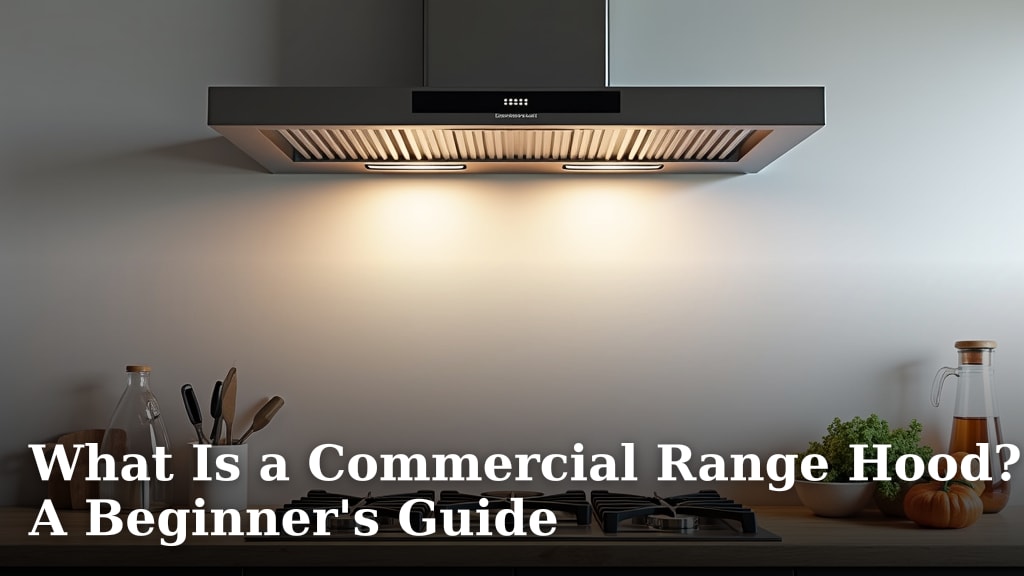
A commercial range hood is a ventilation system designed for professional kitchens. It captures grease, smoke, and heat from cooking appliances. This system helps maintain air quality and safety in a busy food service environment. Think of it as the mighty lungs of a restaurant kitchen.
Unlike residential hoods, commercial models are built for heavy-duty performance. They handle the intense cooking demands of fryers, grills, and ovens. Proper ventilation is essential for meeting health codes and preventing fires in commercial settings.
- Commercial range hoods vent grease and smoke.
- They improve kitchen air quality and safety.
- These systems are designed for heavy use.
- They are vital for meeting health regulations.
Let’s dive into what makes these kitchen workhorses tick, so you can understand their importance.
Understanding Commercial Kitchen Ventilation Systems
A commercial range hood is a critical piece of equipment for any professional kitchen. Its main job is to pull cooking fumes, grease, smoke, and heat away from your cooking surfaces. This keeps the air cleaner and safer for everyone working there. Think of it as the kitchen’s exhaust system, but way more powerful.
Unlike the smaller hoods you might see in a home kitchen, these are built for serious, heavy-duty use. They’re designed to handle the constant output from high-powered fryers, grills, and ovens. Having the right ventilation is not just about comfort; it’s about meeting health codes and preventing dangerous fires.
What Makes a Commercial Range Hood Different?
Commercial range hoods are designed to handle much more than their residential counterparts. This means they need to be bigger, stronger, and much more effective. They’re built with robust materials that can withstand the heat and grease produced in a busy restaurant kitchen.
Power and Airflow: The Heart of the System
The biggest difference you’ll notice is the sheer power. Commercial hoods use powerful fans, often called blowers or motors, to move a much larger volume of air. This is measured in Cubic Feet per Minute (CFM). The higher the CFM, the more air it can remove.
For example, a small home range hood might move 150-300 CFM. A commercial hood can easily range from 600 CFM all the way up to 1500 CFM or more. This high airflow is needed to capture and vent all the smoke and grease from commercial cooking equipment.
Durability and Materials
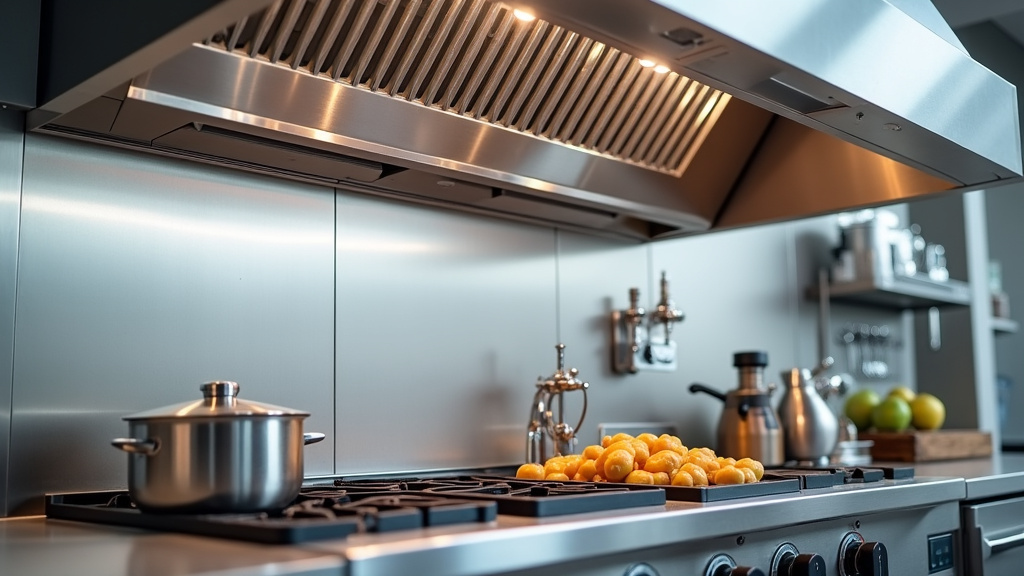
These hoods are built to last. They are typically made from durable stainless steel. This material is chosen because it’s easy to clean, resists corrosion from grease and steam, and can handle the high temperatures found in professional kitchens. Cheaper materials just wouldn’t hold up.
Filtration Systems
Commercial hoods use specialized filters to capture grease. These are usually baffle filters, which are made of metal and designed to trap grease particles as the air passes through. They are washable and reusable, which is important for maintenance and cost-effectiveness.
These filters are designed to be highly effective at removing grease before the air is expelled outside. This is a key reason why commercial hoods are so important for fire prevention. Less grease buildup means a lower risk of fires.
Key Components of a Commercial Range Hood System
A commercial range hood isn’t just the metal canopy above your stove. It’s a system with several interconnected parts working together. Understanding these components helps you appreciate how the whole thing functions.
The Canopy and Baffle Filters
The canopy is the visible part that hangs over the cooking appliances. It’s designed to create a capture area for the airborne grease and heat. Inside, you’ll find the baffle filters. These metal filters are angled to force the air to change direction.
As the air changes direction, the heavier grease particles get trapped on the filter surfaces. We found that regularly cleaning or replacing these filters is essential for the system’s performance and safety. Dirty filters restrict airflow and can become a fire hazard.
The Blower/Fan Motor
This is the powerhouse of the system. The blower is what creates the suction to pull the air up and out. Commercial kitchens often use external blowers, which are mounted on the roof or outside the building. This helps reduce noise inside the kitchen.
Some smaller commercial setups might use an internal blower mounted directly within the hood itself. The choice often depends on the size of the kitchen, the type of cooking, and noise considerations. Many experts recommend external blowers for larger establishments.
Ductwork
The ductwork is the pathway that carries the captured air from the hood to the outside of the building. This is typically made of galvanized steel or stainless steel. The size and configuration of the ductwork are critical for proper airflow. It needs to be smooth inside with minimal bends to avoid restricting the air.
According to ventilation guidelines, ductwork should be installed professionally to ensure it’s sealed correctly and meets fire codes. Improperly installed ducts can lead to leaks, reduced efficiency, and potential fire risks. We found that professional installation is a must.
Make-Up Air System
This is a component many beginners overlook. When a powerful range hood pulls air out of the kitchen, that air needs to be replaced. Otherwise, you create a negative pressure environment. This can cause doors to be hard to open, cause drafts, and even pull fumes back into the kitchen.
A make-up air system brings fresh, clean air back into the kitchen. Sometimes, this air is heated or cooled to maintain a comfortable working temperature. Building codes often require a make-up air system to be installed alongside the exhaust system. You’ll often see these as separate units that feed air into the kitchen space.
Why Your Commercial Kitchen Needs Proper Ventilation
Beyond just removing smells, a good ventilation system is vital for several reasons. These are not just suggestions; they are often legal requirements for operating a food service business.
Fire Safety is Non-Negotiable
Grease is highly flammable. When it builds up in the hood, filters, or ductwork, it creates a serious fire hazard. A commercial range hood, with its powerful suction and effective filters, helps remove the grease before it can accumulate and ignite. We found that regular cleaning is the first line of defense against grease fires.
The National Fire Protection Association (NFPA) has specific codes regarding commercial kitchen ventilation and fire suppression systems. These codes emphasize the importance of properly maintained exhaust systems.
Improving Air Quality and Working Conditions
Cooking produces smoke, steam, and various airborne particles. Without adequate ventilation, these can build up, making the air thick, hot, and difficult to breathe. This not only makes the kitchen uncomfortable but can also impact the health of your staff.
Studies have shown that poor indoor air quality can lead to respiratory problems and reduced productivity. A commercial range hood ensures a constant supply of fresh air, creating a healthier and more pleasant working environment. We found that good ventilation can significantly boost staff morale.
Meeting Health and Building Codes
Health departments and fire marshals have strict regulations for commercial kitchens. Proper ventilation is a key requirement. Failure to comply can result in fines, temporary closure, or even permanent closure of your business. You need to ensure your system meets all local and national standards.
These codes often specify the minimum CFM required for different types of cooking appliances, the type of filters needed, and the proper installation of ductwork and make-up air systems. It’s important to consult with local authorities or a ventilation professional to ensure compliance.
Types of Commercial Range Hoods
Not all commercial range hoods are the same. They come in different styles, designed for specific kitchen layouts and cooking needs. Knowing these types can help you choose the right one for your establishment.
Wall-Mounted Hoods
These are perhaps the most common type. As the name suggests, they are mounted directly onto a wall above the cooking equipment. They are a good option for kitchens where the cooking line is against a wall.
Island Hoods
Island hoods are designed to be mounted above cooking appliances that are located in the middle of the kitchen, often on a food preparation island. They need to be powerful enough to capture air from all sides.
Broiler and Wall-Canopy Hoods
Broiler hoods are specifically designed for the intense heat and grease produced by broilers. They are often shorter and wider than standard wall-mounted hoods to provide better capture. Wall-canopy hoods offer a slightly different aesthetic and capture area.
Perimeter Hoods
These hoods are mounted on the wall but extend out over the cooking area, creating a perimeter capture zone. They can offer a more modern look and efficient capture for certain layouts.
Short-Term Use Hoods
Some commercial kitchens have appliances that are used only occasionally, like a specific dessert station. For these, you might find lighter-duty hoods designed for less frequent or intense use. However, they still need to meet safety standards.
Choosing the Right Commercial Range Hood: A Quick Checklist
Selecting the correct hood can seem daunting. Here’s a simple checklist to guide you through the essential considerations:
- Identify your cooking equipment: What appliances will be under the hood? Fryers, grills, and ranges have different ventilation needs.
- Calculate required CFM: Based on your equipment, determine the necessary airflow. Many local codes will provide guidance or require professional calculation.
- Consider hood type and size: Match the hood style and dimensions to your kitchen layout and equipment placement.
- Ensure proper make-up air: Don’t forget the system that replaces the exhausted air.
- Check local codes and regulations: Always verify compliance with health and fire departments.
- Factor in maintenance: Choose a system where filters are easy to access and clean.
By considering these factors, you can make an informed decision that keeps your kitchen safe and compliant.
Conclusion
You’ve learned that a commercial range hood is more than just a kitchen fixture; it’s a vital safety and compliance system. These powerful ventilation units are designed to handle the intense demands of professional cooking, effectively removing grease, smoke, and heat. We’ve seen how their robust construction, high airflow, and specialized filters are essential for preventing fires, improving air quality for your staff, and meeting strict health codes. Don’t overlook this essential component of your kitchen’s infrastructure. Your next step should be to assess your current ventilation system or plan for a new one, ensuring it meets all your operational and regulatory needs.
Frequently Asked Questions
How often should I clean commercial range hood filters?
You should clean baffle filters regularly, typically weekly or bi-weekly, depending on your cooking volume. Heavy use, like frying, requires more frequent cleaning. This regular maintenance is key to preventing grease buildup and maintaining airflow.
What is CFM and why is it important for commercial hoods?
CFM stands for Cubic Feet per Minute, which measures the volume of air a fan can move. For commercial hoods, a higher CFM is needed to effectively capture and remove the large amounts of smoke, grease, and heat produced by professional cooking equipment.
Do I need a make-up air system for my commercial range hood?
Yes, a make-up air system is generally required by code. When the range hood exhausts air, make-up air replaces it, preventing negative pressure that can cause drafts and make doors hard to open. It also ensures the hood can perform efficiently.
What’s the main difference between a commercial and residential range hood?
Commercial range hoods are built for much heavier use and higher volumes of grease and smoke. They are typically larger, made from more durable materials like stainless steel, and have significantly higher CFM ratings compared to residential models.
Can I install a commercial range hood myself?
While some minor installations might seem feasible, professional installation is strongly recommended. This ensures proper ductwork connections, secure mounting, correct make-up air integration, and compliance with all safety and building codes to prevent fire hazards.