What Is a Copper Range Hood? A Straight Answer
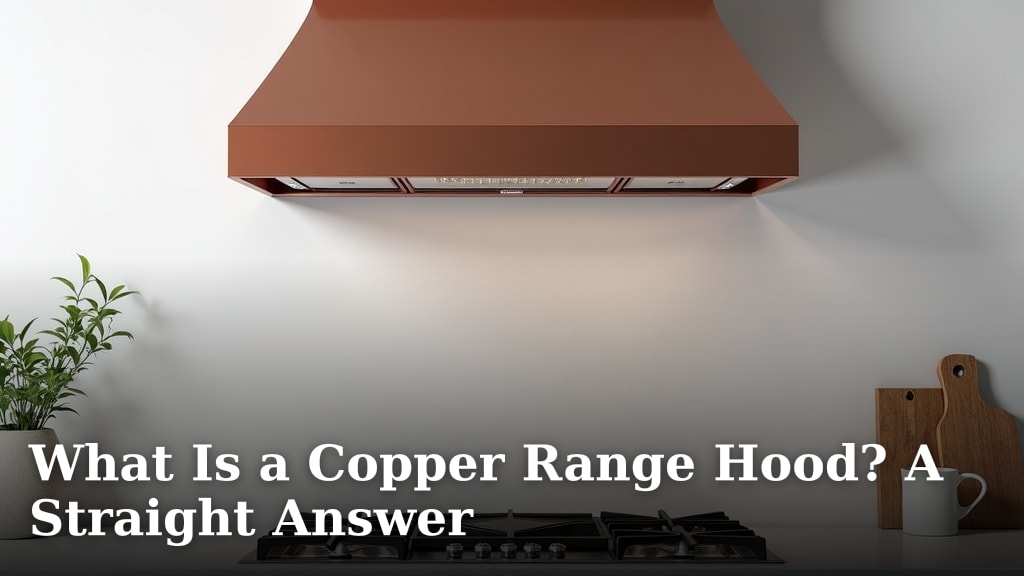
A copper range hood is a decorative kitchen ventilation system. It’s primarily made of copper. This metal gives your kitchen a warm, luxurious look. It also helps remove smoke, grease, and odors from your cooking area.
You’ll often see these hoods in high-end kitchens. They add a unique, artisanal touch. Beyond looks, the copper material can be quite durable. Many models include powerful fans and lights to boost kitchen functionality.
- What is a copper range hood? It’s a stylish vent for your stove.
- It’s made from copper and helps clean your kitchen air.
- Copper adds warmth and a custom feel.
- These hoods are both decorative and functional.
- They can increase your kitchen’s overall appeal.
Let’s break down exactly what a copper range hood is and what makes it stand out in the kitchen.
Understanding What a Copper Range Hood Is
A copper range hood is a kitchen ventilation device. Its main body is constructed from copper. This metal gives kitchens a warm and unique look. It also performs the essential job of cleaning your cooking air. You can find these hoods in kitchens aiming for a custom or high-end feel.
The Role of a Range Hood
Before we dive deeper into copper, let’s remember why range hoods exist. When you cook, you create smoke, steam, and grease particles. These can make your kitchen smell bad and leave a greasy film on surfaces. A range hood works to remove these airborne messes. It pulls the air through a filter and vents it outside or recirculates it after cleaning. This keeps your kitchen air fresher and cleaner. Before we dive deeper into copper, let’s remember why a range hood exists.
Why Choose Copper?
Copper is a metal that has been used for centuries in cookware and decorative items. It has a distinctive reddish-brown hue that deepens and changes over time. This aging process is called patina. Many people find this natural aging process adds character. Copper also conducts heat well, though this is less relevant for a vent hood than a pot or pan. Its visual appeal is its main draw for kitchens.
The Aesthetic Appeal of Copper
Copper range hoods bring a sense of warmth and luxury to a kitchen. They often have a handcrafted look. This can make your kitchen feel more personal and less like a mass-produced space. The metal’s natural shine and unique color variations make each hood a potential statement piece. You can find copper hoods in many styles, from modern sleek designs to more traditional, ornate shapes.
Durability and Maintenance Considerations
Copper is a relatively durable metal. It doesn’t rust like iron or corrode easily. However, copper does react with air and moisture. This causes it to develop a patina. Some people love this aged look. Others prefer to keep their copper shiny. If you want to maintain a bright, polished finish, you’ll need to clean and polish it regularly. Special copper cleaners can help restore its shine. For those who don’t want to polish, the patina can look quite sophisticated.
Key Features and Functionality of Copper Range Hoods
Beyond its striking appearance, a copper range hood is designed to be a functional appliance. It’s not just about looks. These hoods include powerful ventilation systems to handle cooking fumes effectively. You’ll also find built-in lighting to help you see while you cook.
Ventilation Power
The primary function of any range hood is to vent your kitchen. Copper range hoods come with fans that vary in power. Fan power is often measured in Cubic Feet per Minute (CFM). A higher CFM means the fan can move more air. The CFM you need depends on your stove type and kitchen size. For example, gas stoves produce more heat and fumes than electric ones. We found that many experts recommend at least 100 CFM per 10,000 BTUs for gas ranges.
Ducted vs. Ductless Systems
Copper range hoods can operate in two main ways: ducted or ductless. A ducted system vents air outside your home through a pipe. This is generally more effective at removing odors and grease. A ductless system, also called recirculating, filters the air and sends it back into the kitchen. These often use charcoal filters to trap odors. Ductless hoods are easier to install but may not clean the air as thoroughly.
Integrated Lighting
Good lighting is essential for cooking safely and effectively. Most copper range hoods include built-in lights. These are usually positioned to illuminate your cooktop. The type and brightness of the lights can vary. Some models offer LED lights, which are energy-efficient and long-lasting. Others might use halogen bulbs. The number of lights also differs, with some hoods having one or two, while others have more.
Filtration Types
To keep the fan and ductwork clean, range hoods use filters. Copper hoods typically use baffle filters or mesh filters. Baffle filters are often made of metal and have a unique design that forces air to change direction. This helps trap grease. Mesh filters work similarly by trapping grease in a fine screen. Both types are usually removable and can be cleaned. For ductless systems, charcoal filters are also essential for odor removal. You’ll need to replace these periodically.
Copper Range Hoods in Different Kitchen Styles
The beauty of copper is its versatility. It can fit into many different kitchen aesthetics. Whether your kitchen is modern, rustic, or somewhere in between, a copper hood can be a great addition.
Rustic and Farmhouse Kitchens
In a rustic or farmhouse kitchen, a copper hood can enhance the warm, natural feel. Think of a hammered copper finish or one with decorative rivets. These details add to the handcrafted, earthy charm. The natural patina of aged copper works especially well here. It complements wooden beams, stone accents, and natural materials. It feels authentic and inviting.
Modern and Contemporary Kitchens
Even modern kitchens can benefit from a copper touch. A copper hood with a sleek, simple design can add a sophisticated accent. Look for smooth finishes and minimalist shapes. A polished copper can provide a bold metallic contrast to clean lines and neutral colors. It can be the unexpected pop of warmth in an otherwise minimalist space. Many manufacturers offer contemporary designs in copper.
Traditional and European-Inspired Kitchens
Copper has a long history in traditional kitchens, especially in European styles. Ornate designs with decorative banding or curves fit perfectly here. A rich, deep patina can add an old-world elegance. It pairs beautifully with detailed cabinetry, marble countertops, and classic tile backsplashes. It feels timeless and luxurious.
Comparing Copper Range Hoods to Other Materials
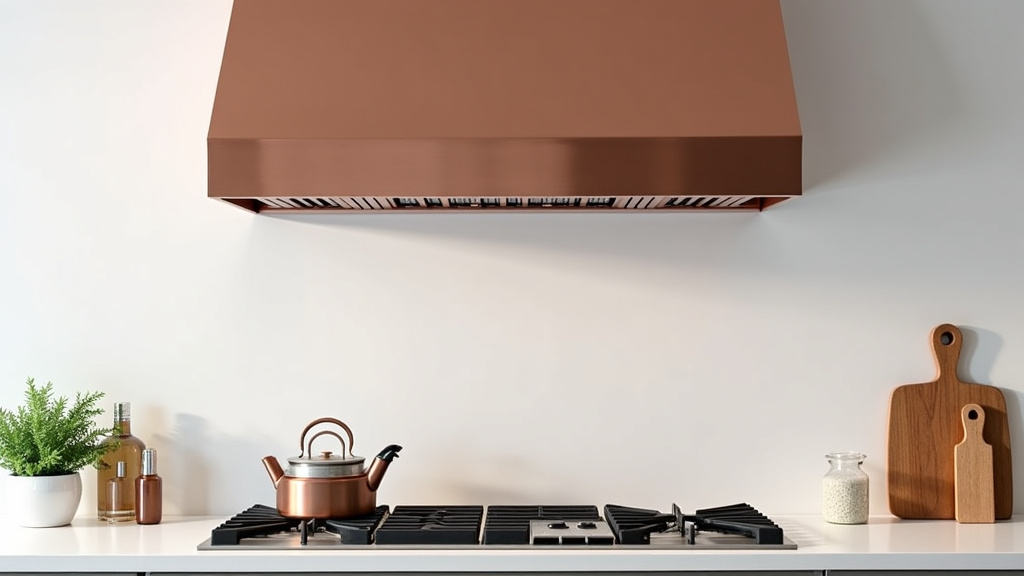
When shopping for a range hood, you’ll see many material options. Comparing copper to stainless steel and other metals can help you make an informed choice.
| Material | Pros | Cons | Typical Look |
|---|---|---|---|
| Copper | Unique warmth and luxury, develops attractive patina, artisanal feel. | Requires regular cleaning to maintain shine, can be more expensive, patina might not be desired by all. | Warm reddish-brown, can be polished or aged, hammered or smooth finishes. |
| Stainless Steel | Durable, resistant to rust and stains, modern and sleek look, easy to clean for a shiny finish. | Shows fingerprints and smudges easily, can scratch, may look cold in some kitchens. | Silver-grey metallic, brushed or polished finishes. |
| Cast Iron | Very durable, classic and heavy look, good for rustic styles. | Very heavy, prone to rust if not maintained, limited design options, expensive. | Black or dark grey, matte finish. |
| Aluminum | Lightweight, relatively inexpensive, corrosion-resistant. | Can appear less premium, may dent more easily than steel or copper. | Silver-grey metallic, often brushed. |
Material Choice Factors
When you choose your range hood material, think about your kitchen’s overall design. Consider your personal style preferences. Do you like the idea of a material that changes over time, like copper? Or do you prefer something that stays consistent, like stainless steel? Also, think about how much maintenance you’re willing to do. Polishing copper takes time. Stainless steel requires frequent wiping to look its best.
Cost Considerations
Copper range hoods can often be a bigger investment than those made from stainless steel or aluminum. The cost depends on the gauge of the copper, the complexity of the design, and the brand. Handcrafted or custom copper hoods will naturally command higher prices. However, many find the unique beauty and artisanal quality justify the expense. It’s like buying a piece of kitchen art.
Is a Copper Range Hood Right for Your Kitchen?
Deciding if a copper range hood fits your needs involves a few checks. Consider the look you want and the functionality you require. Think about the space you have and your budget.
Here’s a quick checklist to help you decide:
- Do you want a kitchen focal point that adds warmth?
- Are you drawn to the unique look and potential patina of copper?
- Do you need effective ventilation for your cooking style?
- Are you okay with the maintenance required to keep it shiny, or do you prefer the aged look?
- Does the price fit within your renovation or appliance budget?
- Can you find a design that matches your kitchen’s overall style?
Conclusion
You’ve learned that a copper range hood is more than just a vent; it’s a statement piece. It blends essential kitchen ventilation with a unique, warm aesthetic. Whether you love the idea of a developing patina or prefer to keep it polished, copper offers a distinctive look. These hoods effectively manage cooking fumes, adding both beauty and function. Consider your kitchen’s style and your maintenance preferences. If copper’s warmth and artisanal charm call to you, research designs and ventilation power that fit your cooking needs and budget. Your next step is to find the perfect copper hood that will transform your kitchen space.
Frequently Asked Questions
How do I clean a copper range hood to keep it shiny?
To maintain a shiny finish on your copper range hood, you’ll need to clean and polish it regularly. Use a soft cloth and a specialized copper cleaner. For daily upkeep, a gentle wipe-down with a damp cloth can remove light smudges. Avoid abrasive materials that could scratch the copper surface.
Will a copper range hood rust?
Copper is a metal that does not rust. However, it will naturally develop a patina over time due to exposure to air and moisture. This patina is a form of oxidation that changes the color of the copper. Many people find this aged look desirable, adding character to the hood.
Are copper range hoods more expensive than stainless steel ones?
Generally, copper range hoods can be more expensive than those made from stainless steel. The cost often reflects the unique material, potential for handcrafted designs, and the added aesthetic value. The gauge of the copper and the complexity of the hood’s design also play a role in the final price.
Can a copper range hood fit in a modern kitchen?
Yes, a copper range hood can absolutely fit in a modern kitchen. Opt for designs with smooth finishes and clean lines. A polished copper can offer a striking metallic accent against minimalist decor. It adds a touch of warmth and sophistication that can complement contemporary aesthetics beautifully.
What is patina on a copper range hood?
Patina is the natural layer that forms on copper over time as it reacts with its environment. It often appears as a greenish or dark brown discoloration. Many homeowners appreciate patina for the antique, lived-in look it gives the copper, adding depth and character.