What Is a Wood Range Hood? What You Should Know
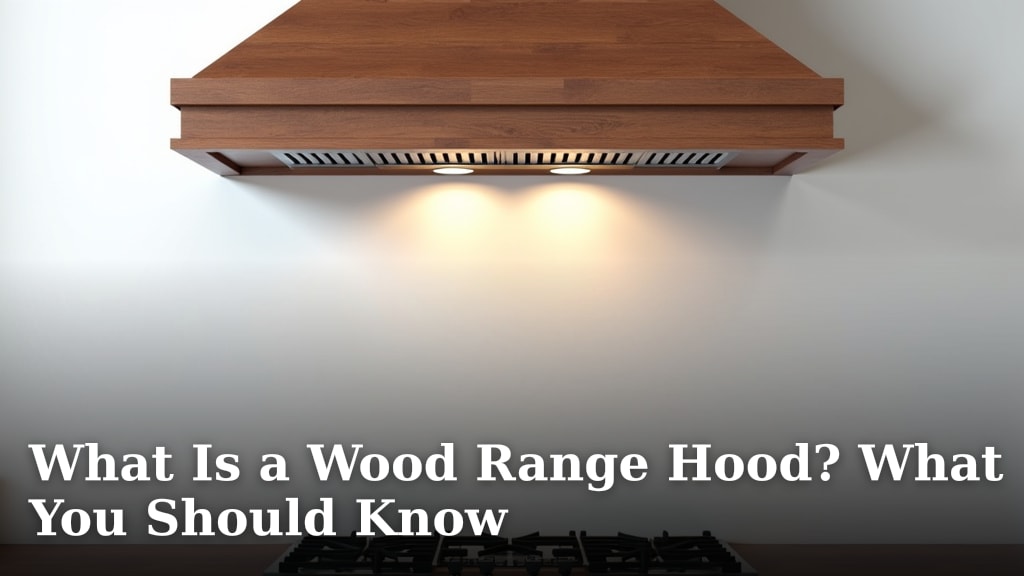
A wood range hood is a kitchen ventilation system designed to remove smoke, steam, and odors from your cooking area, often featuring a decorative wooden exterior that blends seamlessly with your cabinetry. These hoods serve both a functional purpose and add a touch of warm, natural style to your kitchen design. They are a popular choice for those seeking a more traditional or rustic kitchen aesthetic.
When considering a wood range hood, it’s important to understand that the wood itself is typically the decorative surround, while the actual ventilation components are made of metal. You’ll want to ensure the internal mechanics are powerful enough for your cooking needs. We found that many homeowners are pleasantly surprised by how well these hoods perform. Research shows they can significantly improve kitchen air quality.
- A wood range hood is a ventilation system with a decorative wood exterior.
- It removes cooking smoke, steam, and odors from your kitchen.
- The wood is usually a surround; internal parts are metal.
- Choose a hood with sufficient ventilation power for your stove.
- They add warmth and style, fitting well in traditional kitchens.
Let’s walk through what makes a wood range hood a great addition to your kitchen and what you should keep in mind before making a purchase.
Understanding Wood Range Hoods: What You Need to Know
A wood range hood combines the essential function of kitchen ventilation with the aesthetic appeal of natural wood. Think of it as a kitchen workhorse dressed in a stylish outfit. These hoods are designed to capture and remove smoke, grease, steam, and cooking odors that arise when you cook. They help keep your kitchen air fresh and clean. Many homeowners choose them to create a warm, inviting atmosphere in their cooking space.
The Functional Core: What Makes a Range Hood Work?
It’s important to understand that the beautiful wood you see is usually just the decorative exterior. The real magic happens inside. Behind that attractive wooden facade are powerful fans and filters. These components work together to pull air away from your stovetop. Without these internal mechanics, the wood would simply be a nice-looking box. We found that the quality of these internal parts greatly impacts performance.
Ventilation Power: Matching Your Stove’s Needs
The most critical aspect of any range hood is its ability to clear the air effectively. This is measured by its suction power, often called CFM (Cubic Feet per Minute). Higher CFM means the fan can move more air more quickly. You need to match the CFM to your cooktop. A gas stove typically produces more heat and fumes than an electric one. Therefore, it usually requires a higher CFM rating. The most critical aspect of any range hood is its suction power, often called CFM (Cubic Feet per Minute).
Choosing the Right CFM
General guidelines exist for selecting the correct CFM. For electric cooktops, we found that around 100 CFM is often sufficient. Gas cooktops, especially those with higher BTU (British Thermal Unit) output, may need 150 CFM or more. For very powerful professional-style ranges, you might need upwards of 300-600 CFM. It’s always better to have a little more power than you need. This ensures your hood can handle even your busiest cooking sessions without struggling. Always check your stove’s specifications for its heat output.
Ducting: The Air Highway
Range hoods move air in two main ways: ducted or ductless. Ducted hoods channel the captured air through a system of pipes (ducts) that lead outside your home. This is the most effective method for removing odors and moisture. Ductless hoods, also called recirculating hoods, filter the air and release it back into the kitchen. While convenient, they don’t remove heat or moisture as well. For a wood range hood, which often aims for a more robust kitchen experience, a ducted setup is usually preferred for optimal performance. We found that properly installed ductwork makes a significant difference.
The Aesthetic Appeal: Why Choose Wood?
Beyond function, the primary reason people choose a wood range hood is its unique visual appeal. Wood brings a natural warmth and texture that metal or stainless steel simply can’t replicate. This makes it a fantastic choice for creating a cozy and inviting kitchen environment.
Design Styles and Integration
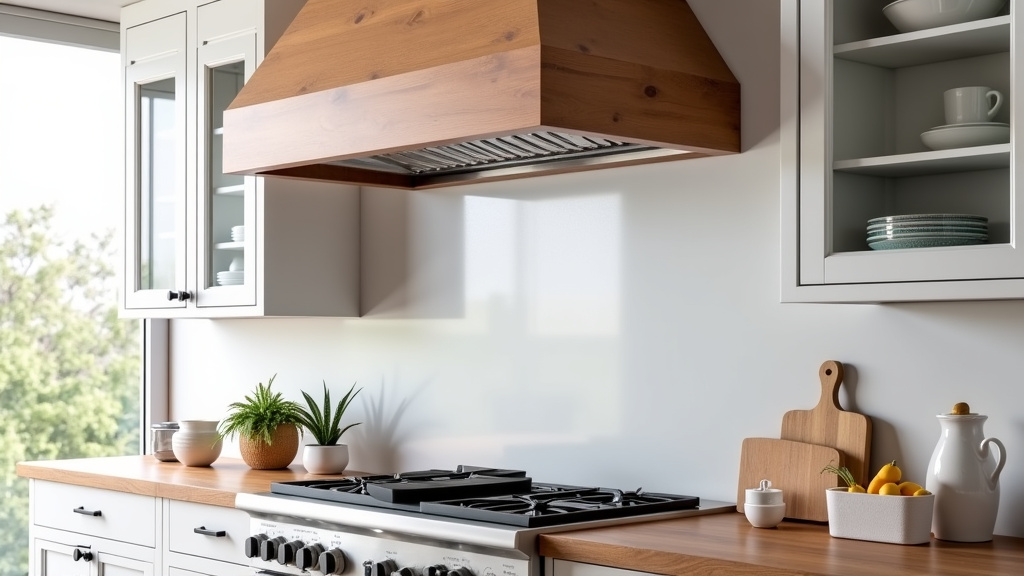
Wood range hoods come in various styles to match different kitchen designs. You might see simple, clean lines for a modern farmhouse look. Or, you could find more ornate designs with carving and molding for a traditional or French country kitchen. The beauty of a wood hood is its ability to blend seamlessly with your existing cabinetry. Many custom options are available, allowing you to match the wood species and finish precisely to your cabinets. This creates a cohesive and high-end look.
Material Choices and Finishes
Common wood choices include maple, cherry, oak, and walnut. Each offers a different grain pattern and color. You can also choose the finish. Options range from natural, clear coats that highlight the wood’s natural beauty to painted finishes in any color imaginable. When selecting your wood, consider how it will hold up to kitchen conditions. Some finishes offer better protection against grease and moisture. We found that manufacturers often provide specific guidance on care and maintenance for different wood types and finishes.
Key Considerations Before You Buy
Before you fall in love with the look of a wood range hood, there are practical aspects to consider. Ensuring it meets your functional needs is just as important as its style. Let’s review what else you should think about.
Maintenance and Cleaning
Wood requires a different kind of care than metal. While the metal components inside need regular filter cleaning, the wooden exterior needs attention too. You’ll need to wipe it down regularly to prevent grease buildup. Special wood cleaners might be necessary for tougher spots. It’s also wise to check the manufacturer’s recommendations for cleaning and protecting the wood finish. Keeping it clean will help it look its best for years. We found that many homeowners are surprised by how easy regular cleaning can be if done consistently.
Installation Complexity
Installing a range hood, especially a ducted one, can be a more involved process than simply hanging a decorative item. It requires proper ventilation ducting to be routed through your walls or ceiling. This often involves cutting holes and ensuring a secure, airtight seal. If you’re not experienced with home renovations, hiring a professional installer is highly recommended. This ensures the hood is mounted securely and the ductwork is installed correctly for optimal airflow. A proper installation is vital for both performance and safety.
Durability and Fire Safety
Naturally, fire safety is a primary concern in any kitchen appliance. Wood is a combustible material. However, range hoods are designed with safety in mind. The fan and motor are typically positioned away from the direct heat source of the cooktop. The wood is often treated with fire-retardant finishes. Plus, the powerful ventilation system itself helps reduce the amount of flammable grease particles that can accumulate. Always ensure the hood you choose meets all relevant safety standards and certifications. Many guidelines point to proper installation and regular cleaning as key to safe operation (Consumer Product Safety Commission).
Your Wood Range Hood Checklist
To help you make an informed decision, consider this quick checklist:
- Does the CFM rating match your cooktop’s requirements?
- Is the hood designed for ducted or ductless ventilation? Which is best for your kitchen?
- Have you considered the wood type and finish for durability and style?
- Do you have a plan for regular cleaning and maintenance of the wood exterior?
- Are you comfortable with the installation process, or will you hire a professional?
- Does the hood meet all necessary safety certifications?
Conclusion
A wood range hood offers a beautiful blend of kitchen functionality and natural style. You’ve learned that while the wood provides warmth and aesthetic appeal, the metal components inside handle the essential task of ventilation. Remember to prioritize CFM to match your stove and decide whether a ducted or ductless system is best for your home. With the right care and installation, your wood range hood can be a charming and effective addition to your kitchen for years. Now, take your checklist and find the perfect wood range hood that fits your cooking needs and your kitchen’s design.
Frequently Asked Questions
Can a wood range hood actually be effective at removing smoke and grease?
Yes, a wood range hood is effective because the decorative wood exterior houses powerful metal fans and filters. These internal components are designed to capture and remove smoke, steam, and grease from your cooking area, just like any other functional range hood. You’ll want to ensure the CFM rating is adequate for your stove’s output.
How do I clean and maintain the wooden part of the range hood?
You’ll need to wipe down the wooden exterior regularly with a soft cloth to prevent grease buildup. For tougher spots, a mild wood cleaner can be used. Always follow the manufacturer’s specific recommendations for cleaning and protecting the wood finish to keep it looking its best.
Are wood range hoods safe around a stove, considering wood is flammable?
Wood range hoods are designed with safety in mind. The fan and motor are typically positioned away from direct heat, and the wood may be treated with fire-retardant finishes. The powerful ventilation system also helps reduce flammable grease particle buildup, and proper installation and regular cleaning are key to safe operation.
Is it difficult to install a wood range hood compared to a metal one?
The installation of a wood range hood, particularly a ducted one, can be more involved than a purely decorative item. Routing ductwork through walls or ceilings is often required. If you’re not experienced with home renovations, we strongly recommend hiring a professional installer for secure mounting and correct ductwork setup.
Can I get a wood range hood that perfectly matches my kitchen cabinets?
Absolutely. Many manufacturers offer custom options for wood range hoods. You can often select the specific wood species and finish to perfectly match your existing cabinetry. This allows for a cohesive and high-end look in your kitchen, blending the hood seamlessly with your design.