Can a Microwave Replace a Range Hood? The Basics

Yes, a microwave can replace a range hood for very light cooking, but it is not a substitute for proper ventilation during most stovetop use. This is because a standard microwave’s fan is designed to recirculate air, not to vent smoke, grease, and strong odors outside your home effectively.
When you cook on a stovetop, you generate smoke, steam, and airborne grease that need to be removed from your kitchen. While a microwave’s internal fan can help with light steam from reheating, it lacks the power and proper venting to handle the real mess from frying or searing. We found that for serious cooking, relying only on a microwave is not recommended for good air quality.
- A microwave’s fan is too weak to handle most stovetop cooking fumes.
- Proper range hoods vent air outside or have strong charcoal filters.
- Using a microwave alone can leave grease on your cabinets and walls.
- It’s a okay solution for occasional, very light meal prep only.
- For a new kitchen, choosing a dedicated range hood is almost always better.
So, if you’re wondering whether your microwave has you covered, the short answer is: not really. Let’s walk through exactly how a range hood works and why the difference matters for your home.
Understanding the Core Function of a Range Hood
A range hood’s primary job is to capture and remove contaminants from your air. This isn’t just about comfort; it’s about health and home maintenance. Cooking releases fine particulate matter, moisture, and gases like nitrogen dioxide (from gas stoves) into your kitchen. A proper hood acts as your first line of defense.
Think of it like a vacuum cleaner for your air. While a microwave fan might stir the air around, a range hood is designed to capture and expel it. For many households, this ventilation is a key part of creating a safe and clean cooking environment.
How a Dedicated Range Hood Works
A standard range hood uses a powerful fan to create airflow. This air is either vented outside your home through ductwork or passed through a charcoal filter and recirculated. The key difference is the power and the design of the capture area.
We found that a quality range hood is built with a large canopy. This allows it to catch rising smoke and steam before they spread to the rest of your house. Its fan speed, measured in CFM (cubic feet per minute), is specifically engineered for stovetop use.
How a Microwave’s Ventilation System Works
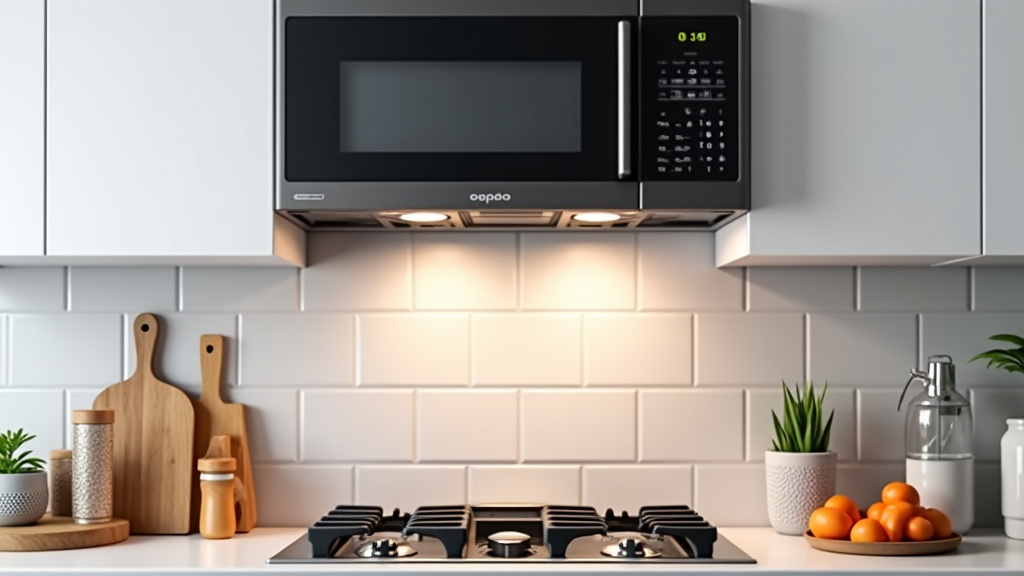
Most over-the-range microwaves include a fan on the underside. This fan serves two purposes: a light for the stove below and basic air movement. Its primary design goal, however, is to handle steam from the microwave itself, not a stovetop below.
The fan is much smaller and weaker than a dedicated hood. When you use it, you’re often just pulling a small amount of air through a tiny filter and blowing it back into the kitchen. It lacks the heavy-duty capture canopy that makes a range hood effective.
The Science of Airflow and Capture Efficiency
Effective ventilation relies on two things: airflow (CFM) and capture efficiency. Airflow is the amount of air the fan can move. Capture efficiency is how well the hood’s design captures pollutants before they escape into your home.
A microwave mounted above a range has a significant disadvantage here. The rising heat and smoke from a pan on the back burner have a long, unobstructed path to drift past the microwave’s small fan. Many experts in indoor air quality point to this as a major flaw in using a microwave as a primary vent.
Capturing Pollutants: A Side-by-Side Comparison
To understand the difference, let’s compare the key specifications. The numbers tell a clear story about capability.
| Feature | Over-the-Range Microwave | Dedicated Range Hood |
|---|---|---|
| Average Airflow (CFM) | 100 – 400 CFM | 300 – 1,500+ CFM |
| Capture Area Size | Small, limited to microwave footprint | Large canopy, covers stove width |
| Primary Design Purpose | Vent microwave steam, provide light | Capture stovetop fumes and grease |
| Typical Venting | Recirculating or weak external vent | Strong external vent preferred |
| Grease Filter Quality | Basic, small mesh or charcoal | Multi-layer, dishwasher-safe baffle filters |
This comparison shows why a microwave fan is often inadequate. It’s like trying to water a large garden with a drinking straw. The tool simply isn’t matched to the job.
Common Kitchen Scenarios and What You Need
The right answer depends on how you cook. Let’s look at real-life situations where ventilation needs vary widely.
If you primarily reheat leftovers, make oatmeal, or boil water for pasta, a microwave fan might be sufficient. These activities produce steam, but not dense smoke or grease particles. For these light tasks, you’re managing moisture more than hazardous fumes.
However, if you regularly sear steaks, fry bacon, stir-fry vegetables in a hot wok, or char peppers, you need serious ventilation. These activities produce significant smoke and aerosolized grease that will settle on every surface. A study in the journal Building and Environment found that frying can lead to high concentrations of ultrafine particles indoors without proper exhaust.
Signs Your Current Setup Isn’t Working
Your kitchen gives you clear clues. Do you have a film of grease on your cabinets, even with regular cleaning? Is there a persistent cooking smell that lingers for hours? Does your smoke alarm often go off while you cook? These are all signs that your current ventilation is failing.
We found that ignoring these signs can lead to long-term issues. Accumulated grease is a fire hazard. Moisture can cause mold growth. Poor air quality can aggravate allergies and asthma (American Lung Association).
Health and Home Maintenance Implications
Good ventilation is a health issue. Cooking fumes contain compounds that aren’t great to breathe. When you rely on a weak microwave fan, you’re often just spreading these contaminants around your home rather than removing them.
The Environmental Protection Agency (EPA) notes that indoor air can be more polluted than outdoor air. Proper range hood use, venting outside, is one of the most effective ways to reduce indoor pollutants from cooking. This is especially critical for households with gas stoves, which emit pollutants even when not in use.
The Grease Problem You Can’t See
Grease particles are tiny. They travel on air currents and coat everything in a sticky film. Over time, this buildup on walls, cabinets, and appliances can become a serious fire risk. It also makes deep cleaning much harder.
A powerful range hood with good filters captures this grease before it can spread. A microwave’s small filter quickly becomes saturated, meaning it stops working effectively and needs frequent cleaning or replacement to help at all.
Making the Right Choice for Your Kitchen
So, can a microwave replace a range hood? The answer is: it depends entirely on your cooking habits and your tolerance for cleanup and air quality. For a household that does a lot of active stovetop cooking, the answer is almost always no.
If you’re designing a new kitchen, our research and common expert advice strongly favor installing a dedicated range hood. If you’re renovating and have the option to add ductwork, it’s a worthwhile investment for both your home’s value and your daily comfort.
What If You Already Have a Microwave and Can’t Change It?
You can take steps to mitigate the downsides. First, always run the microwave fan during and after cooking. Second, wipe down the grease filters frequently. Third, open a window when you’re frying or searing.
You might also consider adding a countertop or wall-mounted air purifier with a HEPA filter to help capture some airborne particles. It’s not a perfect solution, but it can help improve overall air quality.
Checklist: Choosing Your Ventilation Strategy
Before you decide, ask yourself these key questions. Your answers will point you toward the right solution.
- Cooking Intensity: Do I regularly fry, sear, grill, or use high heat on my stovetop?
- Fuel Type: Do I have a gas stove, which produces combustion byproducts?
- Frequency: Do I cook stovetop meals multiple times per day?
- Cleaning Tolerance: Am I willing to deal with weekly grease cleaning on cabinets and walls?
- Health Needs: Does anyone in my home have asthma, allergies, or respiratory sensitivities?
- Long-Term View: Am I looking for a solution that will last and protect my home’s interior?
If you answered yes to two or more of these questions, a dedicated range hood is likely the better and safer choice for your home.
Final Thought on Microwave Vents
Think of a microwave’s vent as a backup player, not the star of the team. It can help with light duty, but it’s not equipped for the daily grind of serious cooking. Your kitchen air, your health, and the cleanliness of your home depend on having the right tool for the job.
We found that when it comes to kitchen ventilation, a purpose-built appliance always outperforms an add-on feature. Investing in proper airflow is investing in a better, healthier cooking experience.
Conclusion
So, can a microwave replace a range hood? For your occasional reheating, maybe. But for the steam, smoke, and grease from everyday stovetop cooking, a microwave’s fan simply isn’t built for the job. We found that relying on it alone can leave your kitchen grimy and your air quality lacking. The right tool protects your home and health.
Your next step is clear: evaluate your cooking habits. If you regularly use high heat, it’s time to install a dedicated range hood. If that isn’t possible, maximize your microwave fan, clean its filters often, and open a window. You deserve a kitchen that works as hard as you do.
Frequently Asked Questions
Can a microwave vent replace a range hood for a gas stove?
We do not recommend it. Gas stoves emit combustion byproducts like nitrogen dioxide even without a flame. A proper range hood is essential for venting these gases outside to keep your indoor air safe. A microwave’s weak fan is not designed for this critical task.
How often should I clean the grease filters on my microwave vent?
If you use it for stovetop cooking, you should clean the filters monthly. Grease builds up quickly and can become a fire hazard while reducing airflow. Use hot, soapy water and let them dry completely before reinstalling.
What is the best alternative if I can’t install a range hood?
Open a window near the stove and use a box fan facing outward to help pull fumes outside. Also, consider a high-quality air purifier with a HEPA filter placed nearby. This combination can help improve your kitchen’s air quality when proper venting isn’t an option.
Will a microwave vent help with odors in my kitchen?
It may help with light cooking smells by recirculating the air through a charcoal filter. However, for strong odors from frying or spices, a microwave vent is not very effective. For serious odors, you need to exhaust the air outside with a dedicated hood.
Are over-the-range microwaves with better ventilation worth the extra cost?
Some models offer slightly higher CFM, but they still can’t match a true range hood’s capture ability. We found the upgrade is rarely worth it for ventilation alone. Your money is better spent on a separate, powerful range hood if serious cooking is a priority.