Vent Hood vs Microwave: What Actually Happens
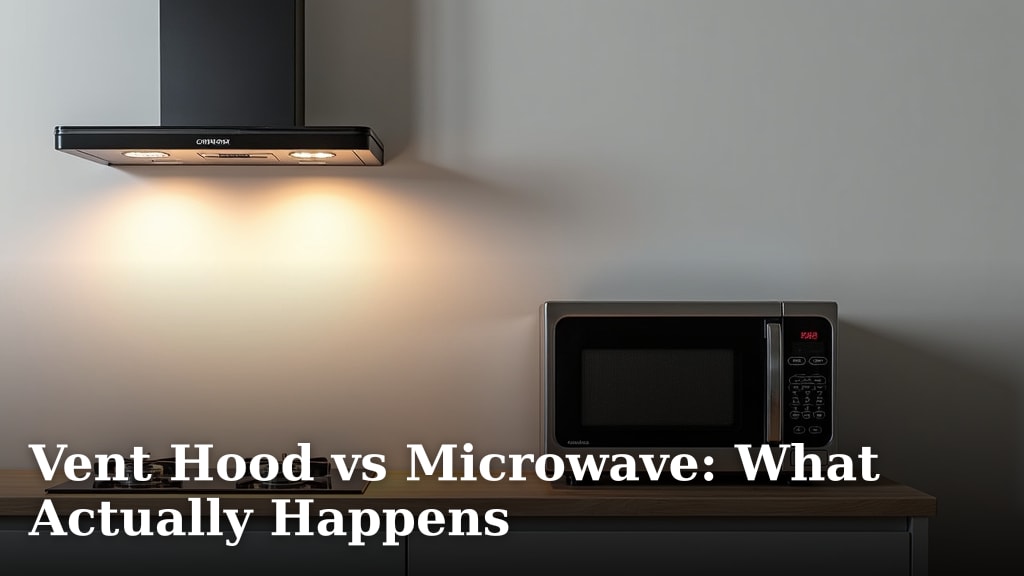
Vent hoods actively vent air outside, while over-the-range microwaves typically recirculate air through a filter. This is the core difference: one removes contaminants from your kitchen, the other just cleans and blows them back in.
You might not notice it day-to-day, but cooking produces a lot of grease, steam, and cooking odors. A microwave hood combination can handle some of this, but it often struggles with heavy cooking. A dedicated vent hood is designed specifically to capture and remove it all for a cleaner, grease-free kitchen.
- A vent hood vents air outside, permanently removing cooking fumes.
- Most microwave hoods recirculate air, trapping some grease in a filter.
- For heavy frying or smoky cooking, a vent hood is far more effective.
- Your choice depends on your cooking style and kitchen venting setup.
Below, we break down exactly how each system works and what they actually do to your air, helping you decide which is right for your home.
How Vent Hoods and Microwave Hoods Actually Work
A dedicated vent hood is like a powerful vacuum for your stove. It uses a fan to pull air, grease, and steam up from your cooktop. This air is then pushed through ductwork and completely expelled outside your home. Think of it as removing the problem at the source. The air in your kitchen is replaced with fresh air from outside.
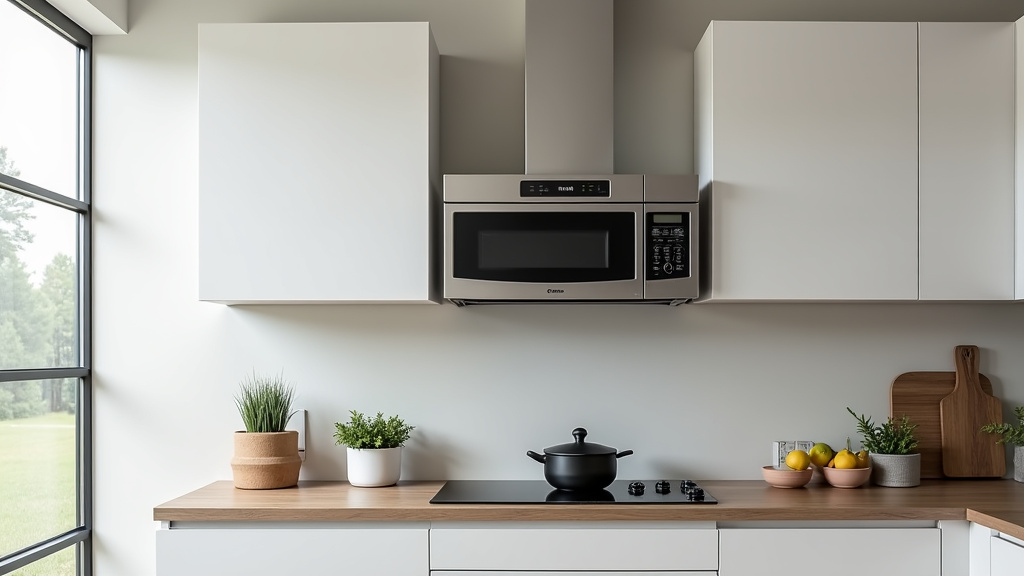
An over-the-range microwave (OTR) has a simpler job. It has a built-in fan, but most models are designed for recirculation. The air goes up into the microwave, passes through a metal grease filter, and is then blown back into your kitchen. Some high-end models can be vented outside, but many are not installed that way.
The Journey of Cooking Fumes
Let’s follow the path of grease particles from frying bacon. In a vented range hood system, those particles are captured at the stove and sent outside. Studies on indoor air quality, like those from the EPA, show that removing pollutants at the source is the most effective way to improve air quality.
With a recirculating microwave hood, those same particles go into the microwave. The metal filter catches some of the larger grease droplets. However, a lot of the smoke, steam, and tiny odor particles pass right through. They simply get blown back onto your cabinets and into the room.
Airflow and Filtration: The Technical Difference
The main number you need to look at is Cubic Feet per Minute (CFM). This measures how much air the fan can move. A good range hood will move at least 100 CFM per 10 inches of stove width. So, a 30-inch stove needs a hood with at least 300 CFM.
Most over-the-range microwaves produce between 100 and 400 CFM. On the low end, that’s barely enough to pull steam up from boiling water. Even on high, the power often can’t match a dedicated hood because the fan and motor are smaller.
Grease Capture Efficiency
Range hoods have deep baffles or dense mesh filters designed to trap grease before it enters the duct. Some commercial-style hoods even have systems that condense grease for easy cleaning. The goal is to keep your ductwork clean.
Microwave hoods typically have a simple, thin metal mesh filter. You can soak it in degreaser, but it clogs quickly with regular cooking. Once clogged, the microwave’s already-limited airflow drops significantly. The grease filter becomes a bottleneck.
| Feature | Dedicated Vent Hood | Most Microwave Hoods |
|---|---|---|
| Air Movement (CFM) | High (300-1500+) | Low to Medium (100-400) |
| Primary Action | Expels air outside (vented) | Recirculates air (non-vented) |
| Grease Removal | High, via specialized filters | Low, via basic mesh filter |
| Odor & Moisture Removal | Excellent | Minimal to Poor |
| Installation Needs | Requires external ductwork | Often no external duct |
What This Means for Your Kitchen Air
Over time, a recirculating microwave hood leads to a buildup of grease on cabinets, walls, and even the ceiling. You might notice a sticky film. The CDC notes that poor indoor air quality can worsen asthma and allergies. While cooking fumes aren’t pollution from a factory, they are a common indoor contaminant.
A properly vented range hood prevents this buildup. It removes moisture that causes mold and mildew. It gets rid of smoke and strong odors quickly. Your kitchen feels and smells cleaner after cooking.
The Problem with Recirculated Air
Imagine you burn some toast. A vent hood sucks the smoke and smell and sends it outside in seconds. With a recirculating microwave, that smoke alarm might still be going off. The system is trying to filter smoke particles that are too fine for the filter to catch.
Many home cooks we’ve spoken to report that their microwave hood works okay for light steaming or boiling. But the moment they sear a steak, make stir-fry, or cook fish, it’s not enough. The smells linger for hours.
Installation and Kitchen Design Considerations
This is where your kitchen layout comes into play. Do you have a wall behind your stove? Or is your cooktop on an island? A ducted vent hood needs a path to the outside. This is easiest when the stove is on an exterior wall or has a clear path through the attic or roof.
If you live in an apartment or condo, you might not be allowed to install exterior ductwork. In this case, a powerful recirculating range hood (not a microwave) with charcoal filters is a better option than a microwave hood. It will still only clean the air, but it moves more of it through the filter.
The Over-the-Range Microwave Dilemma
OTR microwaves save precious counter space. This is a huge plus in smaller kitchens. However, this convenience comes with a trade-off in venting performance. They are also often installed too high, making them less effective at capturing pollutants at the stove level.
Many building codes now recommend or require venting to the outside for residential kitchens. The American Society of Heating, Refrigerating and Air-Conditioning Engineers (ASHRAE) provides guidelines that emphasize outdoor exhaust for pollutant control.
Making the Right Choice for Your Home
The best choice isn’t about which appliance is “better” in a vacuum. It’s about matching the tool to the job and your specific situation. Ask yourself a few key questions.
Consider Your Cooking Habits
Do you mostly reheat leftovers, make oatmeal, and boil pasta? A microwave hood might handle that workload fine. Do you regularly fry, sauté with oil, broil, or cook with spices and aromatics? A dedicated vent hood will make a noticeable difference in air quality.
Assess Your Kitchen’s Structure
You must determine if you have an existing duct to the outside behind your stove. Check your cabinet or hire a professional to look. If ducting is impossible, your options narrow. You would choose between a ductless range hood with charcoal filters or sticking with a recirculating microwave.
A Simple Decision Checklist
Use this list to guide your thinking. Check off the points that match your home.
- Cooking Style: Do you create heavy smoke, steam, or strong odors regularly?
- Ducting Access: Is there a clear path from your stove area to the outdoors?
- Installation Space: Can you fit a dedicated hood, or is an OTR microwave the only space-saving option?
- Air Quality Priority: Is reducing grease buildup and cooking pollutants a high priority for you?
- Budget: Can you afford a quality, vented range hood, or is a microwave a more practical all-in-one purchase?
Long-Term Maintenance and Upkeep
Every system needs cleaning to work well. With a microwave hood filter, you’ll need to soak and scrub the metal mesh frequently—perhaps weekly if you cook often. If your model uses charcoal filters, you must replace them every 3 to 6 months. These filters are not cheap and are essential for odor control in a recirculating system.
A vent hood requires cleaning its metal baffles or mesh filters in the dishwasher or by hand. More importantly, you should have the ductwork professionally cleaned every few years to prevent grease buildup, which is a fire hazard. This is a maintenance task people often forget.
The Fire Safety Note
Grease-laden ductwork is a known fire risk. The National Fire Protection Association (NFPA) has standards for commercial kitchens, but the principle applies at home. A system that effectively captures and traps grease, like a good range hood, contributes to a safer kitchen environment.
Final Thoughts on Air Quality at Home
Your kitchen ventilation directly impacts your living environment. A dedicated, vented range hood is an investment in long-term air quality and cleanliness. It is the only system that truly removes pollutants from your home.
An over-the-range microwave is an investment in convenience and space savings. It provides basic filtration but cannot match the power of a proper exhaust system. Understanding this core difference helps you set the right expectations and make a choice you’ll be happy with for years to come.
Conclusion
Choosing between a vent hood and an over-the-range microwave is really a choice between two different priorities. One is focused on actively improving your kitchen’s air quality. The other prioritizes saving space and offering cooking convenience. We’ve broken down how each system works, from airflow to filtration. The evidence shows a dedicated, vented range hood is unmatched for removing grease, moisture, and odors. A microwave hood offers basic filtration but recirculates air back into your room.
Now, take a look at your own kitchen. What do you cook most often? Is there a duct running to the outside? Your answers to those questions will point you toward the right solution for a cleaner, more comfortable home.
Frequently Asked Questions
Can you install an over-the-range microwave without venting it outside?
Yes, most models are designed for this. They recirculate air through their filters. This is common in apartments or kitchens without existing ductwork. However, this limits their ability to fully remove cooking pollutants.
Why does my microwave hood still smell like bacon after I cook?
The simple mesh filter in a microwave hood cannot trap fine odor particles. These particles pass right through and linger in your kitchen. A vented range hood would exhaust those smells outside immediately.
Is a vented range hood really necessary if I only cook lightly?
For very light cooking, a microwave hood may be adequate. However, even boiling water creates humidity that can damage cabinets over time. A vented hood is the only way to consistently remove all moisture from your air.
What if my kitchen doesn’t have any ductwork to the outside?
Your best option is a powerful recirculating range hood with charcoal filters. It will move more air through better filters than a microwave hood. It’s not as effective as venting outside, but it’s a significant improvement.
How often do I really need to clean the microwave filter?
You should clean the metal mesh filter at least once a month with regular cooking. If you fry often, weekly cleaning may be necessary. A clogged filter drastically reduces the microwave’s already limited airflow.