What Is Recirculating Venting? A Complete Guide
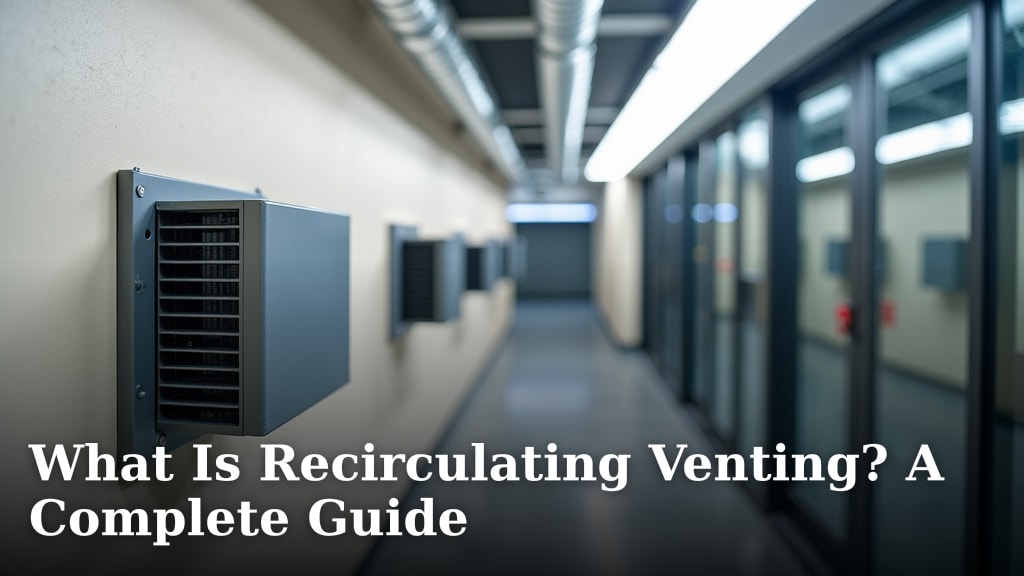
Recirculating venting, also known as ductless or recirculating hoods, is a ventilation system that Recirculating venting, also known as ductless or recirculating hoods, is a ventilation system that functions similarly to a range hood.filters and recirculates air back into your kitchen. It uses a fan to draw in air and passes it through a series of filters, like charcoal and grease filters, before releasing it. This is a great option if you cannot vent air outside your home, making it a practical solution for many kitchens.
Unlike traditional vent hoods that push cooking fumes and odors outdoors, recirculating systems keep the air inside. While they don’t remove moisture or heat like an exhaust system, they do a decent job of trapping grease and common cooking smells. This makes them a popular choice for renters or homes where external ducting is difficult or impossible to install, offering a simpler setup.
- Recirculating vents filter and reuse kitchen air.
- They use charcoal and grease filters to trap odors and grease.
- Ideal for kitchens without outside venting options.
- They don’t remove moisture or heat like exhaust hoods.
- A good choice for renters or difficult installations.
Ready to understand if this type of ventilation is right for your cooking space? Let’s walk through exactly how recirculating venting works and what you should consider.
Understanding Recirculating Kitchen Ventilation
Recirculating ventilation systems are a fantastic option when traditional outside venting just isn’t possible. They work by cleaning and then returning the air to your kitchen. Think of it like a high-tech air purifier for your cooking zone. You’ve likely seen them or perhaps even have one now without fully realizing what it is.
How Does a Recirculating Hood Work?
The magic behind a recirculating vent hood is its multi-stage filtration process. When you’re cooking, the fan draws air up from your stovetop. This air first passes through a mesh grease filter. This filter catches airborne grease particles from frying, searing, or sautéing. Without this, grease could build up on your cabinets and appliances.
After the grease filter, the air moves through another set of filters, typically made of activated charcoal. Charcoal is incredibly porous, which means it has a vast surface area. This large surface allows it to effectively trap and absorb odors and smoke. So, those strong curry smells or the lingering scent of fish? The charcoal filter works hard to neutralize them. The cleaned air is then blown back into your kitchen.
Key Components of a Recirculating System
- Fan: This is the motor that draws air into the hood.
- Grease Filters: Usually metal mesh, these capture cooking grease. They are often washable.
- Charcoal Filters: These are the odor absorbers. They are typically disposable and need regular replacement.
- Housing: The physical structure of the vent hood that contains all the parts.
Comparing Recirculating vs. Exhaust Ventilation
It’s helpful to understand how recirculating systems differ from their more common cousins, the exhaust or ducted vents. The main difference lies in where the air goes after it’s filtered.
Exhaust (Ducted) Hoods: The Outdoorsy Type
Exhaust hoods are designed to vent air directly outside your home. They use a fan to pull cooking fumes, smoke, grease, heat, and moisture away from your cooking area. This air is then pushed through ductwork that leads to an exterior vent. This method is very effective at removing everything that makes your kitchen feel stuffy or unpleasant.
The biggest advantage here is that you’re removing not just odors and grease but also heat and steam. This can help keep your kitchen cooler and reduce humidity, which is great for preventing mold and mildew growth. However, installing ductwork can be a significant construction project.
Recirculating Hoods: The Indoor Enthusiasts
As we’ve discussed, recirculating hoods keep the air inside. They focus on trapping grease and odors. They do not remove heat or moisture from the air. This makes them a simpler and often more affordable installation option, as no external ducting is required. They are essentially doing a great job of air purification for your kitchen.
Pros and Cons at a Glance
To make the choice clearer, let’s look at a quick comparison:
| Feature | Recirculating Hood | Exhaust Hood |
|---|---|---|
| Air Destination | Filtered and returned to kitchen | Vented outside the home |
| Odor Removal | Good (with charcoal filters) | Excellent |
| Grease Removal | Good (with grease filters) | Excellent |
| Moisture/Heat Removal | None | Effective |
| Installation | Simpler, no ducting needed | More complex, requires ductwork |
| Filter Maintenance | Regular replacement of charcoal filters needed | Duct cleaning may be required periodically |
When Is a Recirculating Vent the Right Choice for You?
So, who benefits most from this type of ventilation? Several scenarios make recirculating hoods a smart and practical solution.
No Outside Venting Capability
This is the most common reason people opt for recirculating systems. If you live in an apartment building, a condo, or a home where running ductwork through walls, ceilings, or attics is impossible or prohibitively expensive, a recirculating hood is your best bet. Many older homes also lack suitable venting options.
Renters and Temporary Solutions
If you rent your home, you likely cannot make permanent structural changes like installing ductwork. Recirculating hoods are the perfect choice for renters because they don’t require modifications to the building’s structure. They can often be installed as a direct replacement for an existing hood or microwave with a fan.
Simplicity and Cost-Effectiveness
The installation of a recirculating vent hood is generally much simpler and less costly than a ducted system. You avoid the expense of ventilation pipes, external vent caps, and the labor involved in cutting through walls and installing everything. If budget is a major concern, a recirculating system can be a more economical option upfront.
Lower Heat and Moisture Cooking
If your cooking style involves minimal steaming or high-heat searing that produces a lot of moisture, a recirculating hood might suffice. For example, if you primarily bake, boil pasta, or make simple sauces, the amount of steam and heat generated might be manageable for a recirculating system. However, if you frequently fry or grill indoors, you might find its limitations more apparent.
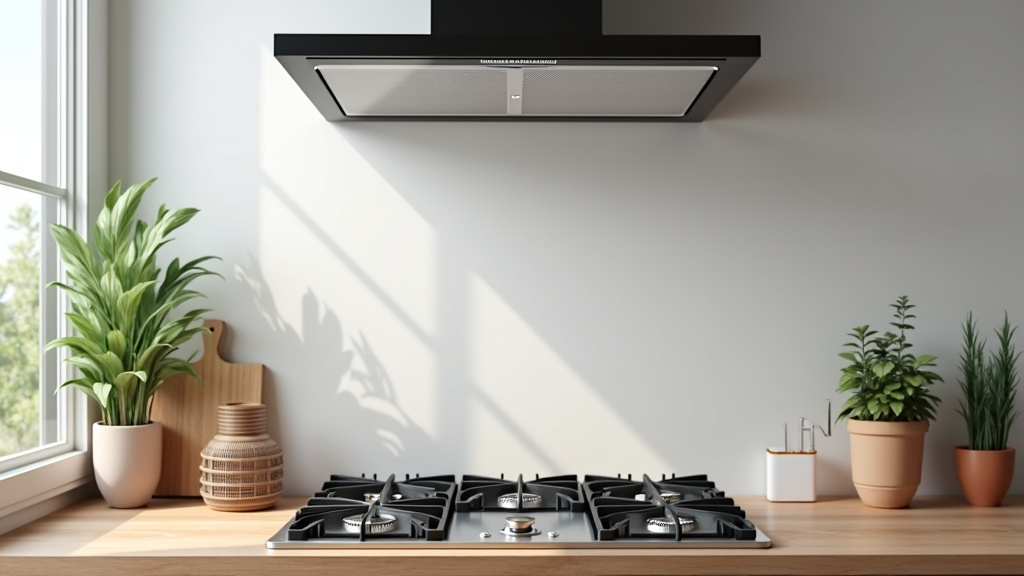
Maintaining Your Recirculating Vent Hood
To ensure your recirculating hood works effectively, regular maintenance is key. It’s not a “set it and forget it” appliance, especially the filters.
Cleaning the Grease Filters
Your mesh grease filters need regular cleaning. Depending on how often you cook and what you cook, this could be monthly or bi-monthly. Most are dishwasher safe, but always check your manufacturer’s instructions. A clean grease filter allows for better airflow.
Replacing the Charcoal Filters
This is the most critical maintenance task for recirculating hoods. Charcoal filters cannot be cleaned; they must be replaced periodically. We found that their effectiveness diminishes over time as they become saturated with absorbed odors and particles. Manufacturers typically recommend replacing them every 3 to 6 months. If you notice odors returning quickly after cooking, it’s likely time for new filters.
When to Replace Charcoal Filters
- After 3-6 months of regular use.
- If you notice cooking odors lingering longer than usual.
- If the filters appear visibly dirty or clogged.
Replacing them is usually straightforward. You typically access them from underneath the hood and they simply click or twist into place. Keep track of your replacement schedule to ensure optimal performance.
Are There Downsides to Recirculating Ventilation?
While recirculating hoods are convenient, they do have limitations you should be aware of. It’s important to have realistic expectations about what they can and cannot do.
Limited Air Purification
The primary drawback is that these systems do not remove heat or humidity from your kitchen. If you’re cooking something that generates a lot of steam, like boiling a large pot of water or steaming vegetables for an extended period, the moisture will remain in the air. This can make your kitchen feel more humid and warm. Many experts suggest that for high-moisture cooking, an exhaust hood is far superior (Cleveland Clinic).
Ongoing Filter Costs
Remember those charcoal filters? You’ll need to buy replacements regularly. Over the lifespan of the hood, these ongoing costs can add up. While the initial purchase price might be lower than a ducted system, the cost of replacement filters is a factor to consider.
Less Effective for Heavy Cooking
If you are a serious home chef who frequently fries, sears, or grills indoors, you might find that a recirculating hood doesn’t quite keep up. While it will catch grease and reduce odors, the air quality might not feel as fresh as with an exhaust system. The main goal is odor and grease reduction, not complete air scrubbing.
Conclusion
You’ve learned that recirculating kitchen ventilation is a practical choice when external venting isn’t an option. It effectively captures grease and tackles common cooking odors using a filter system. While it won’t remove kitchen heat or moisture like an exhaust hood, it offers a simpler, often more budget-friendly installation. Regular maintenance, especially replacing charcoal filters, is key to keeping it working well. Before you decide, consider your cooking habits and home setup. If a recirculating hood seems right for your needs, check your manufacturer’s guidelines for the best way to keep yours performing optimally.
Frequently Asked Questions
How often do I need to replace charcoal filters?
We found that most manufacturers recommend replacing charcoal filters every 3 to 6 months. If you notice cooking smells lingering longer, it’s a good sign they need changing. The frequency can depend on how often and what types of foods you cook.
Can recirculating hoods remove steam from cooking?
No, recirculating hoods do not remove steam or heat from your kitchen. They filter grease and odors but return the moist air back into the room. For cooking that produces a lot of steam, an exhaust hood would be more effective.
Are recirculating hoods suitable for renters?
Yes, recirculating hoods are an excellent choice for renters. They typically do not require any permanent structural changes or ductwork installation. This makes them easy to install and remove without altering the building’s structure.
How do I clean the grease filters in a recirculating hood?
Your mesh grease filters usually need cleaning monthly or bi-monthly. Many are dishwasher safe, but it’s always best to consult your user manual. Keeping these filters clean ensures better airflow and hood efficiency.
What’s the main difference between recirculating and exhaust hoods?
The main difference is where the air goes. Exhaust hoods vent cooking fumes and moisture outside your home through ductwork. Recirculating hoods filter the air and return it back into your kitchen.