What Is a Ducted Range Hood? The Everyday Guide
A ducted range hood is a kitchen appliance designed to remove cooking fumes, smoke, grease, and odors from your kitchen air. It works by pulling contaminated air up from your cooktop and then venting it out of your home through a duct system. This helps keep your kitchen air clean and fresh, preventing odors and grease buildup.
Unlike ductless models that recirculate air through filters, ducted range hoods offer a more effective way to manage kitchen air quality. Many experts say this makes them a popular choice for kitchens where intense cooking happens. A well-chosen ducted hood can make a big difference in your cooking environment.
- A ducted range hood vents cooking air outside.
- It removes smoke, grease, and odors effectively.
- This keeps your kitchen air clean and fresh.
- It’s often better for heavy cooking than ductless types.
Ready to learn more about how these powerful kitchen helpers work? Below, we’ll walk you through everything you need to know about ducted range hoods, from their basic function to how they can benefit your home.
Understanding How Ducted Range Hoods Keep Your Kitchen Fresh
So, you’re curious about how a ducted range hood actually works its magic? It’s simpler than you might think. A ducted range hood is a kitchen appliance that pulls air from above your stove. This air, often filled with smoke, grease, and cooking smells, is then sent outside your home through a system of pipes called ducts. It’s like giving your kitchen its own personal exhaust fan, but on a much grander scale. Learn more about how venting cooking fumes differs between appliance types.
Think of your kitchen as a mini-environment. When you cook, especially with high heat or strong-smelling foods, you’re creating tiny particles and vapors. A ducted hood’s job is to capture these and get them out of your living space. This process is key to maintaining a clean and pleasant kitchen atmosphere. We found that many homeowners appreciate this direct removal of pollutants.
The Mechanics: What’s Inside a Ducted Range Hood?
A ducted range hood isn’t just a simple box. It has a few key components that work together to get the job done efficiently. Understanding these parts can help you appreciate its function and make informed decisions when choosing one.
The Fan Motor: The Heart of the Operation
At the core of every ducted range hood is its fan motor. This is what creates the suction. When you turn on the hood, the motor powers a fan. This fan spins rapidly, drawing air upwards from your cooktop. The stronger the motor, the more air the hood can move, which is measured in Cubic Feet per Minute (CFM). You’ll want a motor that’s powerful enough for your cooking style and stove size.
Filters: Capturing Grease and Particles
Before the air is sent out, it usually passes through filters. These are critical for trapping grease and other particles. Ducted hoods typically use either baffle filters or mesh filters. Baffle filters are made of metal and are designed to force the air to change direction, causing grease to drop out. Mesh filters use a screen-like material. We found that metal baffle filters are generally considered more durable and easier to clean for most home cooks.
Ducting and Venting: The Exit Strategy
The most important part of a ducted system is, of course, the ductwork. This is the pathway that carries the air from your hood to the outside of your home. Proper installation is key here. The ducts should be sealed well to prevent leaks and should lead to an exterior vent hood that can open and close to keep weather out. The length and number of bends in the ductwork can affect the hood’s performance, so a shorter, straighter path is usually best.
Why Choose a Ducted Range Hood Over Other Options?
When you’re looking to improve your kitchen’s air quality, you might see both ducted and ductless range hoods. While ductless models have their place, ducted systems offer distinct advantages. We found that for many kitchens, the benefits are quite clear.
Superior Air Quality Control
The primary benefit of a ducted range hood is its ability to completely remove cooking pollutants from your home. Ductless hoods, on the other hand, filter the air and recirculate it back into the kitchen. While they can reduce odors and some grease, they don’t eliminate these elements. Health organizations often recommend improving indoor air quality by removing pollutants at the source (U.S. Environmental Protection Agency). A ducted hood does exactly that.
Effective Grease and Odor Removal
If you do a lot of high-heat cooking, frying, or stir-frying, you know how quickly grease and strong odors can fill your kitchen. Ducted hoods are much more effective at capturing and expelling these. They prevent grease from settling on your cabinets and walls, which can be a real headache to clean. They also make sure that last night’s fish dinner doesn’t linger until this afternoon. Many users report a significant difference in lingering smells.
Preventing Moisture Buildup
Cooking also releases moisture into the air. Over time, this can contribute to dampness and even mold growth in your kitchen. Ducted range hoods help vent this excess moisture outside, contributing to a healthier indoor environment. This is particularly important in smaller kitchens or those with less natural ventilation. We found that controlling humidity is an often-overlooked benefit.
Key Features to Look For in a Ducted Hood
Now that you understand the basics, let’s talk about what makes a ducted range hood a good fit for your home. It’s not just about whether it vents outside; there are other factors to consider.
Sizing Matters: Matching Hood to Stove
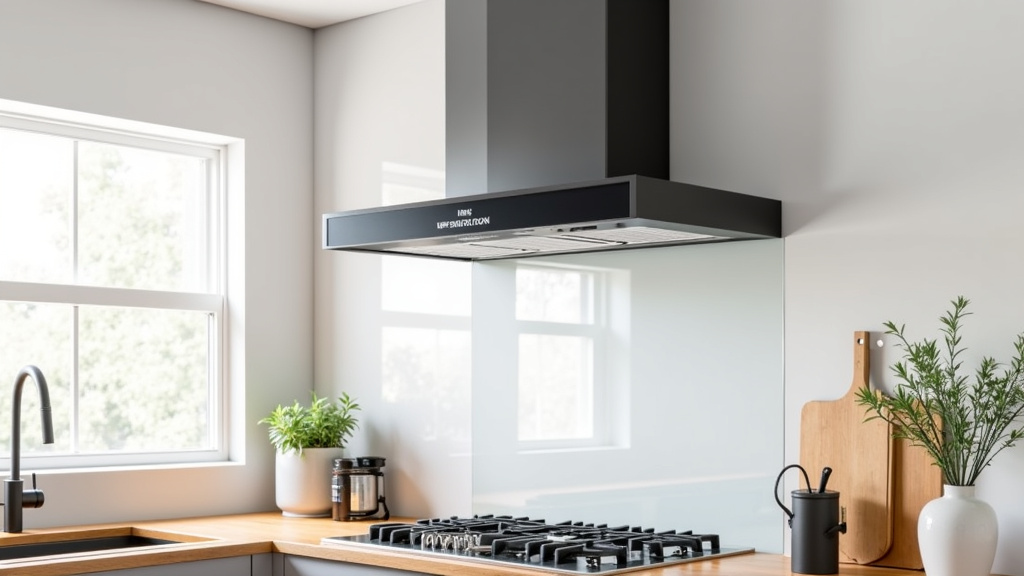
One of the first things to consider is the size of your range hood. As a general rule, the hood should be at least as wide as your cooktop, and ideally a few inches wider. This ensures it can effectively capture all the smoke and steam rising from your pots and pans. For example, a 30-inch cooktop would typically need at least a 30-inch wide hood. We found that wider coverage means better capture.
Ventilation Power (CFM): How Much Air Can It Move?
The power of a range hood is measured in CFM (Cubic Feet per Minute). This tells you how much air the hood can move. For standard electric or gas stoves, a CFM of around 400 is often recommended. However, if you have a powerful gas range or do a lot of high-heat cooking, you might need a hood with a higher CFM, potentially 600 or more. Always check the manufacturer’s recommendations for your specific cooktop type.
Noise Level (Sonos): A Quieter Kitchen Is a Happier Kitchen
Range hoods can sometimes be quite noisy. Noise is measured in sones. The lower the sone rating, the quieter the hood. For comparison, a whisper is about 0.5 sones, and a normal conversation is around 2 sones. Many modern ducted hoods are designed to be much quieter, especially on their lower settings. We found that looking for a hood with a sone rating below 4 is a good starting point for a more pleasant cooking experience.
Lighting: Illuminating Your Cooking Space
Most ducted range hoods come with built-in lighting. This is incredibly helpful for seeing what you’re doing on the stovetop, especially in kitchens with dimmer overhead lighting. Consider the type of bulbs (LEDs are energy-efficient and long-lasting) and whether the light is adjustable.
Control Type: Buttons, Dials, or Touch?
How do you interact with your hood? You’ll typically find mechanical buttons, rotary knobs, or sleek touch controls. Mechanical buttons are often the most durable and easy to use, even with greasy hands. Touch controls offer a modern look but can sometimes be less responsive. It really comes down to your personal preference and kitchen aesthetic.
Installation Considerations for Optimal Performance
Getting a ducted range hood is only half the battle; proper installation is crucial for it to work effectively and safely. It’s not always a simple DIY project, and professional help is often recommended.
Ducting Path and Materials
The path the ductwork takes matters. Shorter, straighter runs are always best for airflow. Avoid sharp bends, as these create resistance. The duct material is also important. Rigid metal ducts are generally preferred over flexible plastic or foil ducts because they offer smoother airflow and are less likely to trap grease. We found that smooth, round metal ducts offer the best performance.
Exterior Venting: The Final Exit
The air needs a place to go outside. This involves installing an exterior vent cap on your home’s wall or roof. This cap should have a damper that opens when the fan is on and closes when it’s off to prevent outside air, pests, and rain from entering. Ensuring this vent is clear and functional is a key part of the installation process.
Professional Installation is Often Recommended
Because ductwork can involve cutting into walls and ceilings, and electrical connections are sometimes needed, professional installation is often the safest and most reliable route. A qualified installer will ensure the ducting is properly sealed, vented, and meets all local building codes. This can save you a lot of potential headaches down the road. We found that for most homeowners, the peace of mind from professional installation is well worth it.
Your Ducted Range Hood Checklist: Key Takeaways
To sum things up, here’s a quick checklist to keep in mind as you consider your ducted range hood needs:
- Confirm Ducting Capability: Ensure your home can accommodate ductwork to the outside.
- Measure Your Cooktop: Choose a hood that’s at least as wide as your stove.
- Calculate Required CFM: Match the hood’s power to your cooking habits and stove type.
- Check Noise Levels: Look for a lower sone rating for a quieter kitchen.
- Consider Filter Type: Metal baffle filters are usually a good, durable choice.
- Plan for Installation: Decide if professional installation is the best option for you.
Conclusion
You now understand that a ducted range hood is a powerful tool for keeping your kitchen air clean and fresh. By actively venting cooking byproducts like smoke, grease, and odors outside your home, it offers superior air quality compared to ductless models. Remember to consider factors like CFM, noise level, and proper ducting for optimal performance.
Taking the time to choose and install the right ducted hood will make a noticeable difference in your cooking environment. Your next step should be to measure your cooktop and research models that fit your kitchen’s needs and your cooking style. You’ve got this!
Frequently Asked Questions
Do I really need a ducted range hood if I don’t cook often?
Even if you don’t cook daily, a ducted range hood can still benefit your kitchen. Occasional intense cooking, like frying or roasting, can release grease and odors that linger. Venting these out helps maintain a cleaner, more pleasant kitchen atmosphere over time.
How much more effective is a ducted hood compared to a ductless one?
Research and found that ducted hoods are significantly more effective because they physically remove pollutants from your home. Ductless hoods recirculate air after filtering, which can still leave behind trace amounts of grease and odors. For superior air quality, ducted is generally the better choice.
Can I use my ducted range hood without the ducts connected to the outside?
No, a ducted range hood is designed to vent air outside. Using it without proper ducting connected to an exterior vent will simply push cooking fumes and grease into your attic or wall spaces, which can cause damage and odor issues.
Are all ducted range hood filters washable?
Most ducted range hoods come with metal baffle or mesh filters that are designed to be washed. We found that these are typically dishwasher-safe or can be hand-washed. Always check your specific model’s manual for cleaning instructions.
How do I know what CFM rating I need for my kitchen?
The CFM (Cubic Feet per Minute) rating should generally match or exceed your cooktop’s BTU output. A common recommendation is 100 CFM for every 10,000 BTUs of your cooktop, but for powerful gas ranges, you might need 600 CFM or more. It’s always best to consult your cooktop manufacturer’s guidelines.