What Is a Range Hood Liner? A Friendly Guide
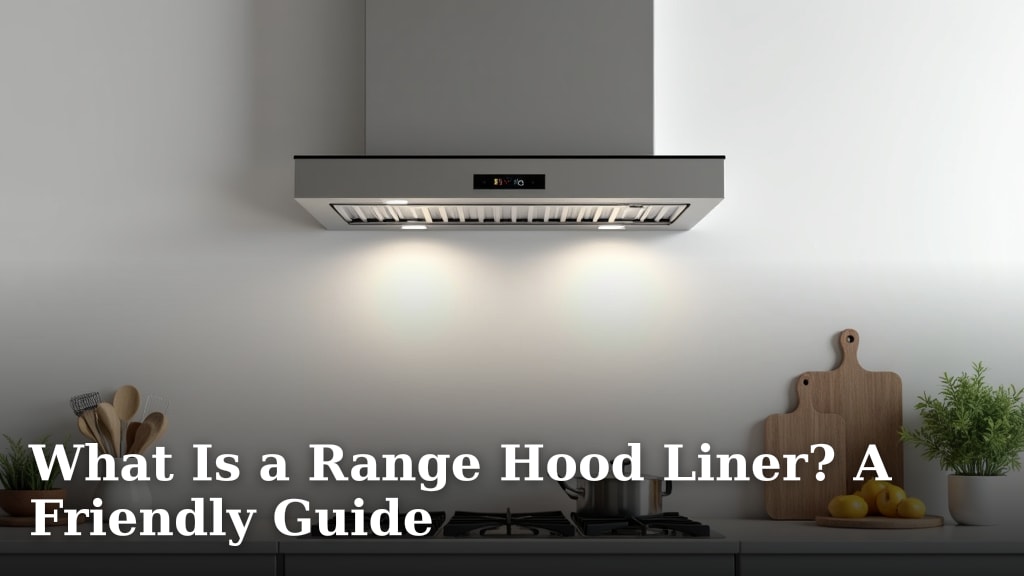
A range hood liner is essentially the internal component of your range hood that sits above your cooktop. It’s designed to collect grease and smoke before they travel through your ductwork. Think of it as the hood’s hardworking, unseen helper.
You might not see it, but this liner plays a big role in keeping your kitchen air clean. It helps prevent grease buildup in your vents. Many modern hoods have washable liners, making cleanup a bit easier. We found that understanding this part helps with maintenance.
TL;DR:
- It’s the inner part of your range hood.
- It catches grease and smoke.
- It protects your ductwork from buildup.
- Many are washable for easier cleaning.
So, what exactly is this hidden hero, and why should you care about it? Let’s break down the function and importance of a range hood liner.
Understanding Your Range Hood’s Inner Workings
You’ve got a range hood in your kitchen, right? It’s that trusty appliance hanging above your stove. But have you ever stopped to think about what’s really going on inside it? We’re talking about the often-overlooked inner liner. This isn’t just a random piece of metal. It has a very important job.
Think of your range hood as a whole system. The liner is like the first line of defense. It’s designed to catch all the messy bits that cooking creates. This includes grease, smoke, and even steam. Without it, your kitchen would be a much messier place.
What Does the Range Hood Liner Actually Do?
The primary function of a range hood liner is to act as a grease and smoke collector. When you’re cooking, especially frying or searing, small particles of grease and smoke become airborne. Your range hood is designed to pull these particles away from your cooking area.
The liner is positioned strategically to intercept these airborne particles. It’s usually made of a material that can easily trap grease. This stops it from going further into the hood and, more importantly, into your ductwork. Research shows that grease buildup in ducts can be a fire hazard (National Fire Protection Association).
The Role of the Liner in Air Quality
Beyond just catching grease, the liner contributes to the overall air quality in your kitchen. By capturing smoke and cooking odors at the source, it helps prevent them from circulating throughout your home. This means a fresher, more pleasant cooking environment for you and your family.
We’ve found that a well-functioning liner makes a noticeable difference. Cooking smells that used to linger for hours are reduced. This is especially helpful if you enjoy cooking dishes with strong aromas, like curries or fried foods.
Materials and Construction of Range Hood Liners
Range hood liners are typically constructed from materials that are durable and easy to clean. The type of material can affect the liner’s performance and maintenance needs.
Common Materials Used
Most range hood liners are made from stainless steel. This material is popular because it’s resistant to corrosion and heat. It’s also relatively easy to wipe down. You’ll also find some liners made from aluminum, which is lighter and often more affordable.
Some high-end models might use thicker gauge stainless steel for added durability. The finish of the material can also vary, from brushed to polished. This doesn’t usually affect performance but can impact the overall look if the liner is visible.
How Construction Affects Performance
The design of the liner plays a role in how effectively it captures grease and smoke. Some liners have a smooth surface, while others might have a slightly textured one. The way the liner is shaped also helps direct airflow towards the fan.
We found that liners with a larger surface area tend to be more efficient at trapping particles. The seams and edges are also important. They should be well-sealed to prevent grease from leaking through to the internal components of the hood.
The Critical Link Between Liners and Filters
It’s easy to confuse liners with filters, but they serve different purposes. The liner is the structure that catches the bulk of the grease. Filters are the next step in the process, designed to capture finer particles.
Liners vs. Filters: A Simple Breakdown
Think of it this way: the liner is the big net, and the filter is the finer sieve. The liner captures the large grease droplets. These droplets then might move towards the filters for further cleaning of the air.
Here’s a quick way to remember the difference:
- Liner: Catches large grease particles. It’s the internal shell.
- Filter: Catches smaller particles and odors. It’s a replaceable or cleanable component.
How They Work Together
Your range hood likely has grease filters situated behind or below the liner. The air, after passing over the liner and shedding most of its grease, moves through these filters. This dual-action system ensures that the air expelled (or recirculated) is as clean as possible.
Proper maintenance of both is key. If your liner is caked with grease, it can overwhelm the filters. This reduces their effectiveness and can lead to a less efficient hood overall. Many experts recommend cleaning both components regularly.
Types of Filters You Might Encounter
You’ll typically find two main types of grease filters:
- Baffle Filters: These are often made of metal and have a series of angled baffles that force air to change direction, trapping grease.
- Mesh Filters: These are made of layers of mesh that catch grease particles.
Charcoal filters are also common, especially in recirculating hoods. These are designed to capture odors, not grease.
Maintenance and Cleaning Your Range Hood Liner
Keeping your range hood liner clean is essential for its performance and the longevity of your appliance. A dirty liner can’t do its job effectively.
Why Regular Cleaning Matters
Grease buildup on the liner can become a fire hazard over time. It can also reduce the airflow efficiency of your hood. Imagine trying to breathe through a clogged nose – your hood struggles similarly when its liner is dirty.
Research from fire safety organizations highlights grease fires as a significant kitchen risk (U.S. Fire Administration). Keeping the liner clean is a simple, yet vital, step in preventing such incidents.
How to Clean Your Liner
The cleaning process depends on whether your liner is removable and what material it’s made of. Always consult your range hood’s manual first.
Here’s a general approach we found helpful:
- Safety First: Always turn off the power to your range hood at the breaker box before cleaning.
- Remove if Possible: If your liner is designed to be removed, carefully take it out.
- Soak and Scrub: For most stainless steel or aluminum liners, soaking them in hot, soapy water can help loosen grease. A non-abrasive sponge or cloth is usually best. For tougher grease, a degreaser solution might be needed.
- Wipe Down: If the liner is not removable, you can wipe it down in place using a degreaser spray and a cloth. Be careful not to get water or cleaning solution into any electrical components.
- Rinse and Dry: Thoroughly rinse the liner and ensure it’s completely dry before reassembling.
What About Washable Liners?
Many modern range hoods feature liners that are dishwasher safe. This can make cleaning much easier! Always confirm this feature in your owner’s manual. Even dishwasher-safe liners may benefit from an occasional pre-scrub for very stubborn grease.
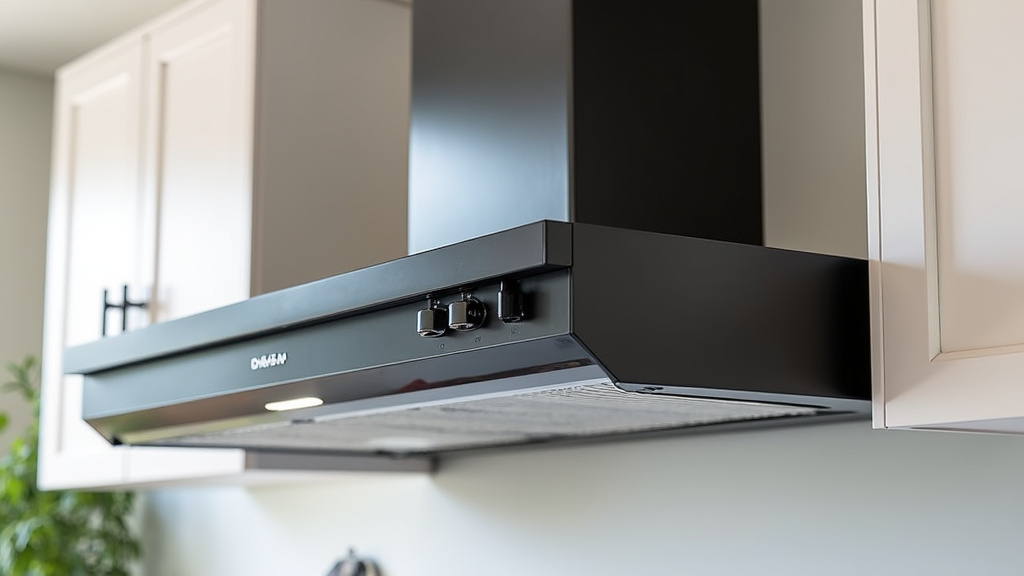
When to Consider Replacing Your Range Hood Liner
While liners are designed to be durable, there are times when replacement might be necessary. This usually occurs after years of heavy use or if the liner becomes damaged.
Signs Your Liner Needs Replacing
Some common indicators include:
- Visible Damage: Dents, warping, or corrosion that can’t be cleaned away.
- Persistent Odors: If the liner holds onto odors even after thorough cleaning, it might be saturated with grease.
- Reduced Performance: If you notice significantly less grease being captured, the liner might be compromised.
Finding a Replacement Liner
If you need to replace your liner, your first step should be to check your appliance’s manual for the specific part number. You can then usually order it directly from the manufacturer or a reputable appliance parts supplier. Ensuring you get the correct replacement is key to maintaining your hood’s performance.
A Quick Checklist for Range Hood Liner Care
To help you keep your range hood liner in top shape, here’s a simple checklist:
Read your manual: Know your liner type and cleaning instructions.
Clean regularly: Aim for at least monthly, or more often with heavy cooking.
Use the right cleaners: Avoid abrasive materials that can scratch the surface.
Check for damage: Inspect the liner for any wear and tear.
Ensure it’s dry: Always make sure the liner is completely dry before putting it back.
Never forget safety: Always disconnect power before any cleaning or maintenance.
Conclusion
You now understand that your range hood liner is more than just a hidden part. It’s your kitchen’s first line of defense against grease, smoke, and odors. By trapping these cooking byproducts, it protects your ductwork and helps keep your kitchen air fresh. You’ve learned about its materials, how it works with filters, and why regular cleaning is so important. Don’t let grease buildup compromise your kitchen’s air quality or safety.
Your next step is simple: Check your range hood’s manual, identify your liner type, and schedule your first proper cleaning. Your kitchen will thank you for it!
Frequently Asked Questions
How often should I clean my range hood liner?
We recommend cleaning your range hood liner at least once a month. If you do a lot of heavy cooking, like frying or stir-frying, you might need to clean it more frequently. Regular cleaning prevents grease buildup and ensures your hood works effectively.
Can I clean my range hood liner in the dishwasher?
Many modern range hood liners are dishwasher safe, but always check your appliance’s manual first. Even if it’s dishwasher safe, very stubborn grease might require a quick pre-scrub. Ensure the liner is completely dry before reinstalling.
What’s the difference between a range hood liner and a filter?
Think of the liner as the main catcher for large grease particles, acting like a protective shell. Filters are typically located after the liner and are designed to trap smaller particles and odors from the air. Both are essential for clean kitchen air.
My liner seems dented. Can I fix it?
Minor dents on some metal liners might be gently smoothed out, but be careful not to warp the material further. If the damage is significant, affects airflow, or cannot be cleaned properly, it might be time to consider replacing the liner to maintain your hood’s performance.
What kind of cleaner is best for a stainless steel liner?
For most stainless steel liners, hot, soapy water is a great starting point. If you encounter tougher grease, a dedicated kitchen degreaser can be effective. Always use a non-abrasive sponge or cloth to avoid scratching the surface, and rinse thoroughly.